Voyager 1 Passes One Light-Day From Earth While Its Science Data Stays Silent
The 1977 probe is now 25.9 billion km out, a full day of light-travel away, and NASA confirmed it by carrier signal alone because no science or engineering data has arrived since 14 November.
Thursday, November 19, 2026/2 min read
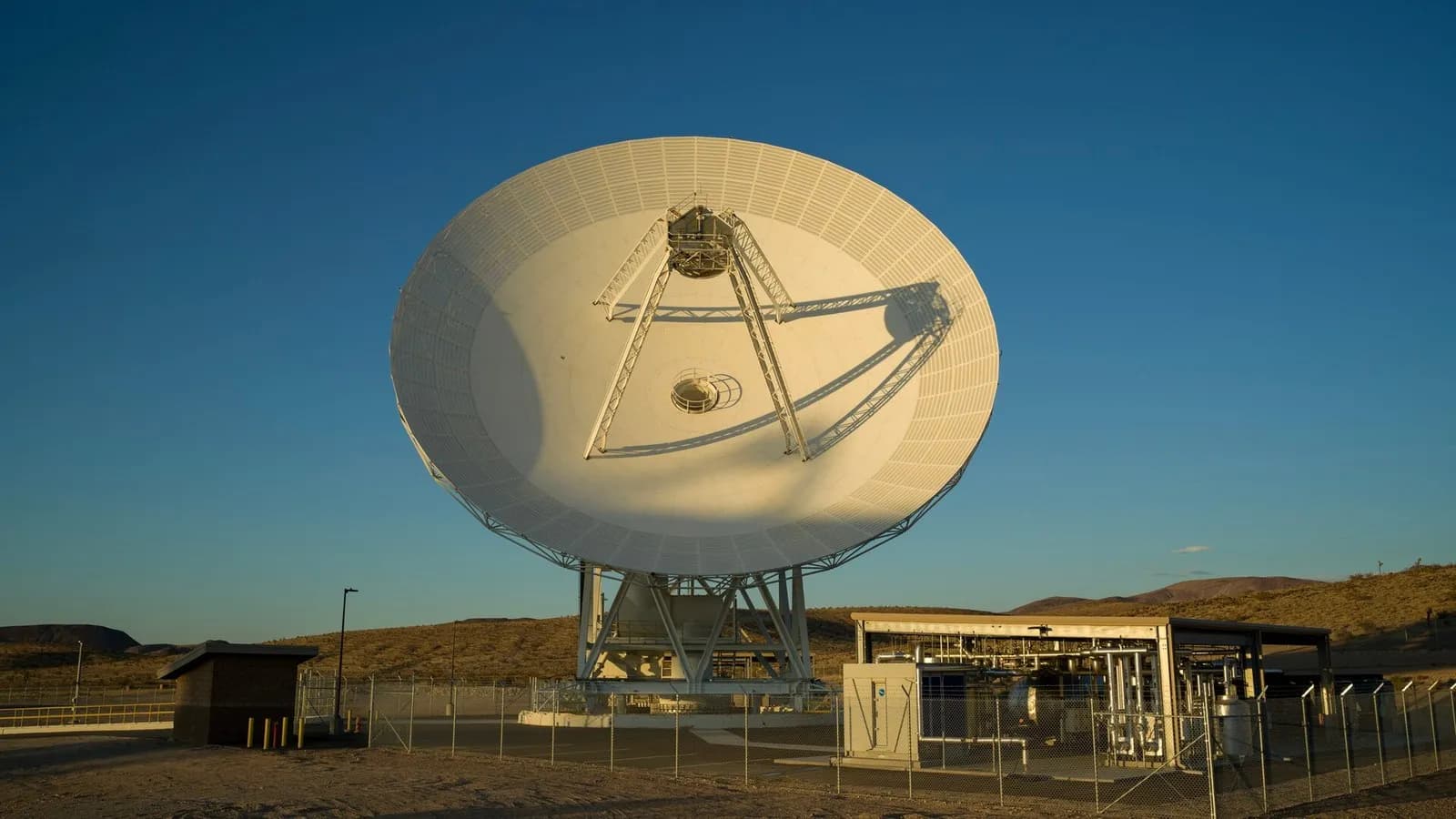
Voyager 1 crossed the line on Wednesday, and Earth only heard back on Thursday. NASA says the probe reached one light-day from home at 10:16 UTC on 18 November, then waited out the 24 hours a radio call needs to reach it before flight controllers could hear a reply. It is the first human-made object to get that far.
There is a catch that tempers the celebration. The spacecraft has returned no science or engineering data since Saturday 14 November, and the team confirmed the milestone from its carrier signal and trajectory calculations instead.
How far is one light-day, and how did NASA confirm it?
A light-day is about 25.9 billion km (16.1 billion miles), according to NASA's release. The agency puts Voyager 1's speed at about 61,155 km/h, and says it has travelled for more than 49 years. For comparison, sunlight reaches the Moon in about 1.3 seconds and Neptune in about four hours.
The probe is still sending a carrier signal, which is the bare radio tone with no information on it. NASA says engineers used that tone together with trajectory calculations to pin down the distance. Our earlier report explained how the world was invited to flash the probe's VGR call sign on Tuesday night. The reply to that call has now come back, and the Associated Press reports that controllers received it on Thursday.
Why has Voyager 1 stopped sending data?
NASA says the team is analysing the problem. Space.com reports that without frame sync, the ground cannot read science or engineering data even though a very strong carrier signal shows the dish is pointed at Earth. Project manager Suzanne Dodd described the anomaly as not unseen before, and the team is confident the problem is temporary.
Distance makes every diagnosis slow. A command takes about a day to arrive and the answer another day to return, so each test costs two days. NASA adds that the team listens to Voyager 1 daily and sends commands weekly.
How long can the Voyagers keep going?
The power supply sets the clock. NASA says each probe's roughly 50-year-old radioisotope generator loses about 4 watts a year. Earlier this year engineers switched off three devices and replaced them with lower-power alternatives, a step the agency describes as carrying risk, and it expects the science instruments to keep running until at least the probes' 50th launch anniversaries next summer.
NASA's Heliophysics director Joe Westlake called a light-day "a singular feat for a spacecraft". Voyager 2, which crossed into interstellar space in 2018, will not reach the same mark until 2035, according to the AP.
The next test comes within days. If the team restores frame sync, Voyager 1 resumes its measurements of the space between the stars. If not, the milestone will have been confirmed by the thinnest signal a spacecraft can send.
Published in The Outspoken Digest
Editorial desk
Outspoken Digest Science DeskReports for The Outspoken Digest across Technology, Latest Trends, Health.
Newsletter
The Digest, in your inbox
One edition, sent when it is ready. No noise, and your address is never passed on.
Read Next
More Technology →
OpenAI Launches ChatGPT for Accounting With Seven Finance Partners and Human Sign-Off
Nov 19, 2026/2 min read
Google Launches Gemini 4 Neon at $3 per Million Input Tokens, Between Carbon and Hydrogen
Nov 18, 2026/2 min read
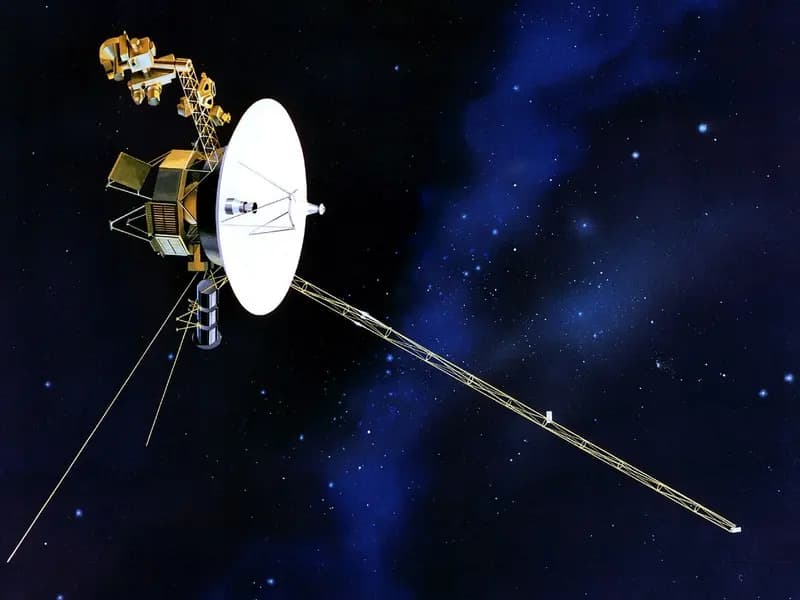
Voyager 1 Is Two Days From a Light-Day: NASA Says It Reaches the Milestone on Wednesday and Asks the World to Flash VGR
Nov 16, 2026/2 min read
SpaceX Catches a Starship Upper Stage From Orbit for the First Time, but Loses the Booster
Nov 14, 2026/2 min read