Alphabet Closes 12.6% Lower in Its Worst Day Ever, but Most Stocks Rise as the Nasdaq Falls 1.4%
The record Alphabet loss dragged the Nasdaq down, yet the equal-weight index and small caps gained as health care led, with Amazon and Intel already sliding once the market closed.
Thursday, October 29, 2026/2 min read
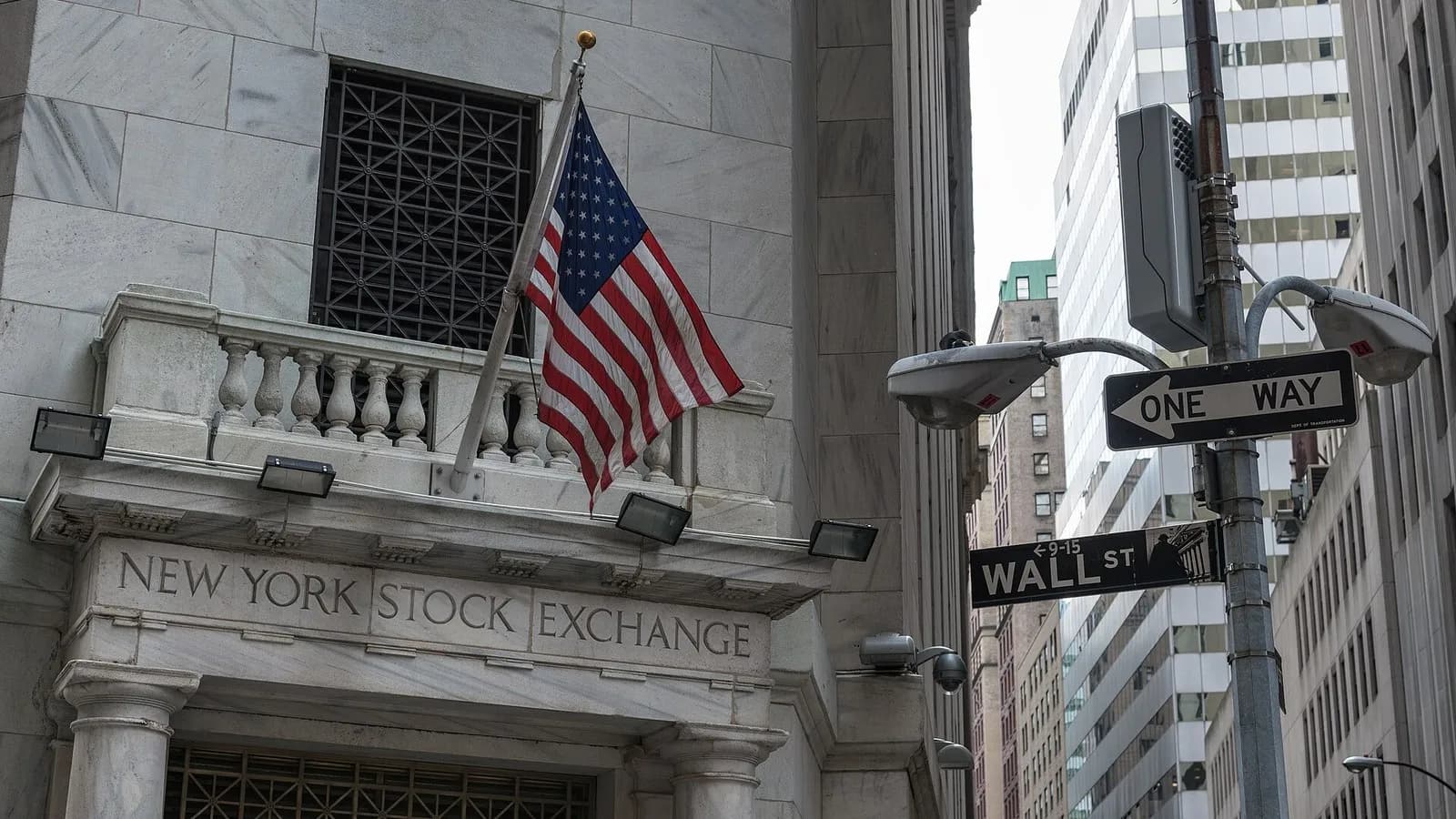
Alphabet closed Thursday 12.6 percent lower, the worst day in its history as a public company, and still most of Wall Street went home happy. The Class A shares ended at $283.82, erasing roughly $500 billion of market value, according to NBC News. That is the second-largest one-day wipeout on record, behind only Nvidia's $589 billion drop in January 2025.
The damage fell on the Nasdaq Composite, which lost 1.38 percent, while the S&P 500 slipped 0.30 percent and the Dow gave up 0.25 percent, a closing note from Capp Notes showed. It snapped a three-day winning streak. Our morning report caught the slide while it was still forming; by the bell it had held.
Why did Alphabet fall so hard?
The numbers behind the quarter were ugly in the one place investors are watching hardest. Free cash flow came in at negative $9.07 billion against about $2.70 billion expected, a shortfall IBTimes set out in detail, while Capp Notes called the quarter a double miss. Search monetisation inside the company's AI Mode was the weak spot named by its chief business officer, Philipp Schindler, and the worry on the Street was that the AI build-out is consuming cash faster than it returns it.
Caterpillar added to the gloom, falling 9.2 percent to become the Dow's second-worst stock after Alphabet, NBC said.
How did the rest of the market do?
Better than the headline indexes suggest. The equal-weight S&P 500 fund rose 1.20 percent, so most stocks actually gained, and the small-cap Russell 2000 climbed about 1 percent, according to Capp Notes. Health care led the sectors with a 2.40 percent gain, followed by real estate at 2.21 percent and consumer staples at 1.54 percent. Technology fell 1.18 percent and communication services 1.87 percent.
The economic backdrop helped the broad market. September inflation matched forecasts, with the PCE price index up 3.6 percent from a year earlier and core PCE at 3.1 percent, IBTimes said, and traders trimmed the odds of a December Fed rate hike to 79.6 percent from 84.2 percent a day earlier. Third-quarter growth had already come in at a 3.4 percent pace, as we reported earlier today.
What is happening after the bell?
Two more big names were sliding once the session ended. Amazon, which reported after the close, was down roughly 6 percent in extended trading and Intel about 17 percent, both figures from Capp Notes, while investingLive had them down 6.4 percent and 16.6 percent at 4:50 p.m. in New York, after deeper early drops. Nasdaq futures were about 1.2 percent lower.
That sets up an uncomfortable Friday for the AI trade. If Amazon and Intel hold their losses, three companies at the centre of the computing build-out will have been punished in a single day, two of them over what the build-out costs. The test is whether the broad rotation into health care, real estate and small caps continues, or whether the Nasdaq's weakness finally pulls the rest of the market down with it.
Published in The Outspoken Digest
Editorial desk
Outspoken Digest Markets DeskReports for The Outspoken Digest across Business, Crypto.
Newsletter
The Digest, in your inbox
One edition, sent when it is ready. No noise, and your address is never passed on.
Read Next
More Business →
Kospi Sinks 4.9% and the Nikkei Falls 2.5% as Amazon and Intel Revive AI Cost Fears and Treasury Yields Slip Below 5%
Oct 30, 2026/2 min read
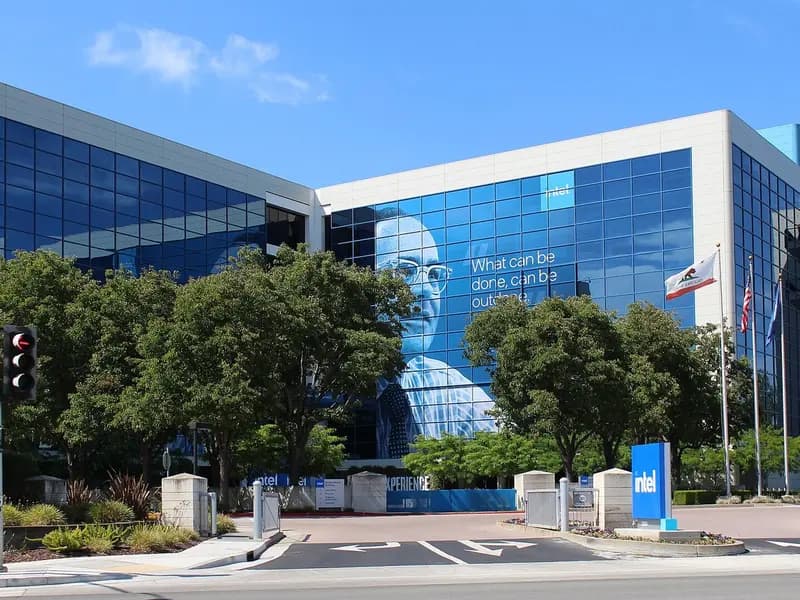
Intel Plunges After Hours as a Weak Fourth-Quarter Forecast Overshadows a 78% Jump in Data Centre Sales
Oct 29, 2026/2 min read

Amazon Stock Slides After Hours Despite AWS Growing 39% as Free Cash Flow Turns to a $42 Billion Outflow
Oct 29, 2026/2 min read

Alphabet Heads for Its Worst Day on Record, Shedding About $500 Billion, as Nasdaq Slides
Oct 29, 2026/2 min read