Wall Street Ends Mixed Near Records as Chip Stocks Slide, Oil Climbs and Traders Await Wednesday's Inflation Report
The Dow gained about 196 points on a day when the bond market was shut for the holiday, while semiconductors fell and Brent topped $106 after the Riyadh airport strikes.
Tuesday, October 13, 2026/2 min read
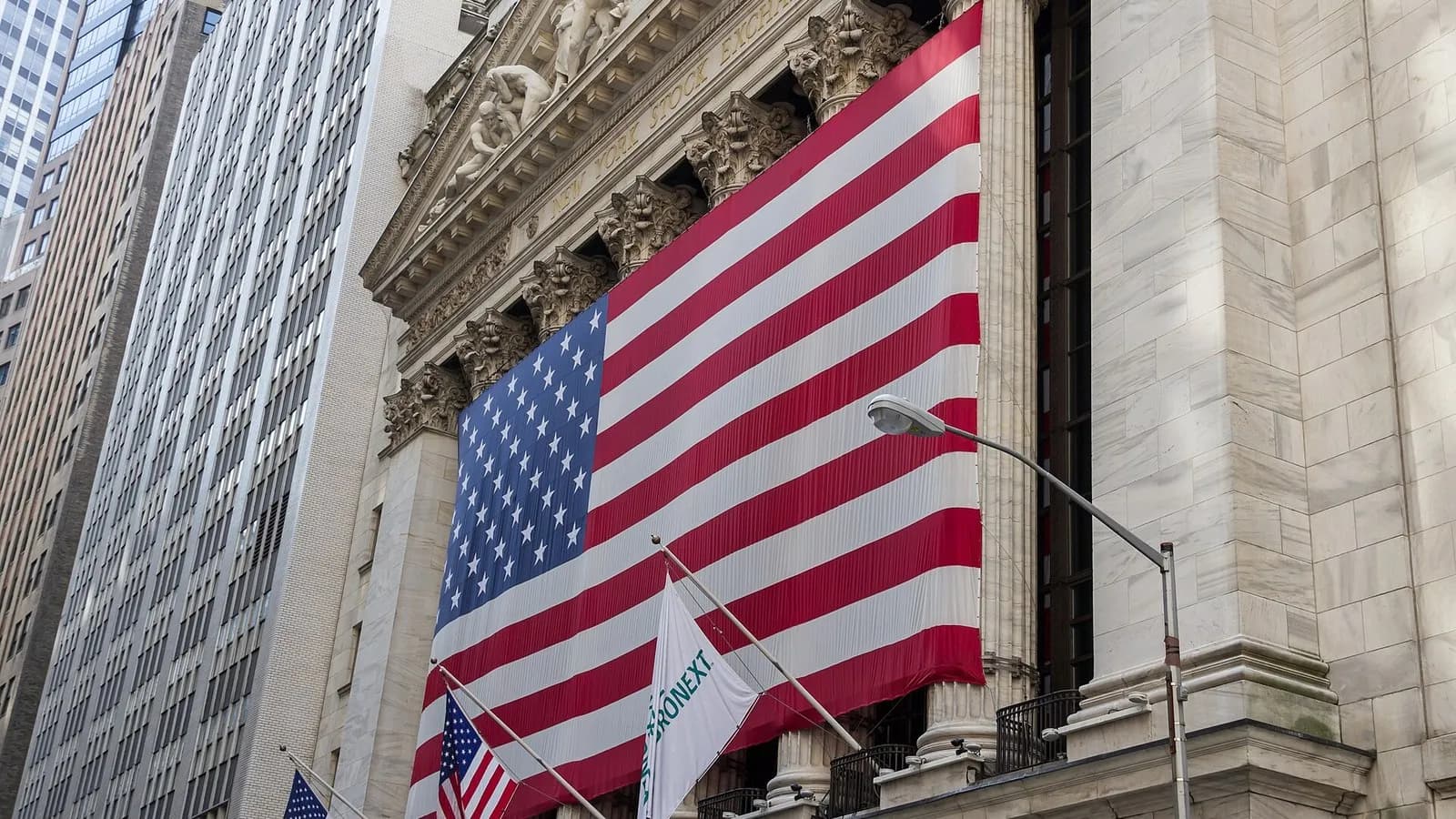
It was a quiet holiday session with a nervous undertone. US stocks closed mixed on Monday, with the Dow Jones Industrial Average up and the Nasdaq down, while Treasury trading was shut for Columbus Day and the oil price kept pulling the market's attention to the Gulf.
The S&P 500 fell 4.30 points, or 0.1 percent, to 7,807.24, the Dow rose 195.60 points, or 0.4 percent, to 51,850.55, and the Nasdaq Composite fell 120.27 points, or 0.4 percent, to 27,245.90, according to the Associated Press tally. The S&P 500 is up 14 percent this year and sits close to last week's record. The Nasdaq is up 17.2 percent for the year, the Dow 7.9 percent, and the small-company Russell 2000 slipped 0.4 percent to 2,794.48.
Why did chip stocks fall on Monday?
Technology was the weakest sector. In afternoon trade the Philadelphia semiconductor index was down about 2.6 percent and tech overall about 1 percent, according to Reuters via MarketScreener. Energy was the best sector, up 1.4 percent at that point. Microsoft rose 0.9 percent and its market value passed $4 trillion for the first time in a year. Chipotle fell as much as about 5 percent, a move we cover in our report on Starbucks ruling out a bid.
What is oil doing to the market?
US crude rose more than 2 percent and Brent traded above $106 a barrel after the deadly strikes on Riyadh's international airport, per the Reuters report. With bonds closed, IBTimes noted that thinner Treasury signals can make equity moves look bigger than they mean.
That matters because the Treasury market is where the inflation worry lives. The 10-year yield rose above 5.25 percent at one point, its highest since 2002, IBTimes reported, citing MarketWatch, and we followed the run to a 24-year high and Governor Waller's warning last week. On Monday Cleveland Fed President Beth Hammack said the Fed should move relatively quickly toward a restrictive stance. Traders put the odds of a hike this month at only about 19 percent, according to CME FedWatch figures in the Reuters report.
The holiday itself shaped the day. The Securities Industry and Financial Markets Association recommended that most bond desks close, though the guidance is advisory, and Federal Reserve Banks were shut, which is why the usual rate signals were muted. That left equities to trade the oil and chip headlines without the usual check from Treasuries.
What is on the calendar this week?
Goldman Sachs, Citigroup and JPMorgan Chase report on Tuesday, and LSEG data show S&P 500 third-quarter earnings expected to jump 30.6 percent. The September consumer price index follows on Wednesday at 8:30 a.m. Eastern. A hot number would feed the case for a December hike, a cooler one would give the 10-year some room to fall, and either way the bond market will be open to say so.
Published in The Outspoken Digest
Editorial desk
Outspoken Digest Markets DeskReports for The Outspoken Digest across Business, Crypto.
Newsletter
The Digest, in your inbox
One edition, sent when it is ready. No noise, and your address is never passed on.
Read Next
More Business →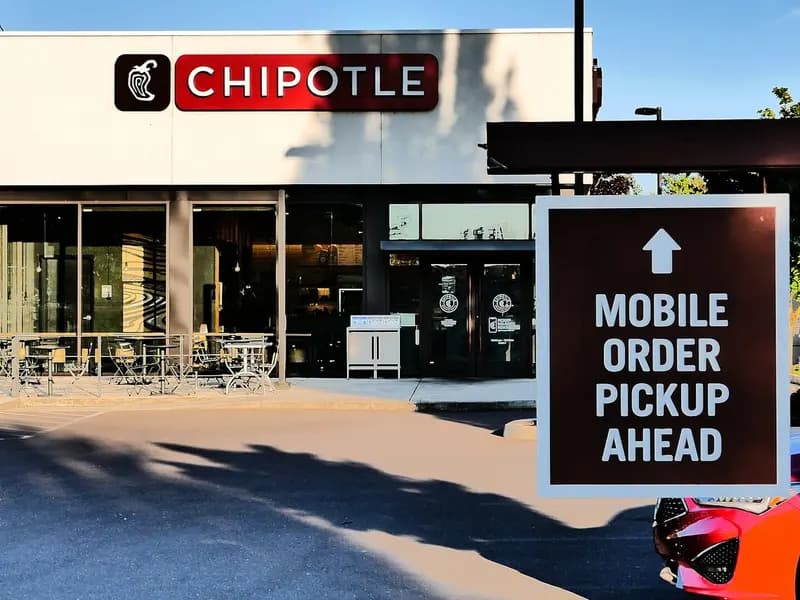
Starbucks Says It Is Not Buying Chipotle, Ending a Four-Day Takeover Story and Costing Chipotle About 4 Percent
Oct 13, 2026/2 min read

Robert Hall and Michael Woodford Win the Nobel Prize in Economics for Models That Steady Economies
Oct 12, 2026/2 min read
Nasdaq Falls 1.25% as the FT Puts OpenAI's Annualized Revenue Near $50 Billion, Not $70 Billion
Oct 9, 2026/2 min read
Treasury Yields Hit a 24-Year High, Waller Says More Fed Rises Are Coming, and the 30-Year Auction Clears at 5.618%
Oct 9, 2026/2 min read