Warak Enab Lebanese Stuffed Grape Leaves: Tender and Aromatic
Tender grape leaves stuffed with spiced rice and beef, then simmered in a lemony broth. A patient dish that rewards slow cooking and care.
Thursday, January 30, 2025/4 min read
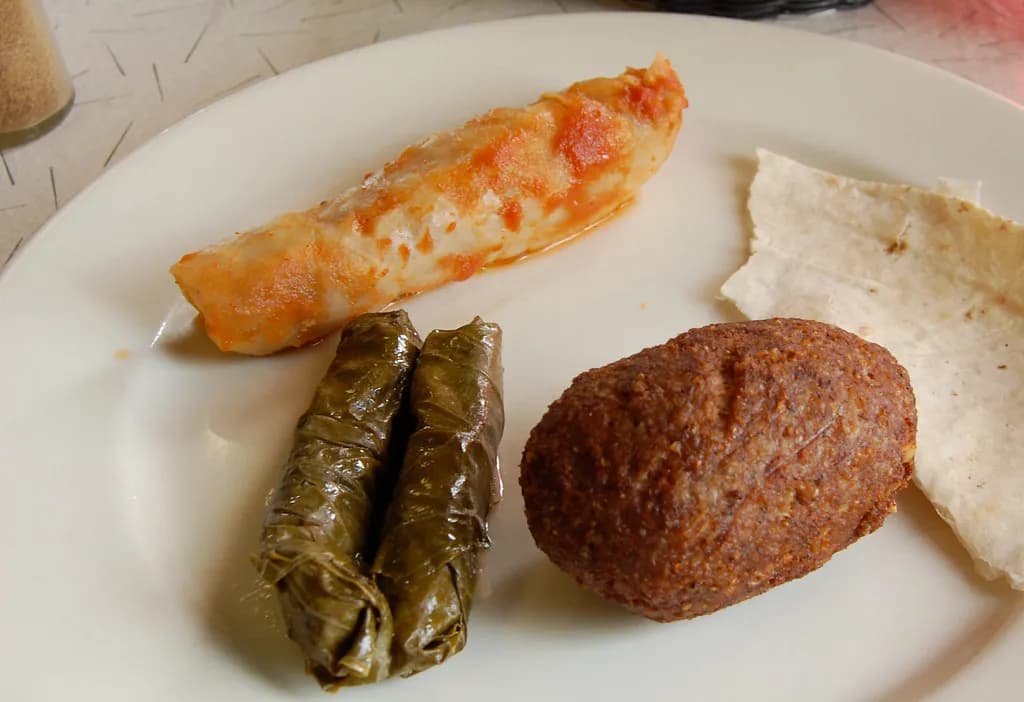
Warak enab teaches patience. The name means "leaves of grapes" in Arabic, and the dish is one of those laborious preparations that emerges from a love of cooking and a willingness to spend time on something beautiful. Each leaf must be chosen, blanched until pliable, then filled with a precise amount of filling, rolled tightly, folded in to seal, and arranged in rows. The work is meditative, almost hypnotic. And then comes the waiting: the slow simmer in lemony broth, the steam rising from the pot, the scent of herbs and spices building as the rice absorbs the broth and the leaves become completely tender.
Warak enab is a Lebanese dish of spiced rice and beef rolled in grape leaves and simmered in a lemony broth, with "warak enab" meaning "leaves of grapes" and traditionally stuffed with rice and meat or rice and vegetables. The traditional version features tender grape leaves stuffed with a flavorful mixture of ground beef, aromatic spices, and short-grain rice, often with lamb chops or ribs simmered along with the stuffed grape leaves in a lemony broth. This is not fast food. This is the food of family gatherings, of people with time to spend and attention to give to something they love.
The appeal of warak enab lies in the contrast between the delicate leaf, the fragrant filling, and the bright, tart broth. Each roll is a complete package, a small present containing herbs, spice, meat, and rice all in perfect proportion. Served warm or at room temperature, it is both a starting point for a meal and a complete course unto itself.
Ingredients
Serves 4 to 6 as an appetizer or light meal. Prep time: 40 minutes. Cooking time: 45 minutes to 1 hour.
- 1 jar (or 250 g) preserved grape leaves, rinsed and drained
- 300 g ground beef
- 100 g short-grain white rice
- 1 medium yellow onion, finely minced
- 4 cloves garlic, minced
- 30 g fresh mint, finely chopped
- 20 g fresh parsley, finely chopped
- 60 ml olive oil, divided
- 1 teaspoon cumin
- 0.5 teaspoon allspice
- 0.5 teaspoon ground coriander
- 0.5 teaspoon black pepper
- 1 teaspoon salt, divided
- 300 ml chicken or vegetable stock
- 80 ml fresh lemon juice (about 2 large lemons)
- 1 teaspoon paprika (optional)
Method
- If using jarred grape leaves, drain them and rinse gently under cool water to remove brine. Pat dry with paper towels. If using fresh grape leaves, blanch them in boiling water for 2 to 3 minutes until pliable, then drain and pat dry.
- In a large bowl, combine the ground beef, uncooked rice, minced onion, minced garlic, fresh mint, fresh parsley, 30 ml of the olive oil, cumin, allspice, coriander, black pepper, and 0.5 teaspoon of salt. Mix gently but thoroughly with your hands until the ingredients are evenly distributed.
- Lay a grape leaf shiny side down on a clean work surface. Place about 1 tablespoon of filling (slightly less than a walnut-sized amount) in the center of the leaf, below the stem. Fold the bottom of the leaf over the filling, then fold in the sides, and roll tightly away from you, creating a small package about the size of your pinky finger. The leaf should be snug enough to hold together but not so tight that it bursts during cooking.
- Repeat with the remaining grape leaves and filling, arranging the rolls seam-side down in a single layer in a Dutch oven or heavy-bottomed pot.
- In a small bowl, whisk together the chicken stock, lemon juice, remaining 30 ml of olive oil, remaining 0.5 teaspoon of salt, and paprika if using. Pour this liquid over the grape leaf rolls. The rolls should be mostly submerged; add a bit more water if necessary.
- Cover the pot with a lid and bring to a simmer over medium heat. Once simmering, reduce heat to low and cook gently for 45 minutes to 1 hour. The rice should be completely cooked and tender, and the broth should have reduced slightly. Do not stir; the rolls are delicate.
- Remove from heat and let rest for 5 minutes. Serve warm or at room temperature, with some of the cooking broth spooned over each serving.
Make-Ahead and Storage
Warak enab can be prepared up to 1 day ahead and stored in the refrigerator. To serve, reheat gently in the broth over low heat for 15 to 20 minutes. The rolls can also be frozen for up to 3 months; thaw overnight in the refrigerator before reheating. Some cooks add lamb chops or lamb ribs to the pot with the grape leaf rolls, allowing them to braise together for a richer, more substantial dish. Warak enab is traditionally served with fresh mint leaves on the side and a simple salad of tomatoes, cucumbers, and onions. It makes excellent party food, as it can be prepared ahead and improves as it sits.
Warak enab reminds us that the most rewarding dishes are often those that demand our patience and attention, offering their best rewards only to those willing to slow down and care.
Published in The Outspoken Digest
Editorial desk
Outspoken Digest Food DeskCooking, ingredients, restaurants and the economics of what ends up on the table.
Newsletter
The Digest, in your inbox
One edition, sent when it is ready. No noise, and your address is never passed on.
Read Next
More Recipes →
Swangy Tamarind Glazed Chicken Wings for the Flavour Replacing Swicy on Fast Food Menus
Sep 29, 2026/3 min read

Baked Apple Cider Doughnuts for a Cider Season That Peaked Earlier Than the Calendar Says
Sep 29, 2026/3 min read
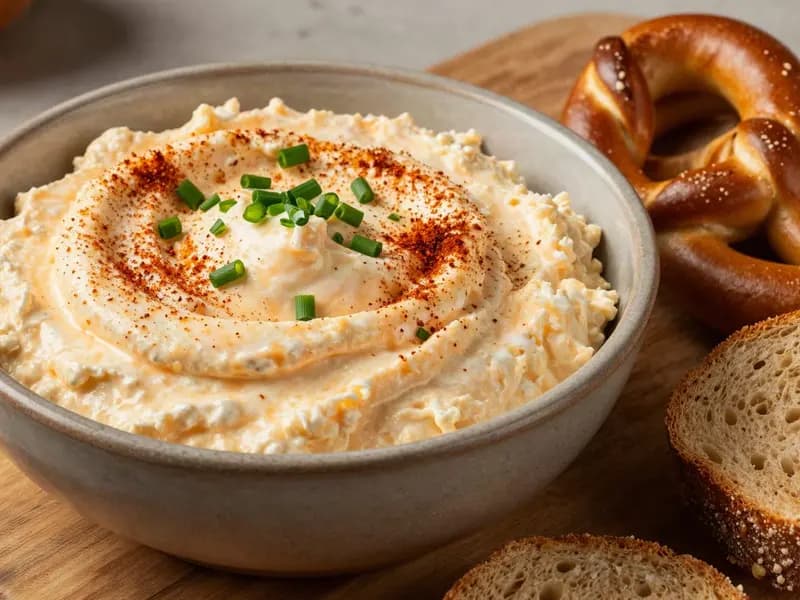
An Obatzda Bavarian Beer Cheese Dip for the Final Stretch of Oktoberfest 2026
Sep 29, 2026/3 min read