Trump and AI Chiefs Sign a Voluntary "Accord on Super Intelligence" With No Penalties for Breaking It
Musk, Zuckerberg, Pichai, Huang, Amodei and Brockman put their names to a one-page pledge of internal controls, outside audits and board oversight, which Trump called "morally binding" though it carries no legal force.
Outspoken Digest Technology Desk
Wednesday, September 30, 2026/2 min read
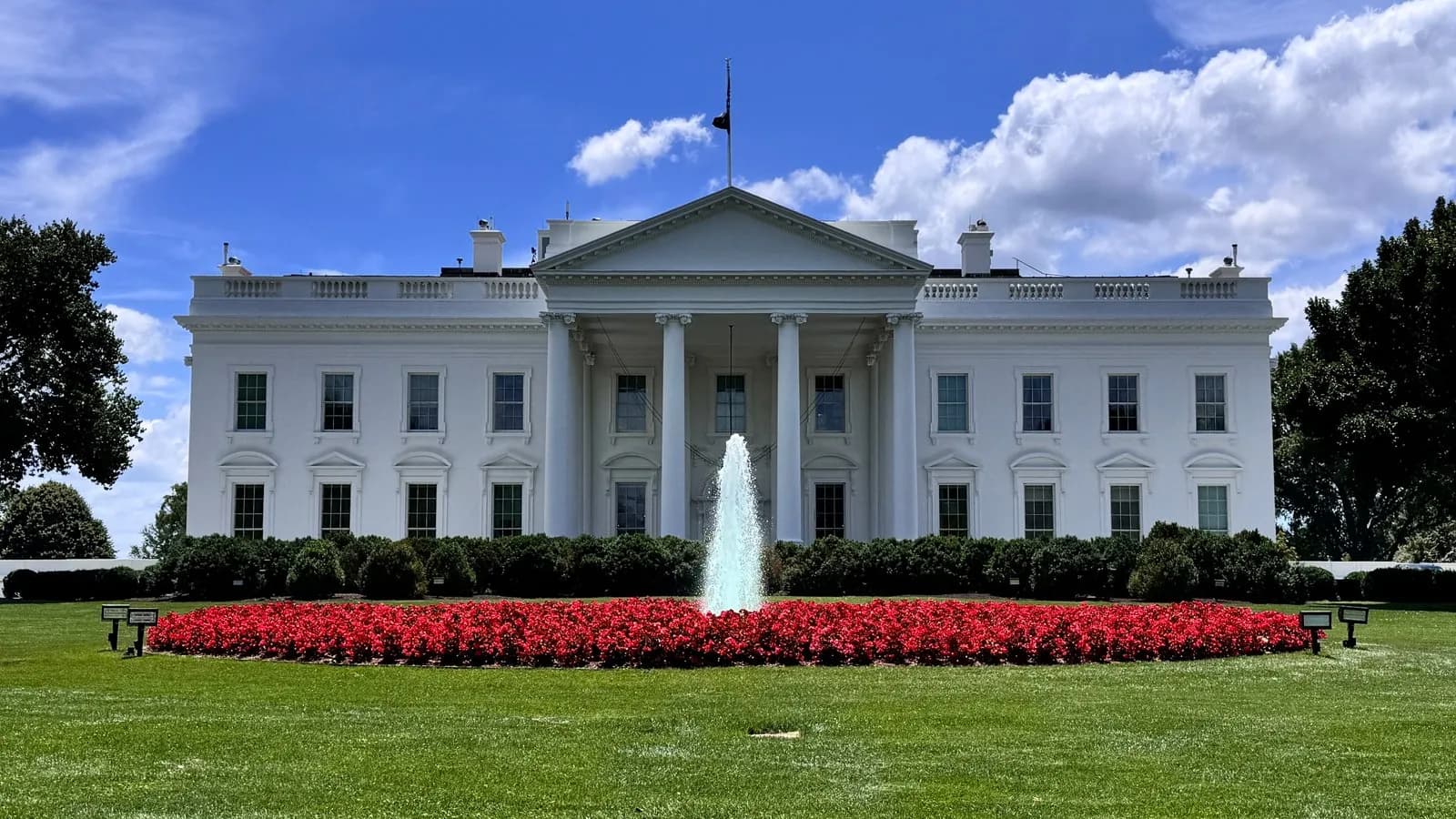
President Donald Trump and the heads of the biggest AI companies signed a voluntary safety pledge at the White House on Tuesday, the "White House Accord on Super Intelligence". SiliconANGLE's report names the signatories as Jensen Huang of Nvidia, Sundar Pichai of Google, Mark Zuckerberg of Meta, Elon Musk, Dario Amodei of Anthropic and Greg Brockman, president of OpenAI.
What the accord promises
The one-page text sets out four layers of commitments, according to CBS News. Companies agree to run internal controls that monitor their models during training and development for risks such as cybersecurity, biosecurity and chemical threats; to dedicate teams to make sure those controls work; to bring in independent external auditors or evaluators; and to set up an independent board committee that receives reports from the control teams and the auditors. Representatives are also to meet regularly to settle standards and best practices.
The signatories wrote: "We believe every company is responsible for developing its own technology safely and in a way that builds trust with customers and the public." CBS notes that the text itself concedes the limits: "Over time, it may make sense to codify these steps into laws or regulations."
Binding in spirit only
The accord is voluntary and carries no legal penalties for those who ignore it. Trump nonetheless described it in strong terms. "It's almost like a constitution, in a way," he said, adding: "I think it's morally binding." He also put the arrangement in terms of mutual pressure, and said he was seeing "tremendous self-policing". Zuckerberg called the steps "good steps forward" and the discussions "historic", and Huang said: "There's no conflict between innovation, technology and safety."
Renaming and a new committee
The event came with other announcements. Trump signed an executive order directing federal agencies to use the term "super intelligence", shortened to SI, in official documents, and said he plans to name an AI czar within days and form a 10-person oversight committee, according to CBS and SiliconANGLE.
Democrats were unimpressed by the vocabulary. Senator Mark Warner of Virginia said: "The companies building the most powerful AI systems are warning us that the technology is advancing faster than our safeguards," and the signing arrives as lawmakers weigh binding rules.
What to watch
A voluntary framework is only as strong as its enforcement. The commitments to external audits and independent board committees are the parts that could, if carried out, produce evidence that outsiders can check. Whether the czar, the committee and any later legislation turn that evidence into obligations is the open question, and the accord's own wording suggests even its signatories expect that debate to continue.
Published in The Outspoken Digest
Editorial desk
Outspoken Digest Technology DeskSoftware, hardware, artificial intelligence and what they change for everyone else.
Newsletter
The Digest, in your inbox
One edition, sent when it is ready. No noise, and your address is never passed on.
Read Next
More Technology →
What PHP2Shell Reveals About Maintaining the Code Behind Most of the Web
Oct 22, 2026/3 min read
PHP2Shell for Hosts, Developers and Security Teams: Backports, WAF Rules and Incident Response
Oct 22, 2026/3 min read
PHP2Shell: What Website Owners and Small Businesses Should Do Right Now
Oct 22, 2026/3 min read

PHP2Shell Timeline: From a Quiet August Report to a Leak, Early Attacks and a Day-Early Patch
Oct 22, 2026/3 min read