WHO Says Diet and Exercise Come First and Children Under 10 Should Not Get Weight-Loss Drugs or Surgery
The agency's first global guideline on child obesity backs structured eating, activity and behaviour programmes, and allows medicines for teenagers only after those have failed.
Wednesday, October 7, 2026/3 min read
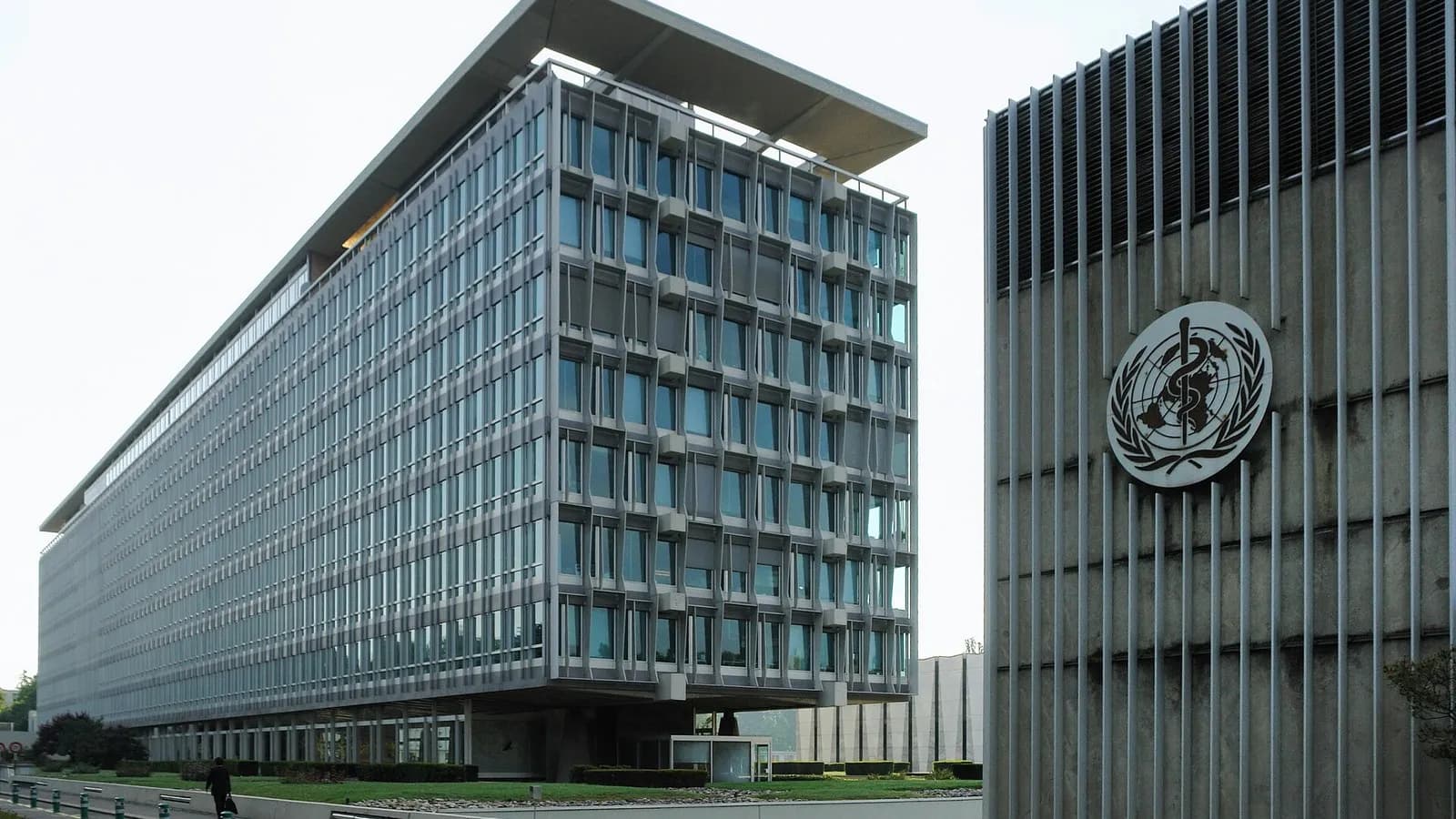
The World Health Organization has told health systems that the foundation of treating a child with obesity is not a drug or an operation. On Wednesday it published its first global guideline on obesity in children and adolescents, and its clearest message is for the youngest: for children aged nine and under, no weight-loss medicines, no bariatric surgery and no weight-loss devices.
The guidance arrives as GLP-1 drugs, the injectable medicines that began as diabetes treatments, spread into paediatrics. Reuters reports that the WHO cited doubts about their safety and long-term effectiveness in younger children. Luz María De Regil, the director of the WHO's Department of Nutrition and Food Safety, said the foundation of obesity care "is not medicine or surgery", but access to support for healthy eating, physical activity and lasting behaviour change.
What does the WHO child obesity guideline recommend?
The strongest recommendation is for structured programmes combining diet, physical activity and behaviour change, delivered individually or in groups with parents or carers involved, Nutrition Insight reports. Supervised digital tools can add support. The guideline rests on an evaluation of 35 review articles, according to Health Policy Watch, and its recommendations on medication and surgery are conditional rather than strong.
For adolescents aged 10 to 19, approved medicines may be considered only after a supervised lifestyle programme has failed. The guideline does not recommend any specific drug. Surgery can be considered for physically and mentally mature teenagers with severe obesity after six months of unsuccessful treatment, and Health Policy Watch says the threshold is a BMI-for-age more than four standard deviations above the WHO reference median.
Why is the WHO cautious about GLP-1 drugs for children?
Because the evidence is thin and the questions are about years, not weeks. De Regil said the current evidence on GLP-1 drugs is insufficient and that the WHO may revise its view as trials report. Laurence Grummer-Strawn, a WHO unit head, raised concerns about adherence and long-term effects in a chronic condition. Novo Nordisk and Eli Lilly are running paediatric trials in children as young as six, Health Policy Watch notes.
Regulators have gone further than the WHO. Reuters says Wegovy and Saxenda are approved for certain adolescents aged 12 and older in the US and the EU, and Saxenda is allowed in the EU for some children aged six to 11.
The trial evidence in teenagers is real, and so are the side effects. In the STEP TEENS trial of 201 adolescents, reported in the New England Journal of Medicine and summarised by TCTMD, 73 per cent of those on semaglutide lost at least 5 per cent of their body weight against 18 per cent on placebo. Nausea, vomiting and diarrhoea were the most common side effects, mostly mild to moderate. Separately, Health Policy Watch reports, an analysis by researchers at Lurie Children's Hospital suggests GLP-1 use may be linked to nutritional deficiencies, vitamin D most notably, with only 5 per cent of paediatric patients receiving nutritional counselling.
How big is child obesity worldwide?
About 170 million children and adolescents had obesity in 2024, roughly 70 million aged 5 to 9 and 100 million aged 10 to 19. The share of 5 to 19-year-olds with obesity has quadrupled since 1990, from 2 per cent to 8 per cent. Health Policy Watch also points to a 2026 study in Nature that listed Saudi Arabia among the countries where obesity rates rose steadily or rapidly over three decades.
The WHO says treatment alone cannot reverse the rise, and calls for healthy diets and physical activity to be made accessible and affordable, along with care free from stigma and discrimination.
This is reporting, not medical advice. Decisions about medication, surgery or restrictive diets for a child belong with a clinician who knows that child's history. The WHO says it may revise its assessment as more trial data emerge, and several of those trials are already under way.
Published in The Outspoken Digest
Editorial desk
Outspoken Digest Health DeskMedicine, public health and the research behind the headlines, read carefully.
Newsletter
The Digest, in your inbox
One edition, sent when it is ready. No noise, and your address is never passed on.
Read Next
More Health →
Two Days After the Nobel for Optogenetics, a Small NEJM Trial Shows It Helped Some Blind Patients Detect Objects
Oct 9, 2026/3 min read
WHO Launches a Global Roadmap on Pre-Eclampsia and Pregnancy Hypertension, Tied to 42,000 Maternal Deaths a Year
Oct 8, 2026/3 min read

Kenya Confirms Its First Ebola Case, a Man Who Flew In From Uganda After Years in Congo and Died in Nairobi
Oct 6, 2026/3 min read