The WHO Has Put Fungal Infections on the Danger List
New guidance targets a threat the agency calls one of the most neglected in global health. The problem is not just the infections, it is how few drugs exist to treat them.
Outspoken Digest Health & Humanity Desk
Tuesday, August 4, 2026/5 min read
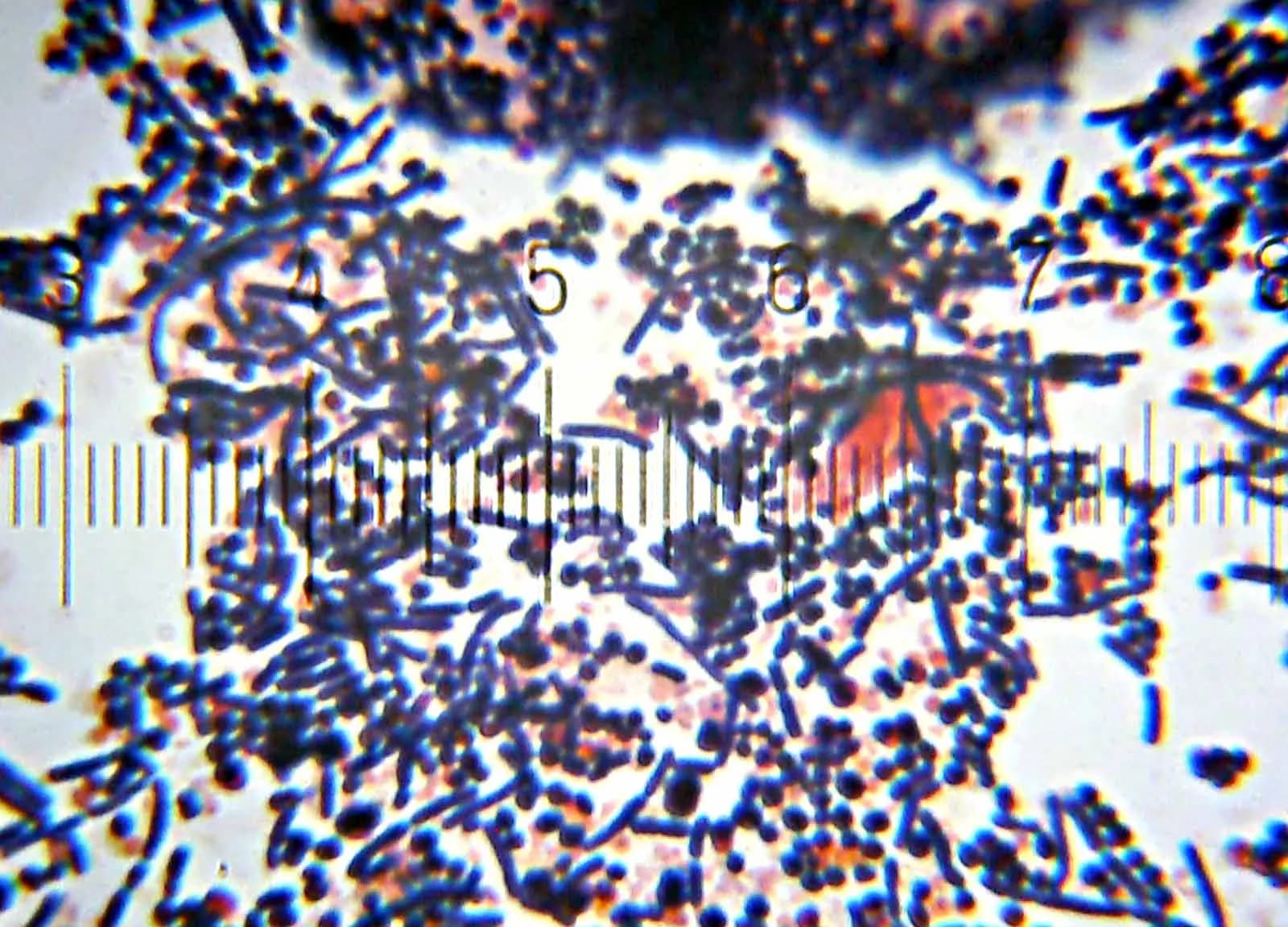
Antibiotic resistance gets the headlines and the funding. Its quieter cousin has been building for years with a fraction of the attention, and the World Health Organization has now published guidance describing fungal disease and antifungal resistance as one of the most neglected threats in global health.
The framing is the news. When the WHO calls something neglected, it is making a statement about the research pipeline and the diagnostic capacity as much as about the pathogen.
Why fungal infections are a harder problem
The difficulty is biological. Fungi are eukaryotes, which means their cells work much like ours, so a drug that kills a fungus has considerably more opportunity to harm the patient than one that targets a bacterium.
That constrains the whole field. There are far fewer classes of antifungal drug than antibacterial ones, so when resistance emerges against one, the remaining options are few and the fall back choices are often more toxic or harder to deliver.
Diagnosis compounds it. Serious fungal infection frequently presents like other illness, and confirming it requires laboratory capacity that many health systems do not have. Untreated or misdiagnosed, the outcomes for invasive infection are poor.
Who is most exposed
Invasive fungal disease concentrates among people whose immune defences are already compromised: patients in intensive care, those on immunosuppressive therapy, people living with advanced HIV, and patients recovering from major surgery.
This is why it stays under public notice. It rarely arrives as a dramatic outbreak among otherwise healthy people. It arrives as a complication that makes an existing illness fatal, and gets recorded against the underlying condition.
The WHO publishes its outbreak and guidance material through its newsroom, and the fungal guidance sits alongside the agency's wider emergency work described in UN News coverage of the director general's briefing on current global health emergencies.
What guidance can and cannot fix
Guidance sets standards for diagnosis, surveillance and stewardship. Those matter, and they are the necessary groundwork for knowing how big the problem is, which nobody currently does with precision.
What guidance cannot do is create drugs. Antifungal development has been commercially unattractive for the same reason antibiotic development has: a drug used briefly, in limited numbers, and deliberately held in reserve is a poor return on a decade of research spending.
Resistance also has an agricultural dimension. Antifungal compounds closely related to medical ones are used widely on crops, and resistance selected in a field does not stay in the field.
Where the resistance comes from
Resistance does not only develop inside patients. Azole compounds closely related to the medical antifungals are used extensively in agriculture to protect crops, and fungi in the environment are exposed to them at scale.
A resistant strain selected in soil does not stay in soil. Aspergillus, one of the more dangerous genera for immunocompromised patients, is an environmental organism people inhale routinely, which means a patient can acquire a resistant infection without ever having taken an antifungal drug.
That breaks the usual stewardship logic. Careful prescribing in hospitals is necessary and, on its own, insufficient, because a meaningful share of the selection pressure is happening outside the health system entirely.
Counting a problem nobody counts
The surveillance gap is the reason this went neglected for so long. Fungal infections are frequently not confirmed, because confirmation needs laboratory capacity that many health systems lack, and what is not diagnosed is not recorded.
The result is a circular trap. Without data showing scale, the disease does not attract funding; without funding, the diagnostic capacity that would generate the data does not get built. The WHO's own emergency and preparedness work, discussed in an assessment of its 2026 emergency appeal and global health security, sits against a persistently constrained budget.
Guidance is the cheapest lever available in that situation. It standardises what should be tested for and reported, which is the first step toward knowing the size of the problem. The agency's disease outbreak reporting shows how much more developed that machinery is for viral threats.
Why the drug pipeline is thin
Developing a new antifungal faces the same economics that emptied the antibiotic pipeline, with an additional biological handicap.
A successful new agent would be held in reserve for resistant cases, meaning low volumes by design. It would be prescribed in short courses. And the pool of patients, while seriously ill, is small beside the chronic conditions that reward pharmaceutical investment.
The biological handicap is the one already described: because fungal cells resemble human cells, the number of viable drug targets is small, so even well funded programmes have fewer avenues to try.
What a neglected designation is for
Calling a threat neglected is not a description of the pathogen, it is a description of the response, and the word is chosen deliberately.
It signals to funders, researchers and health ministries that the gap between the burden of a disease and the attention paid to it has become large enough to name. That framing has changed trajectories before, most visibly for a set of tropical diseases that spent decades outside the priorities of pharmaceutical research.
What it does not do is compel anyone. A designation reorders arguments about money without releasing any, which is why the interesting measure over the next two years is not what the WHO says but what national health budgets actually fund.
Reporting, not medical advice
This article is journalism about a public health development, not clinical guidance. Fungal infections range from trivial to life threatening and they are not self diagnosable. Anyone worried about a persistent infection, or managing an illness or treatment that suppresses immunity, should raise it with a clinician who knows their history rather than acting on anything read here.
What to watch next
Watch whether the guidance is followed by money. A neglected disease designation changes what gets published and what gets counted, and only sometimes changes what gets funded.
The measure to follow is diagnostic capacity in the health systems carrying the largest burden, because a resistant infection nobody can identify is not a treatment problem yet. It is still a counting problem.
Published in The Outspoken Digest
Editorial desk
Outspoken Digest Health & Humanity DeskMedicine, public health and the research behind the headlines, read carefully.
Newsletter
The Digest, in your inbox
One edition, sent when it is ready. No noise, and your address is never passed on.
Read Next
More Health →
FDA Approves Hibsago, the First Antisense Drug for Chronic Hepatitis B, With a Boxed Warning
Oct 22, 2026/2 min read

A Night-Owl Subtype of Depression Appears to Start Earlier, Hit Harder and Respond Worse to Common Antidepressants
Oct 21, 2026/2 min read
CDC and FDA Link Salmonella Illnesses in 12 States to Raw Oysters From Virginia's Little Wicomico River
Oct 20, 2026/2 min read
FDA Approves Dostarlimab for dMMR Rectal Cancer, an Option That May Spare Some Patients Surgery
Oct 19, 2026/2 min read