WHO Launches a Global Roadmap on Pre-Eclampsia and Pregnancy Hypertension, Tied to 42,000 Maternal Deaths a Year
The plan to 2035 targets a research gap, since few medicines exist for the condition, and the basic checks and drugs that many women still cannot reach in time.
Thursday, October 8, 2026/3 min read
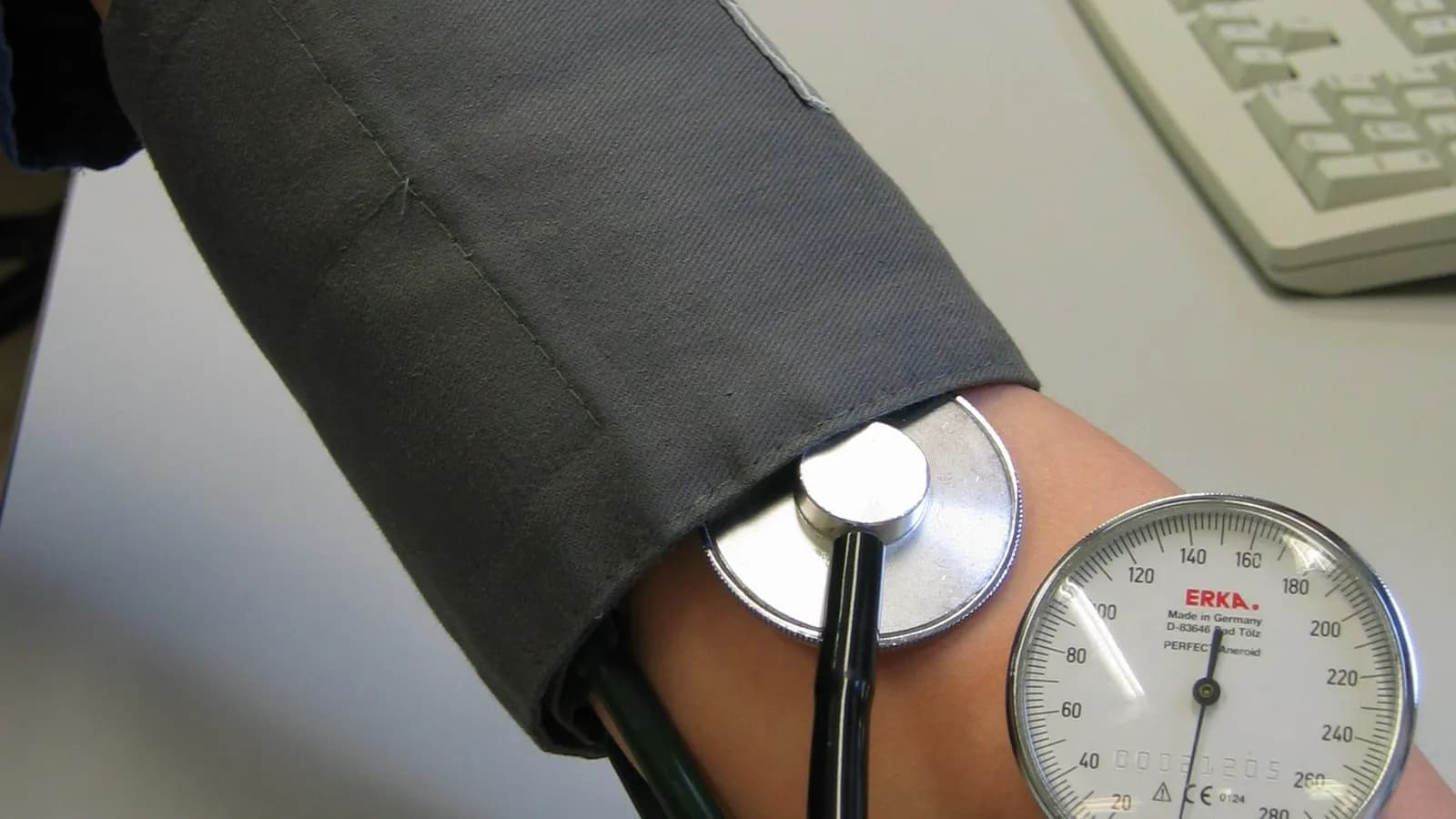
The World Health Organization and its partners on Thursday launched a global roadmap against hypertensive disorders of pregnancy, the group of conditions that includes pre-eclampsia. According to WHO's release, the disorders complicate an estimated 10 to 15 per cent of pregnancies worldwide. They account for around 16 per cent of maternal deaths, an estimated 42,000 a year, and for more than 500,000 stillbirths and newborn deaths.
"Pre-eclampsia can develop in any pregnancy," said Dr Pascale Allotey, director of WHO's department for sexual, reproductive, maternal, child, adolescent health and ageing. "Whether it becomes fatal depends on whether a woman's blood pressure was checked in time, and whether quality emergency care was within reach when it turned severe." The roadmap, covering 2026 to 2035 and beyond, was unveiled at the Society for Maternal-Fetal Medicine Global Conference.
What is pre-eclampsia?
WHO's own fact sheet describes it as a high blood pressure disorder that typically develops after 20 weeks of pregnancy and affects 3 to 8 per cent of women who give birth. It is diagnosed from a blood pressure of 140/90 mm Hg or more with protein in the urine. It can progress to eclampsia, which involves seizures and can be life-threatening. Severe cases may bring severe headaches, visual disturbances and upper abdominal pain, though some women have no obvious symptoms. First pregnancies, twins or more, obesity, existing hypertension, diabetes or kidney disease, and a family history all raise the risk, although having a risk factor does not mean the condition will occur.
What does the roadmap say has to change?
The first gap is basic. In many countries, WHO says, women still lack reliable blood pressure measurement, urine protein testing and essential medicines, including aspirin, antihypertensives and magnesium sulfate. Weak referral systems, shortages of trained health workers and limited emergency obstetric care add delay. Magnesium sulfate injections can cut the risk of eclampsia by more than half, the fact sheet says, yet their use remains limited in many low-resource settings.
The second gap is innovation. The roadmap highlights how few medicines have been developed and approved by regulators specifically for preventing or treating pre-eclampsia or eclampsia, with research money going mostly to diagnostics. In May, WHO convened more than 140 partners at a global summit to identify 20 priority research questions to guide future investment in predicting, detecting and treating these disorders. The roadmap sets coordinated action across research and innovation, global clinical guidance, access to medicines and diagnostics, implementation, advocacy and accountability. The release gives no funding figures, so the plan is a framework, not yet a budget.
Nigeria's Tribune Online framed the launch as reinforcing the need to strengthen routine antenatal monitoring, referral systems and access to emergency obstetric care in Nigeria.
Why does it matter after the birth?
Because the effects can last. Women who had hypertensive disorders of pregnancy face higher later risks of chronic hypertension, cardiovascular disease, stroke and kidney disease, WHO says, and children exposed in the womb can face a higher risk of preterm birth and of longer-term cardiovascular and metabolic disease.
This article is reporting on a WHO announcement, not medical advice. Anyone who is pregnant, or recently gave birth, and has any concern about blood pressure, severe headaches, vision changes or pain under the ribs should contact a midwife or doctor promptly, as WHO's fact sheet advises, and decisions about aspirin, calcium or any blood pressure medicine in pregnancy belong with a clinician who knows the woman's history.
What to watch is whether the 20 research questions attract funding, and whether the basic tools the roadmap names, from blood pressure checks to magnesium sulfate, reach clinics well before 2035.
Published in The Outspoken Digest
Editorial desk
Outspoken Digest Health DeskMedicine, public health and the research behind the headlines, read carefully.
Newsletter
The Digest, in your inbox
One edition, sent when it is ready. No noise, and your address is never passed on.
Read Next
More Health →
Two Days After the Nobel for Optogenetics, a Small NEJM Trial Shows It Helped Some Blind Patients Detect Objects
Oct 9, 2026/3 min read
WHO Says Diet and Exercise Come First and Children Under 10 Should Not Get Weight-Loss Drugs or Surgery
Oct 7, 2026/3 min read
Kenya Confirms Its First Ebola Case, a Man Who Flew In From Uganda After Years in Congo and Died in Nairobi
Oct 6, 2026/3 min read