Divers Excavating Off Kekova Find a Wreck Believed to Be the World's Oldest, Turkey Says
Turkish archaeologists say a wooden cargo ship lying about 30 metres down near Kekova Island sank 4,400 to 4,700 years ago. Its hull is gone, but the jars it carried remain.
Thursday, October 15, 2026/2 min read
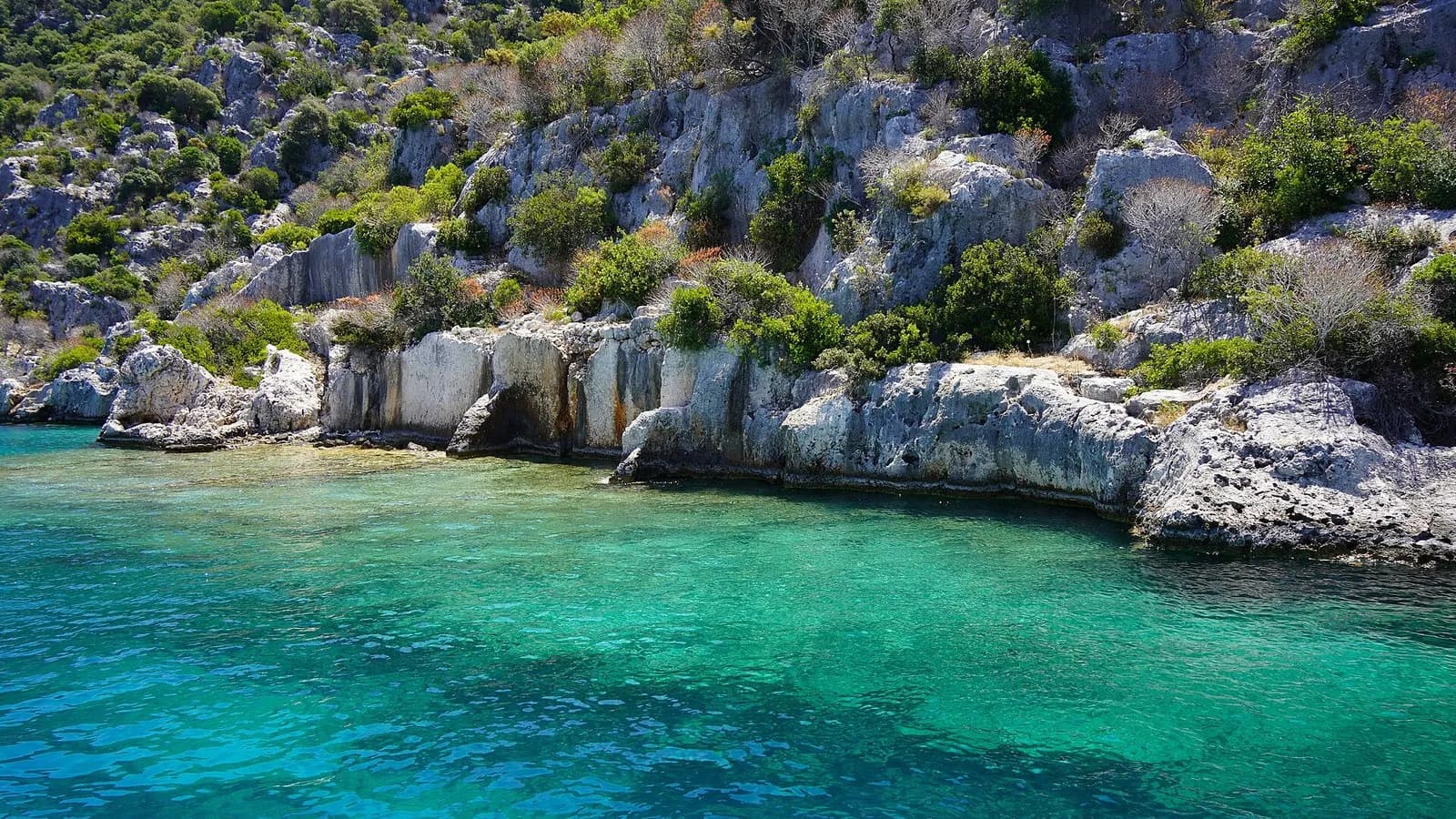
The evidence is pottery. On 14 October Turkey's culture and tourism minister, Mehmet Nuri Ersoy, announced what he called the world's oldest shipwreck, found by divers near Kekova Island, off the coast of Antalya, and what the team has brought up so far is the cargo of a ship that sank in the early Bronze Age.
The wreck is estimated to have sunk between 4,400 and 4,700 years ago, according to ABC News, which puts it in the early Bronze Age, around the time the Great Pyramid at Giza was built. The same report describes a wooden cargo vessel roughly 30 feet (about nine metres) long, resting in about 100 feet (about 30 metres) of water.
What did the divers find at Kekova?
The excavation is led by Hakan Oniz of Akdeniz University in Antalya. ABC reports that the team recovered ceramic storage jars and clay containers that may have held olive oil or wine. One jar carries nine markings and two holes, and the minister suggested it may have been used to churn cheese or butter.
According to Euronews, clay analyses indicate the jars were probably made in workshops in the Jordan Valley, which would make this a long-distance trade cargo. Euronews says the scientific excavations are running under the Antalya Museum Directorate with permits from the Ministry of Culture and Tourism. Oniz, in remarks that ABC attributes to the BBC, said the team were the first humans to touch the objects in about 5,000 years.
Is it really the oldest shipwreck?
Read the claim carefully. ABC's headline says the wreck is believed to be the oldest, and the age is an estimate. Euronews says the age comes from amphora samples gathered in earlier Akdeniz University underwater surveys, which suggested the ship dates to the early Bronze Age, rather than from a direct date on the vessel. Neither report we have seen says the findings have been published in a peer-reviewed journal, and the question of which wreck is oldest depends on how each is dated.
That is a normal state of affairs in underwater archaeology. A discovery is announced, the dating is tested, and the claim either survives or is adjusted.
What does this mean for divers?
It is a reminder of how much of the Mediterranean seabed is a record, not a playground. A site like this is excavated under permit, recorded square by square and lifted by specialists, because moving one jar without notes destroys information that cannot be recovered. The ethic travelling divers are asked to follow at any wreck or ruin is the same one, look and photograph, do not take or move anything, and report finds to the authorities.
Expect the next real milestone to be the peer-reviewed publication and the residue analysis of the jars, which should say what the cargo was. Until then the Kekova ship holds its record provisionally.
Published in The Outspoken Digest
Editorial desk
Outspoken Digest Diving DeskCovers freediving, recreational and technical diving, dive medicine and the incidents the sport learns from.
Newsletter
The Digest, in your inbox
One edition, sent when it is ready. No noise, and your address is never passed on.
Read Next
More Diving →
Breathless and Coughing Pink Froth After a Dive: Immersion Pulmonary Edema Explained
Oct 17, 2026/3 min read
Your Gas Consumption Is Not One Number: Why Depth, Cold and Nerves Change It
Oct 16, 2026/3 min read
SS United States Reef Sinking Targeted for November: What Divers Should Know
Oct 16, 2026/2 min read
Bleached Corals Recovered After Touching a Healthy Clone, Stanford Lab Study Finds
Oct 15, 2026/2 min read