WTI Climbs Back Above $100 as Houthis Claim a Strike on Ras Tanura and the US Oil Reserve Hits a 44-Year Low
Brent settled at $115.32 after the Houthis claimed a missile hit on Saudi Arabia's biggest refinery, which Riyadh has not confirmed, while US crude stocks fell and gasoline stayed tight.
Wednesday, October 28, 2026/2 min read
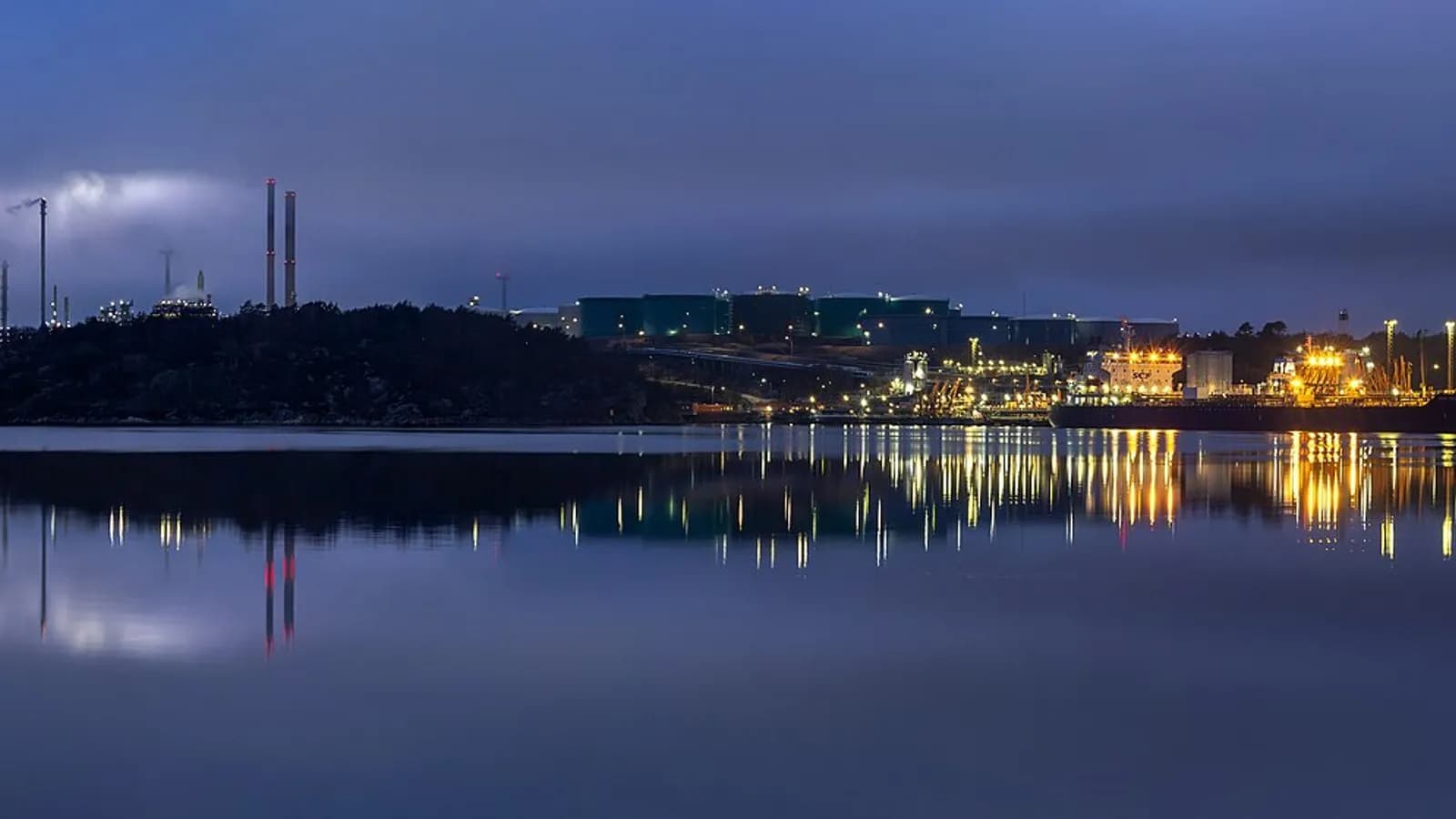
Crude spent Wednesday climbing back to where it was a week ago. West Texas Intermediate for December delivery rose $2.88, or 2.9 percent, to settle at $102.78 a barrel, and December Brent gained $1.44 to close at $115.32, according to DTN. Brent touched $116.51 during the session.
The push came from the Gulf. The Houthis said on Tuesday that they fired a ballistic missile at Ras Tanura, the Saudi Arabian refinery and export terminal on the Eastern Province coast, and that it caused large fires. Saudi authorities had not confirmed any hit by Wednesday evening, so the claim stands as the Houthis' own.
What did the Houthis claim at Ras Tanura?
Ras Tanura handles 550,000 barrels a day at its refinery and is one of the kingdom's two main crude export terminals, DTN notes. Per MarketScreener, a Saudi-led coalition said its air defences destroyed three ballistic missiles aimed at the Eastern Province and four drones aimed at the south, while Aramco, which operates the site, did not immediately comment. A maritime security monitor reported a fire in the area that was contained, with the extent of damage unclear.
Traders did not wait for confirmation. This is the latest in weeks of strikes on Saudi energy sites, a run we followed when the Dow shed more than 600 points as Brent passed $116 in last week.
Why are US crude and fuel stocks so tight?
The weekly inventory report added fuel to the move. The Energy Information Administration said, in figures carried by Reuters via Investing.com, that commercial crude stocks fell by 1.9 million barrels to 410.6 million in the week to 23 October, when analysts had expected a small rise. Distillates dropped 1.5 million barrels to 102.8 million. Gasoline rose 3.9 million barrels to 209.2 million, yet Midwest gasoline stocks fell 1.3 million barrels to 41.0 million, a record low, DTN reports.
The Strategic Petroleum Reserve slipped another 100,000 barrels to 282.6 million, its lowest since October 1982, which leaves Washington with less cushion if Gulf supply is hit again. Refinery utilisation fell 0.6 points to 92.8 percent, and exports rose 1.4 million barrels a day to 4.85 million, per the Reuters tally.
What happens to oil prices next?
Everything depends on whether Saudi Arabia or Aramco confirms damage at Ras Tanura. A confirmed outage at the biggest Saudi refinery would test the $115 Brent level quickly; a denial would likely take some of the premium back. The Federal Reserve's decision came on the same afternoon and held rates at 3.75 to 4 percent, a backdrop DTN described as supportive for energy.
Next week's inventory report will show whether US stocks keep drawing. With the reserve at a 44-year low, the buffer against a Gulf shock is thinner than it has been in a generation.
Published in The Outspoken Digest
Editorial desk
Outspoken Digest Markets DeskReports for The Outspoken Digest across Business, Crypto.
Newsletter
The Digest, in your inbox
One edition, sent when it is ready. No noise, and your address is never passed on.
Read Next
More Business →
Alphabet Heads for Its Worst Day on Record, Shedding About $500 Billion, as Nasdaq Slides
Oct 29, 2026/2 min read
US Economy Grew at a 3.4% Pace in the Third Quarter as AI Spending Lifted Business Investment
Oct 29, 2026/2 min read

Microsoft Rises About 4% After Hours as Azure Grows 48% and Capital Spending Comes In Light
Oct 28, 2026/2 min read

Alphabet Falls More Than 10% After Hours as Cloud Revenue Doubles but Free Cash Flow Slides Further Below Zero
Oct 28, 2026/2 min read