Zone 2 Cardio Versus VO2 Max: Sorting the Training Trend From the Evidence
VO2 max strongly predicts longevity, but the evidence that slow, low-intensity Zone 2 training is the best way to raise it is weaker than the trend suggests.
Wednesday, January 15, 2025/4 min read
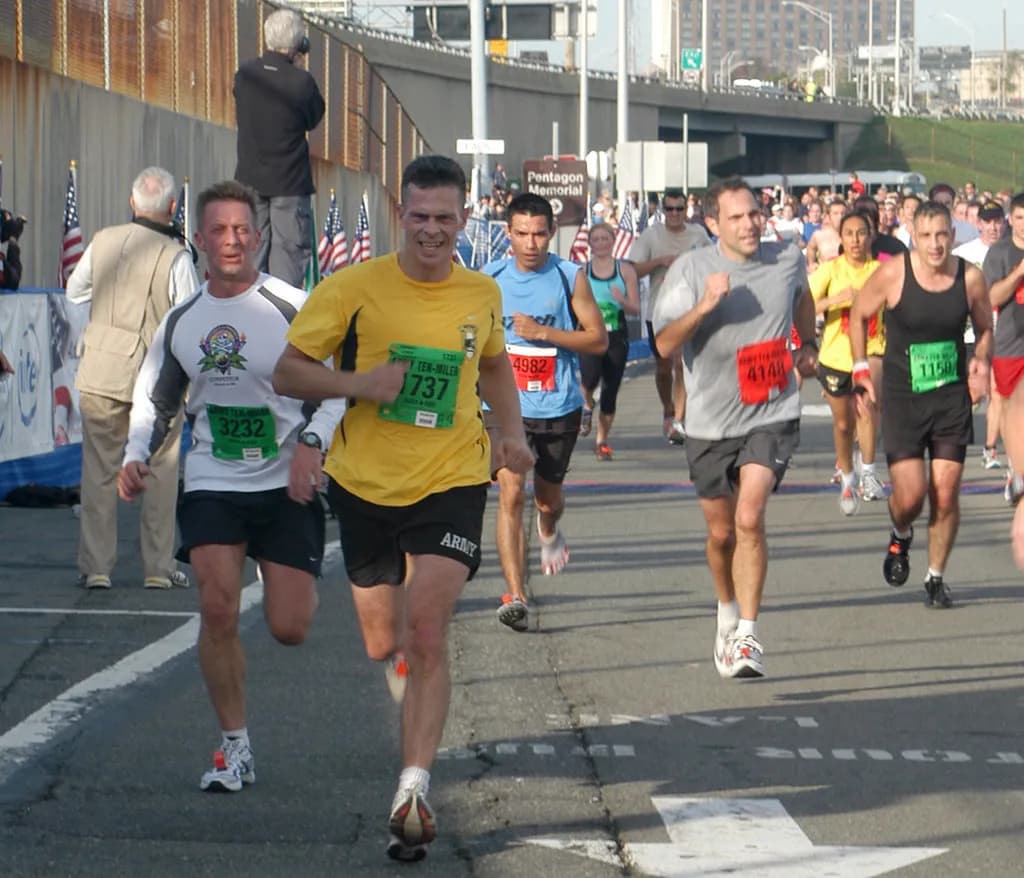
Walk into any gym conversation about longevity right now and someone will mention Zone 2, the low-intensity cardio pace where you can still hold a conversation, usually framed as the secret the fitness industry supposedly hid for years. The framing has gotten ahead of two separate facts that deserve to be pulled apart: what VO2 max predicts, and what actually raises it.
VO2 max really is a strong predictor of longevity
This part is well established. Cardiorespiratory fitness, measured as VO2 max (the maximum rate at which the body can use oxygen during exercise), is one of the strongest predictors of all-cause mortality available, more consistently predictive across studies than many standard clinical biomarkers, according to research summarized by Healthspan's research review. Moving from a low fitness category to even a moderate one has been associated with substantial reductions in mortality risk in observational cohorts. None of the debate below challenges that finding.
Where the evidence gets shakier: does Zone 2 specifically raise VO2 max best?
This is the contested part. An analysis by physician Dr. Brad Stanfield concluded that current evidence does not support Zone 2 as the optimal intensity for improving mitochondrial density or fatty acid oxidative capacity, the cellular-level justification often given for why slow cardio supposedly builds a bigger aerobic engine. The correlation between VO2 max itself and mortality is robust; the specific claim that Zone 2 training is the best way to build that VO2 max is built on a thinner and more contested evidence base.
What controlled studies on intensity actually show
Studies comparing training intensities in healthy, already-active people have found cardiorespiratory fitness tends to improve more with intensities above Zone 2, not within it. The Norwegian 4x4 interval protocol, four repeated bouts of four minutes at roughly 85 to 95 percent of maximum heart rate, produced meaningfully larger VO2 max gains over eight weeks than matched continuous training at lower intensity in some of the studies this protocol is built on. That does not mean Zone 2 is useless, it means the claim that it is uniquely superior for raising VO2 max specifically is not well supported.
A mitochondria researcher's honest look
A review from a mitochondria researcher, published through Healthspan, went looking directly for evidence supporting the specific Zone 2 mitochondrial narrative and found the underlying science thinner than the popularity of the trend implies, a useful corrective from inside the field the claim originally borrowed its credibility from. A related piece examining the impact of Zone 2 endurance training on mitochondrial health and longevity reaches a similarly cautious conclusion, that the mechanistic story is plausible but not yet proven at the level of confidence with which it gets repeated online.
Where Zone 2 clearly does help
None of this means low-intensity cardio is pointless. For people doing little to no structured exercise, any consistent aerobic activity, including Zone 2 pace, improves fitness relative to doing nothing, and it is more sustainable and recoverable for high weekly training volume than constant high-intensity work would be. Zone 2 also has a real, separate role as a lower-injury-risk way to accumulate aerobic volume alongside harder sessions, which is different from claiming it is the single best tool for raising VO2 max.
What a sensible protocol looks like based on current evidence
Most evidence-based endurance programs now combine a base of lower-intensity aerobic work with periodic higher-intensity intervals, rather than staying exclusively in one zone. For someone starting from a sedentary baseline, simply moving and building a consistent habit matters more than optimizing intensity zones at all. For someone already fit and chasing VO2 max gains specifically, the evidence currently favors including harder interval sessions rather than relying on Zone 2 alone.
How to tell which zone you are actually in
Much of the popular confusion starts before training even begins, with the zone itself. Zone 2 is typically defined by feel more than by a fixed number, an intensity where a person can hold a full conversation without gasping for air, which in practice sits at a noticeably easier effort than most people's habitual jogging or cycling pace. A separate review on Zone 2 endurance training's relationship with cardiovascular and musculoskeletal health notes that without a lab-based test or a reasonably calibrated wearable, many people training by feel alone drift into a harder effort than true Zone 2, which muddies home experiences of what the zone does or does not accomplish.
What would settle the remaining disagreement
Larger, longer randomized trials directly comparing Zone 2-only protocols against mixed-intensity protocols, with muscle biopsy-confirmed mitochondrial measurements and VO2 max testing at matched training volumes, would resolve this more cleanly than the current mix of smaller mechanistic studies and popular extrapolation.
This article is reporting on exercise science, not personalized medical or training advice. Anyone starting a new exercise program, particularly with existing heart, joint or metabolic conditions, should check with a doctor before adding high-intensity intervals, since the risk profile of harder efforts is meaningfully different from steady, easy-paced cardio.
The trend got one thing right, that aerobic fitness matters enormously for lifespan, and overstated another, that one specific narrow training zone is the secret lever for building it. The actual protocol worth following looks more like a mix than a monastery, and it rewards checking the definition of the zone a person thinks they are training in before crediting or blaming it for the results that follow.
Published in The Outspoken Digest
Editorial desk
Outspoken Digest Health DeskMedicine, public health and the research behind the headlines, read carefully.
Newsletter
The Digest, in your inbox
One edition, sent when it is ready. No noise, and your address is never passed on.
Read Next
More Health →
Two Days After the Nobel for Optogenetics, a Small NEJM Trial Shows It Helped Some Blind Patients Detect Objects
Oct 9, 2026/3 min read
WHO Launches a Global Roadmap on Pre-Eclampsia and Pregnancy Hypertension, Tied to 42,000 Maternal Deaths a Year
Oct 8, 2026/3 min read

WHO Says Diet and Exercise Come First and Children Under 10 Should Not Get Weight-Loss Drugs or Surgery
Oct 7, 2026/3 min read

Kenya Confirms Its First Ebola Case, a Man Who Flew In From Uganda After Years in Congo and Died in Nairobi
Oct 6, 2026/3 min read