A Tailor Can Change Almost Anything Except the Two Things That Decide Whether It Fits
Length, waist, sleeves and taper are routine. Shoulders and the chest are not, and a jacket that is wrong there is wrong permanently. Knowing which is which is the difference between a cheap fix and a garment you will not wear.
Wednesday, September 2, 2026/4 min read
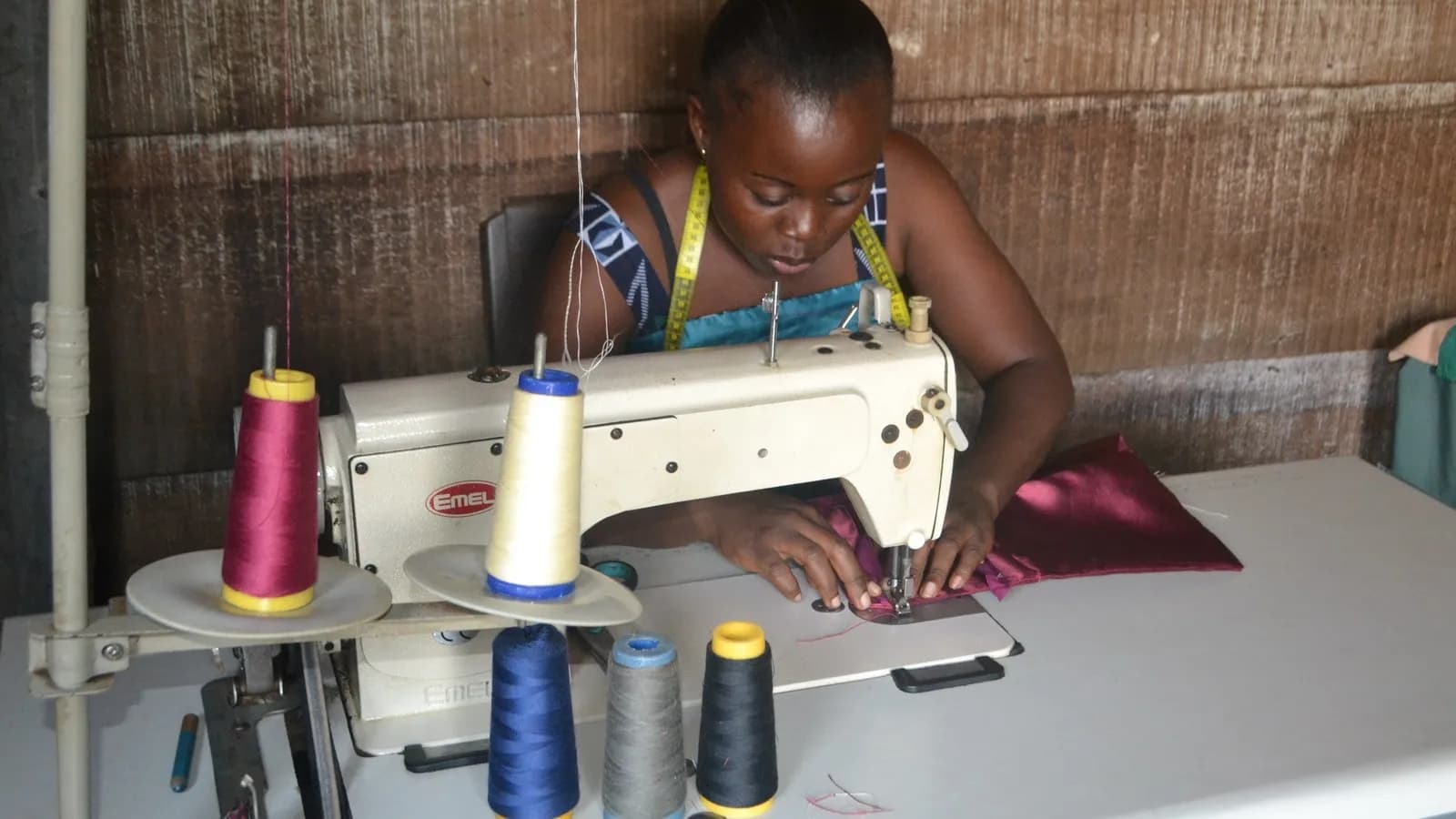
The most useful thing anybody can learn about buying clothes is which parts of a garment are negotiable after the fact and which are not. It changes what you are willing to buy, what you are willing to pay, and how much of your wardrobe you actually wear.
The short version: buy for the shoulders and the chest, and let a tailor handle everything else.
The two things that cannot be fixed
Shoulders, on a structured jacket, and the chest.
A jacket shoulder is a built assembly: canvas, padding, a sleeve head set into a curved seam at a specific angle. Changing its width means dismantling and rebuilding the top of the garment, which is possible, takes hours of skilled work, and typically costs more than the jacket. If the shoulder seam does not sit near the corner of your own shoulder, put it back.
The chest is the same story for a different reason. There is often no spare fabric to let out, and taking it in far enough to matter distorts the front, moves the pockets, and pulls the lapels. A jacket that gapes at the chest or strains across it is telling you the size is wrong, not that it needs a nip.
The things that are routine
Almost everything else, and it is cheaper than people assume.
Sleeve length is the single highest value alteration and the most commonly skipped. On a jacket it should show a little shirt cuff; on a shirt it should end where the wrist meets the hand. Trouser length and hem style are trivial. Taking in the waist of a jacket or shirt is straightforward. Tapering trouser legs is straightforward. Moving buttons on a coat, shortening a dress at the hem, taking in a side seam on a dress or a skirt: all normal work.
Trouser waists can usually move an inch or two either way at the centre back seam, which is why the professional advice is to buy trousers that fit the seat and thigh and have the waist adjusted, rather than the other way round.
The middle ground, where the money goes
Some alterations are possible and expensive enough that they change the buying decision.
Shortening a jacket body affects the pockets and the balance of the whole garment, and is worth doing only on something you love. Shortening from the shoulder, which is how it is done properly on a coat, is skilled work. Taking in a shirt across the back with a dart is cheap; recutting the yoke is not. Anything involving a lining, a zip, or a pleat costs more than the equivalent work on an unlined seam.
Dresses with structure, boning, or a built in bra are their own category, and a good alterations tailor will tell you honestly whether the internal structure will still line up after the outside is moved.
What this means when you are standing in a shop
Try the size that fits the shoulders and the chest, then look at everything else with the assumption that it will be changed.
This is exactly backwards from how most people shop, which is to find the size where the sleeves are roughly right and accept a shoulder that hangs off. The result is a garment that never looks correct in a photograph and that its owner quietly stops reaching for.
It also changes the arithmetic on price. A well cut jacket at a good price with sixty dollars of alterations will outperform a more expensive one that fits nowhere, and it makes secondhand and outlet buying far more rewarding, because the usual objection to both is a fit problem that is on the fixable list.
How to brief a tailor without wasting their time
Wear the shoes and the shirt you will wear with it. Stand normally. Say what bothers you and let them tell you what is causing it, because the visible symptom and the actual cause are frequently in different places.
Ask two questions before agreeing to anything: what will this cost, and is there enough fabric in the seam to reverse it. The second one matters more than people realise, because taking in is usually reversible and cutting is not.
And a warning worth stating plainly: alterations are the reason a sale garment is often not a bargain. If the only size left needs three changes, price them before you buy, not afterwards.
The connected point about buying at all
The reason to know any of this is that fit is the single largest determinant of whether a garment gets worn, and cost per wear is decided by wearing.
We set out that arithmetic in the case for buying fewer and better, and what to inspect before you hand over money in how to judge a garment. Alterations are the missing third piece: the seam allowance inside a garment is a feature, and a cheap one with none is a garment nobody can ever rescue.
Published in The Outspoken Digest
Newsletter
The Digest, in your inbox
One edition, sent when it is ready. No noise, and your address is never passed on.
Read Next
More Fashion →
Anthony Vaccarello Is Leaving Saint Laurent After a Decade, and Kering Has Not Yet Named His Successor
Oct 9, 2026/2 min read

Louis Vuitton Closes Paris Fashion Week With Hovering Cars, Paper-Light Dresses and a Louvre Courtyard Cityscape
Oct 7, 2026/2 min read
Celine Dion Made a Surprise Return to the Catwalk to Close L'Oreal's Paris Fashion Week Opening Show
Sep 29, 2026/2 min read
Louise Trotter Doubled Down on Colour and Oversized Bags for Her Latest Bottega Veneta Show in Milan
Sep 27, 2026/2 min read