How to Judge a Garment in Sixty Seconds, Before You Pay for It
Price tells you almost nothing about how long a piece of clothing will last. Fabric weight, seam tension and fibre length tell you a great deal, and all three can be checked while you are standing in the shop.
Saturday, August 22, 2026/4 min read
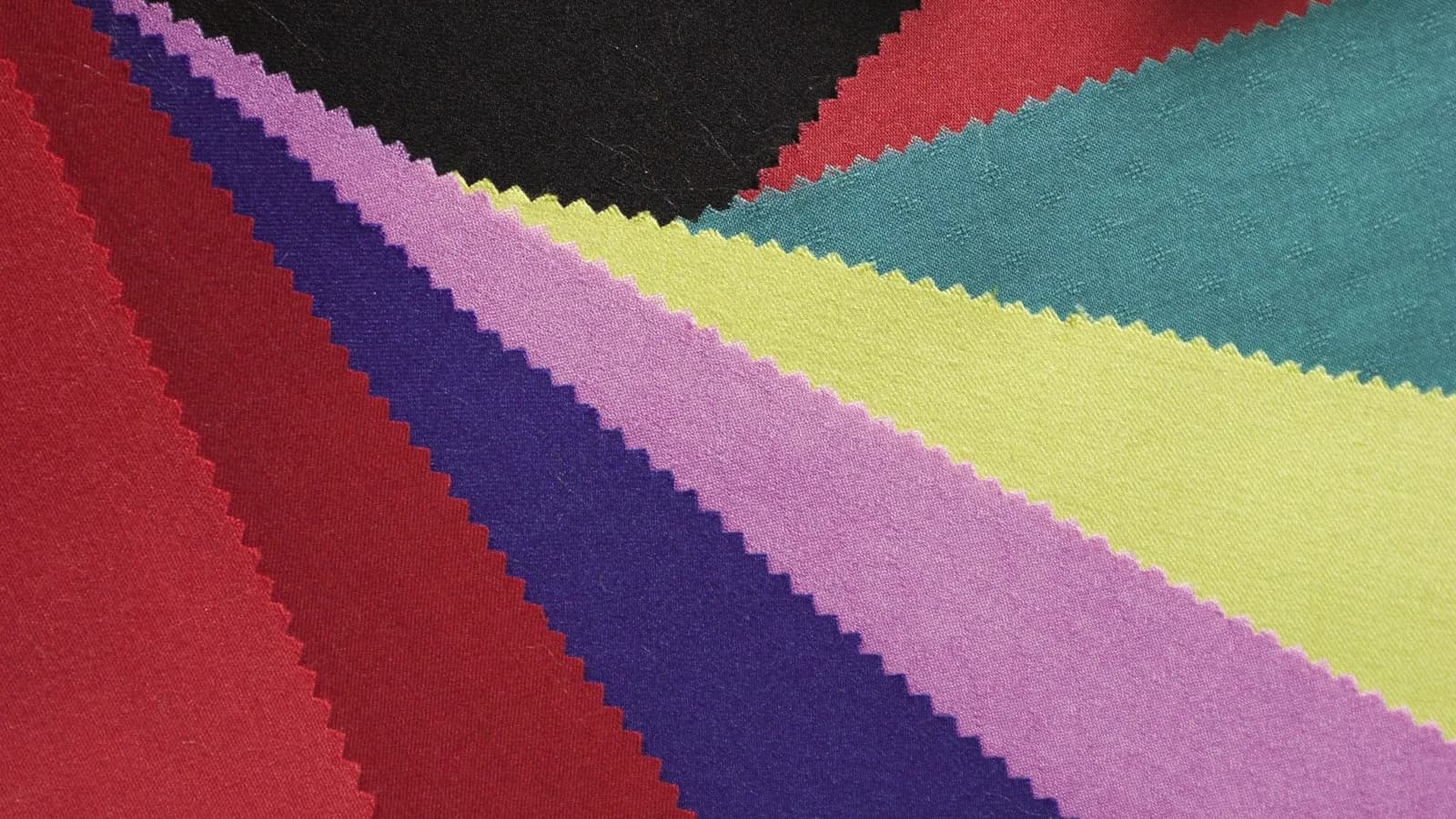
Clothing has become harder to judge, not easier. Price has come loose from quality at both ends: an expensive garment may be assembled in the same factory as a cheap one, and a mid market jumper may use better yarn than a designer equivalent. The label is no longer a reliable proxy.
What has not changed is that quality leaves physical evidence. Here is what to look for, in the order it is quickest to check.
Start with weight, not with the feel
Fabric weight is measured in grams per square metre, usually written GSM, and it describes how heavy and dense the cloth is.
A higher GSM knit feels more substantial and usually lasts longer. A low GSM is lighter and cooler, which is sometimes exactly what you want in this climate, but it is also more delicate and more prone to going thin and translucent at the elbows and seat. The extra weight normally comes from a tighter weave or thicker yarns, which is why denser cloth resists tearing, stretching and wearing through.
The important caveat: GSM is not a quality score. A heavy fabric made from short, coarse fibres will pill and go harsh. Weight tells you what class of garment you are holding. It does not tell you whether it was made well.
Then read the label for fibre, not just fabric
Three words on a composition label are worth more than the rest of it.
Long staple or extra long staple, on cotton. Staple is fibre length. Longer fibres mean fewer loose ends poking out of the yarn, which means less pilling, a smoother surface and more strength.
Two ply, on woven shirting and fine knitwear. Two ply means two yarns twisted together before weaving. It costs more and it produces cloth that holds its shape and survives washing far better than single ply.
The blend percentages. A small percentage of elastane in a trouser is functional. A large percentage of polyester in something sold as wool is a price decision being described as a fabric.
Now check the seams, which is where corners get cut
Sewing is labour, and labour is the most expensive thing in a garment, so it is the first thing reduced.
Look for stray threads, loose stitches, and any place that has been sewn over more than once. Repeated stitching over the same line usually means a mistake was corrected on the line rather than remade, and it leaves a weak point.
Look for visible needle holes along the seam. Those are made by a needle too large for the cloth, which is a basic manufacturing error, and it perforates the fabric in a line exactly where the stress will be.
Then run the tension test, which takes three seconds. Take the fabric either side of a seam on the outside of the garment and pull gently apart. If the cloth opens and you can see the thread from the face side, the tension is too loose and that seam will gape or fail.
Four more checks worth the extra thirty seconds
- Seam allowance. Turn the garment inside out and look at how much fabric sits beyond the stitch line. A generous allowance means the piece can be let out or repaired. A narrow one means it cannot, and it frays faster.
- Pattern matching. On a stripe or check, look at the side seams and the pockets. Aligned patterns waste fabric deliberately, which is a direct signal about what the maker was willing to spend.
- Buttons and buttonholes. Shanked buttons sewn with a cross of thread, and buttonholes with dense, even stitching that is cut cleanly. Loose threads at a buttonhole are the single most common early failure.
- Drape. Hold the garment up by the shoulders and let it hang. Good cloth falls. Stiff cloth that holds a shape it was pressed into is usually heavily finished, and that finish washes out, taking the hand of the fabric with it.
What about the things you cannot check in a shop?
Colourfastness and shrinkage are the two that matter most and neither is visible.
The proxies are imperfect but real: deep dyes on cheap cotton bleed more, unlined dark linings on light fabrics are a risk, and anything sold as pre shrunk has at least been through a process. Beyond that, the honest answer is that the first wash is the test, which is a good reason to keep the receipt.
Why this matters more than it used to
Because the economics of clothing have moved.
Luxury pricing has climbed while its customer base has fallen, which we set out in the sixty million customers luxury has lost, and the secondhand market has grown into a serious alternative, covered in how secondhand became a style signal. Both shifts reward the same skill: being able to tell, without a label's help, whether an object is worth what is being asked.
That skill also changes the arithmetic of a purchase entirely, which is the subject of cost per wear. A garment that survives eighty wears at twice the price of one that survives twenty is not the expensive option.
Published in The Outspoken Digest
Newsletter
The Digest, in your inbox
One edition, sent when it is ready. No noise, and your address is never passed on.
Read Next
More Fashion →
Victoria's Secret Fashion Show Heads to Los Angeles on Sunday With an All-Women Lineup and Three Angel Hopefuls
Oct 15, 2026/2 min read

Anthony Vaccarello Is Leaving Saint Laurent After a Decade, and Kering Has Not Yet Named His Successor
Oct 9, 2026/2 min read

Louis Vuitton Closes Paris Fashion Week With Hovering Cars, Paper-Light Dresses and a Louvre Courtyard Cityscape
Oct 7, 2026/2 min read

Celine Dion Made a Surprise Return to the Catwalk to Close L'Oreal's Paris Fashion Week Opening Show
Sep 29, 2026/2 min read