Luxury Is Growing in Euros and Shrinking in People, and It Has Lost Sixty Million Customers Since 2022
Bain and Altagamma expect personal luxury goods to reach as much as 373 billion euros in 2026. The same research shows the customer base falling from 400 million to 340 million. Both numbers describe the same strategy.
Saturday, August 22, 2026/3 min read
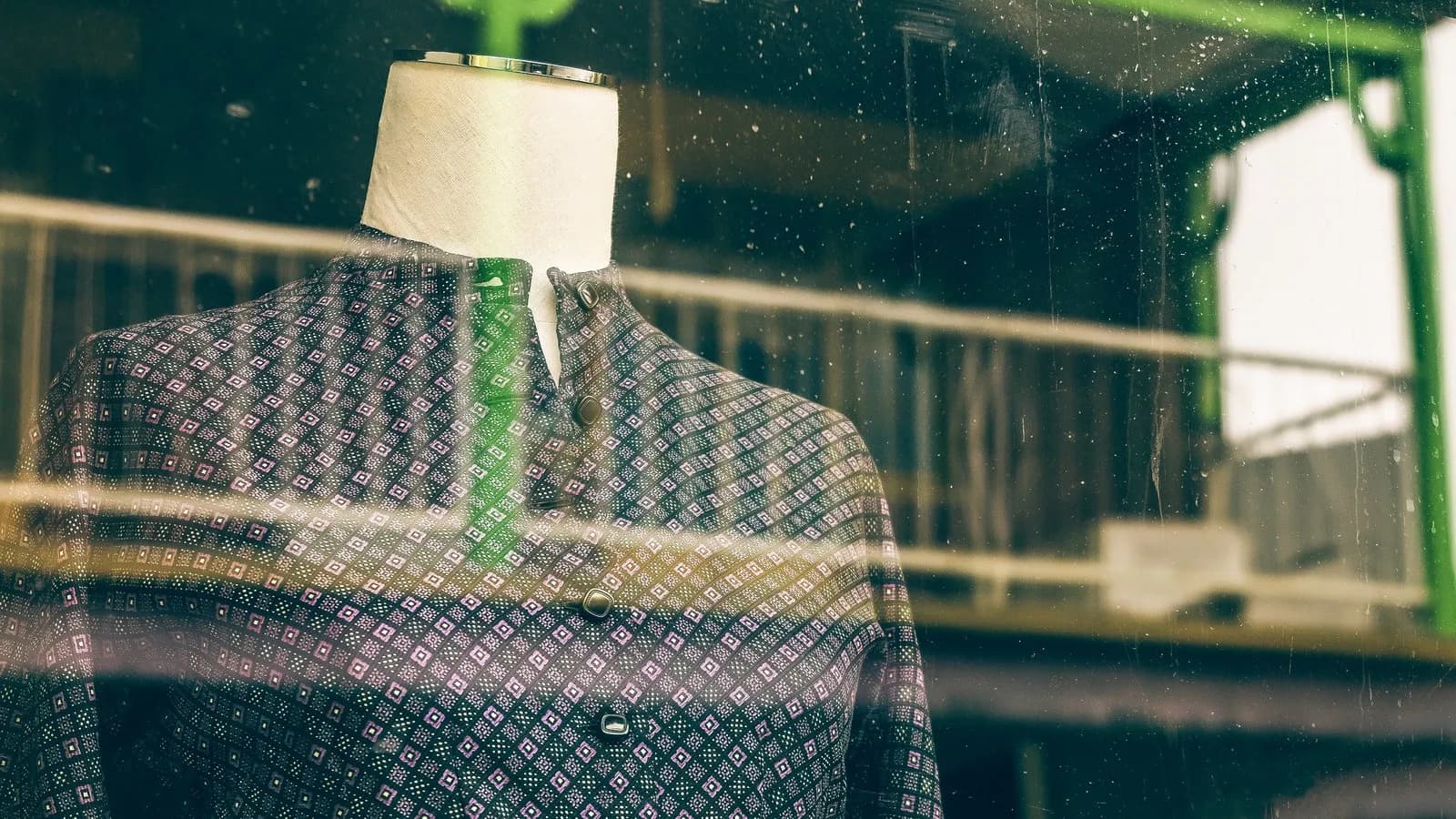
The Bain and Altagamma reading of the luxury market expects personal luxury goods spending to grow between 2 and 4 per cent in 2026, reaching somewhere between 365 and 373 billion euros, up from 358 billion in 2025.
Read alone, that is a recovery story. Read alongside the other figure in the same body of research, it is something else. The global luxury customer base has fallen from around 400 million people in 2022 to about 340 million in 2025.
More money, fewer buyers. That is not a contradiction. It is a strategy, and it has consequences.
How does a market grow while losing customers?
By charging the remaining ones more.
Across the post-pandemic years the industry raised prices repeatedly and steeply, on the reasonable theory that scarcity and price are part of what a luxury product sells. For a while the revenue arithmetic worked: fewer units at much higher prices produced higher totals and protected margins.
The problem is who left. The customers who exit first when a handbag price doubles are not the top spenders. They are the aspirational buyers at the bottom of the pyramid, the people making an occasional stretch purchase. That group is where brand affection is formed, where future top spenders come from, and where volume lives.
Bain's own framing is blunt about the cost of this: price increases have left shoppers feeling betrayed. That is unusually direct language in an industry report, and it describes a relationship problem rather than a pricing one.
Why is a smaller base risky when revenue is up?
Because concentration cuts both ways.
A business that depends on a narrower group of wealthy buyers is more exposed to anything that affects that group: an equity drawdown, a currency move, a change in travel patterns, a policy shift in one large market. The same research notes that even big spenders are showing fatigue, with their spending plateauing.
When the top of the pyramid plateaus and the base has been priced out, there is no obvious source of growth left except further price increases, which is the mechanism that produced the problem.
Where did those customers go?
Mostly not away from fashion. Sideways.
The secondhand market is the clearest destination. It offers the same labels at prices that reflect what the goods are worth after the first owner, and it has become a normal way to shop rather than a compromise, which we set out in how secondhand became a style signal.
Others moved to the tier immediately below luxury, where the quality gap is often smaller than the price gap, particularly in leather goods and knitwear. Some simply buy less and keep it longer, which is a rational response and the subject of the cost per wear arithmetic.
In this region the pressure has been visible for a while in the middle of the market, which we looked at in the squeezed middle of Gulf luxury shopping.
What does Bain say actually works now?
Unglamorous things, which is the most interesting part of the outlook.
Growth is expected to be selective and uneven, favouring brands with product discipline, cost control, clear positioning and consistent execution. Sustained performance is described as depending less on price increases and more on operational efficiency, product credibility and customer retention.
Every item on that list is an operations problem rather than a creative one. Product credibility means the object is worth what it costs. Customer retention means people come back without being reacquired at expense. These are the terms in which any well run manufacturer is judged, and the fact that they are now the terms for luxury is the real news.
Does this mean prices come down?
Almost certainly not, and expecting it misunderstands the mechanism.
Luxury pricing is close to irreversible, because a visible price cut damages the proposition it is meant to protect. What happens instead is quieter: entry level products reappear, sizes and materials shift, outlet and secondary channels absorb inventory, and the increases pause rather than reverse.
For a buyer, the practical consequence is that the next few years should offer more genuine choice at the accessible end of established houses, and more competition from brands positioned just underneath them. The correct response to an industry that has admitted its customers feel betrayed is not loyalty. It is to judge each object on what it is made of and how long it will last, and to notice that the retreat from logos was always partly an argument about exactly that.
Published in The Outspoken Digest
Newsletter
The Digest, in your inbox
One edition, sent when it is ready. No noise, and your address is never passed on.
Read Next
More Fashion →
Victoria's Secret Fashion Show Heads to Los Angeles on Sunday With an All-Women Lineup and Three Angel Hopefuls
Oct 15, 2026/2 min read

Anthony Vaccarello Is Leaving Saint Laurent After a Decade, and Kering Has Not Yet Named His Successor
Oct 9, 2026/2 min read

Louis Vuitton Closes Paris Fashion Week With Hovering Cars, Paper-Light Dresses and a Louvre Courtyard Cityscape
Oct 7, 2026/2 min read
Celine Dion Made a Surprise Return to the Catwalk to Close L'Oreal's Paris Fashion Week Opening Show
Sep 29, 2026/2 min read