The American Alligator Recovered Forty Years Ago and Is Still Listed as Threatened, Because It Looks Like a Crocodile
In 1987 the alligator no longer qualified for protection on its own merits, so it was kept on the list for resembling species that did. A Florida congressman now wants that provision studied, after a woman was killed in June.
Sunday, September 6, 2026/3 min read
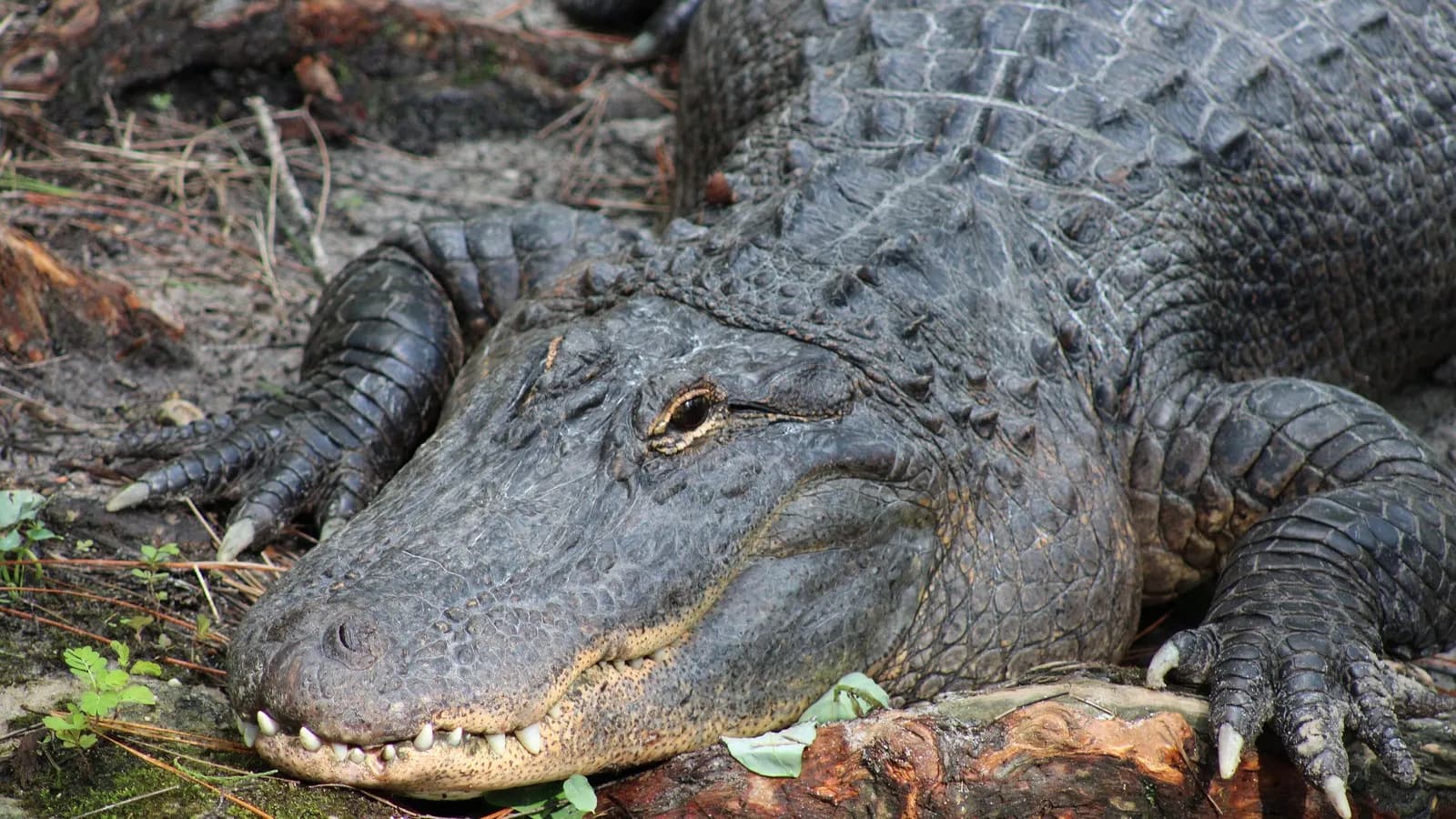
The American alligator is one of the great conservation recoveries. Hunted close to extinction by the middle of the twentieth century, protected from 1967, and by 1987 abundant enough that it no longer met the definition of an endangered or threatened species at all.
It is still on the list. It has been on the list for the thirty-nine years since, and the reason is one of the stranger provisions in American environmental law.
Threatened due to similarity of appearance
On 4 June 1987 the United States Fish and Wildlife Service reclassified the alligator across its whole range as threatened due to similarity of appearance, in the Federal Register at 52 FR 21063.
The Endangered Species Act allows this. Where a species that needs no protection is so hard to tell apart from one that does, the look-alike can be listed so that enforcement is possible. In the alligator's case the concern was hides. An alligator skin and an American crocodile skin, or the skin of several threatened crocodilians elsewhere in the world, are difficult to distinguish once tanned, and an unregulated alligator trade would have been a laundering channel for the others.
So the alligator stayed listed, not because it was in danger but because its skin could disguise the skin of something that was. The listing is what allows the trade in alligator products to be tracked and tagged under the international CITES system.
What that means in practice
Less than the word threatened suggests, and this is the point on which the current argument turns.
The listing does not stop Florida, Louisiana or Texas managing their alligators. State agencies run hunting seasons, nuisance removal programmes and farming under a special rule, issued under section 4(d) of the Act, that hands most day-to-day authority to the states. The Fish and Wildlife Service proposed amendments to that rule as recently as January 2021.
The federal layer is mostly about commerce: tagging, export, and the paper trail that keeps look-alike hides out of the market. It is a trade regulation wearing the vocabulary of a conservation emergency.
Why it is in the news
Because of a death, and a bill that followed it.
In June, Brittany Clark, a 31-year-old from Oviedo, was killed by a thirteen-foot alligator while swimming in the Econlockhatchee River north of Orlando. She was one of several people attacked in central Florida within a short span that month, and her death was the one that turned a bad summer into a political question.
In August, Representative Greg Steube of Florida introduced the Gathering Alligator Treatment, Oversight, and Response Act, the GATOR Act. What it actually does is modest and specific. It directs federal officials to study whether the similarity of appearance listing has, in practice, hindered the states' ability to remove nuisance alligators from private waterways, and whether it has contributed to the spread of invasive caimans.
It does not, on its own terms, change how any state currently manages a single animal. That is worth saying clearly, because the bill's name promises more than its text.
The honest assessment of the risk
Alligators kill people, rarely.
Florida has more than twenty million people who swim, fish, paddle and walk dogs beside alligator water every day, and in 2025 the state's wildlife commission recorded thirteen alligator attacks, two of them fatal. Florida has kept records since 1948, and the confirmed fatalities across that whole period are few enough to list by name. Most bites happen to people in or at the edge of the water, at dusk or after dark, often where alligators have been fed and have lost their wariness.
Which is why the response to a death in a river is complicated. Removing an animal after it has attacked is standard. Removing animals in advance from every waterway a person might enter is a different undertaking in a state where the waterways are the habitat, and the alligator's recovery is precisely why there are so many to remove.
The far more dangerous relative, and the animal responsible for a death at a wildlife park in Papua New Guinea this weekend, is covered in our report on the Port Moresby attack. The distinction between the two animals is not a technicality. It is most of the difference in how afraid to be. Our wider argument that the animals divers fear most are rarely the ones that hurt them is in the piece on sharks and the data.
Published in The Outspoken Digest
Editorial desk
Outspoken Digest News DeskReports for The Outspoken Digest across Latest Trends, Sports, Nutrition, Crypto.
Newsletter
The Digest, in your inbox
One edition, sent when it is ready. No noise, and your address is never passed on.
Read Next
More Latest Trends →
Houthi Missile Hits Aramco's Dhahran Headquarters as Saudi Arabia and Yemen's Rebels Trade Strikes
Oct 15, 2026/3 min read
Kimberly Guilfoyle Resigns as US Ambassador to Greece After the White House Asked Her to Go
Oct 15, 2026/2 min read
Two Cargo Ships Sink Near the Strait of Hormuz as Attacks on Shipping Surge
Oct 15, 2026/2 min read

Pope Leo XIV Has Lung Cancer, the Vatican Says, After Surgery to Remove Part of His Right Lung
Oct 15, 2026/2 min read