A Crocodile Keeper in Port Moresby Was Held in the Water for an Hour, and Died the Next Morning
A handler at Adventure Park in Papua New Guinea was seized at feeding time on Saturday and died at 7am on Sunday. Witnesses say his legs were in the animal's jaws for about an hour before help arrived.
Sunday, September 6, 2026/4 min read
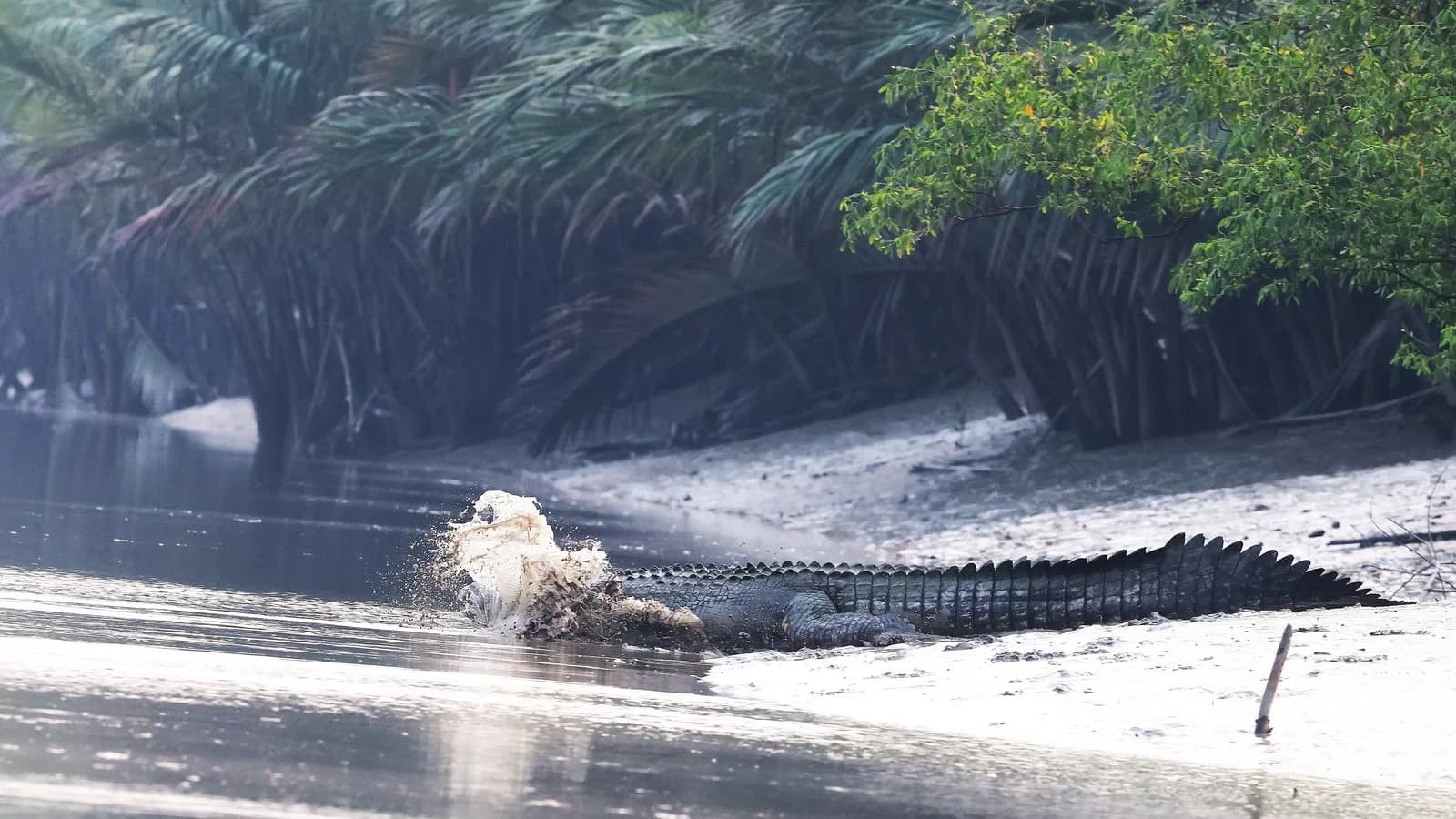
On Saturday afternoon a man walked to the fence of a crocodile enclosure at Adventure Park in Port Moresby carrying a chicken. He had done it many times. He had worked at the park for about two years.
The crocodile took him instead of the bird, dragged him into the water and held him there by the legs. According to people who watched it happen, it was roughly an hour before emergency services reached him. He lost a leg before he was taken to 3 Mile General Hospital, and he died there at 7am on Sunday. Police are reported to have shot the animal.
The park is closed until further notice. Staff were at the funeral home on Sunday.
What is known and what is not
The account above comes from Australia's ABC and from Australasian trade press, both drawing on witnesses at the scene, and it is consistent between them. The man has not been named. He was from the Western Islands in the north of the country. The species has not been formally stated, though in Port Moresby a large crocodile in a park enclosure is almost certainly a saltwater crocodile, Crocodylus porosus, which is the animal that dominates the coasts and rivers of Papua New Guinea.
One witness, Gibson John, told the ABC that the man was in severe pain but could not scream.
What is not yet known is why a routine feeding went wrong, whether the enclosure allowed a person to be pulled through or over a barrier, and why an hour passed before the man could be freed. Those are the questions an investigation exists to answer, and they are the ones that matter for every other keeper doing the same job.
The hour
It is the detail that stays with you and it is the one that needs explaining.
A saltwater crocodile's bite is a grip rather than a cut. The animal does not need to do anything further once it has hold, and it can hold indefinitely. Getting a person out of that grip without killing them is genuinely hard: the crocodile has to be made to release, which in practice means shooting it or forcing the jaws, and neither is something bystanders can do. A wildlife park is supposed to be the one place where the means to do it are already on site.
That an hour passed suggests they were not, or were not usable. It is the single most important fact for the inquiry.
Alligator or crocodile, and why it is not pedantry
Reports of this incident have circulated under both words, and the difference is worth a paragraph because it changes the assessment of risk.
American alligators, the animals of Florida and Louisiana, are large, capable of killing people, and do so rarely. They are generally less aggressive towards humans than the two big crocodile species, and Florida, the state with the most of them, recorded thirteen attacks in 2025, two of them fatal.
Saltwater crocodiles are different in temperament and in scale. They are the largest living reptile, they range across northern Australia, Papua New Guinea, Indonesia and beyond, and they treat a human in the water as prey in a way alligators mostly do not. Nile and saltwater crocodiles account for the overwhelming majority of fatal crocodilian attacks worldwide.
So an alligator attack and a saltwater crocodile attack are not the same story with different vocabulary. The legal oddity that keeps the American alligator on the United States threatened species list, purely because it looks like a crocodile, is the subject of a companion piece today.
Feeding as a spectacle
Crocodile feeding is a draw at wildlife parks across the region, and it is the moment of highest risk in the entire operation by a wide margin.
The animal has learned that a person at the fence means food. It is aroused, it is fast over short distances, and the keeper's hands are exactly where the food is. Parks that do this safely use pole feeding at distance, physical barriers between keeper and water, and a second person whose only job is to watch. Where those are absent the margin for error is the length of a crocodile's lunge.
None of that is a judgement on this park, whose procedures are not public. It is the standard against which the inquiry will measure what happened, and the reason the closure is the right immediate decision.
Our earlier reporting on why animals kept for a living keep killing the people who tend them, in a different industry, is in the piece on aquaculture diving. The pattern is the same: a routine task, a known hazard, and a rescue that could not be mounted in time.
Published in The Outspoken Digest
Editorial desk
Outspoken Digest News DeskReports for The Outspoken Digest across Latest Trends, Sports, Nutrition, Crypto.
Newsletter
The Digest, in your inbox
One edition, sent when it is ready. No noise, and your address is never passed on.
Read Next
More Latest Trends →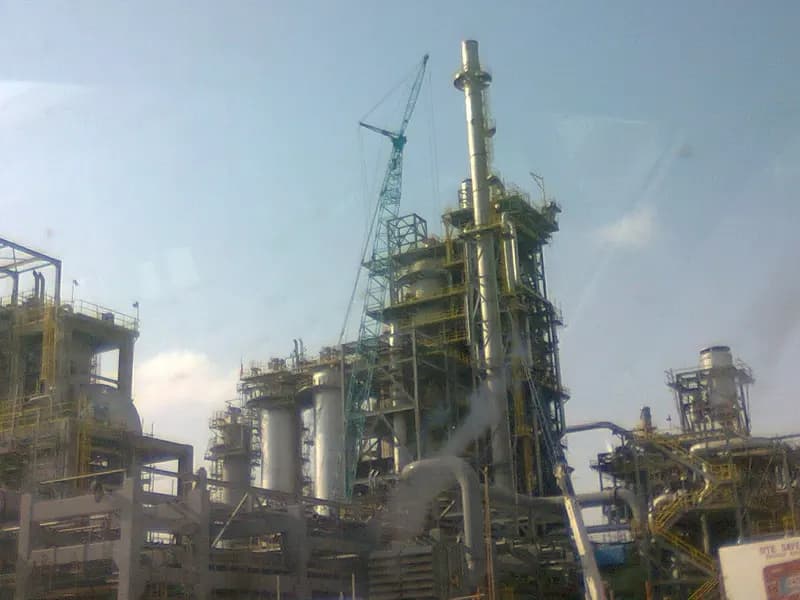
Houthi Missile Hits Aramco's Dhahran Headquarters as Saudi Arabia and Yemen's Rebels Trade Strikes
Oct 15, 2026/3 min read
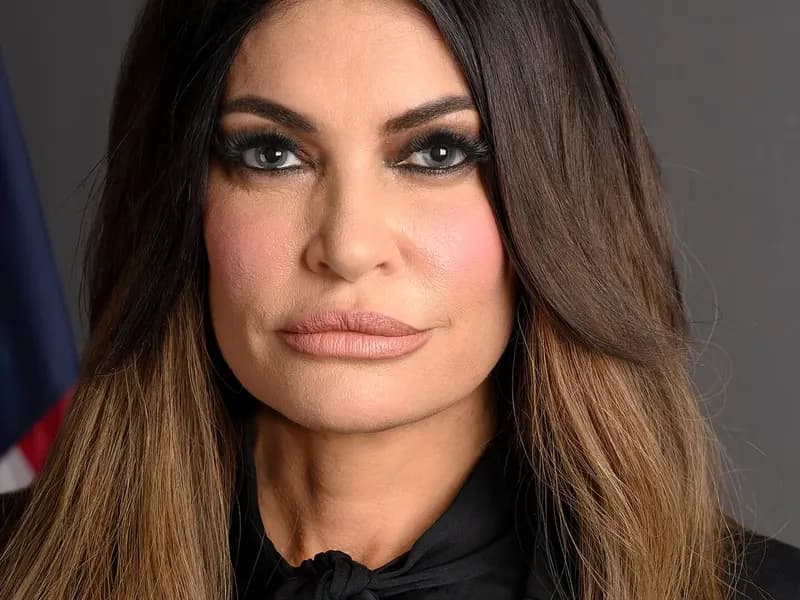
Kimberly Guilfoyle Resigns as US Ambassador to Greece After the White House Asked Her to Go
Oct 15, 2026/2 min read
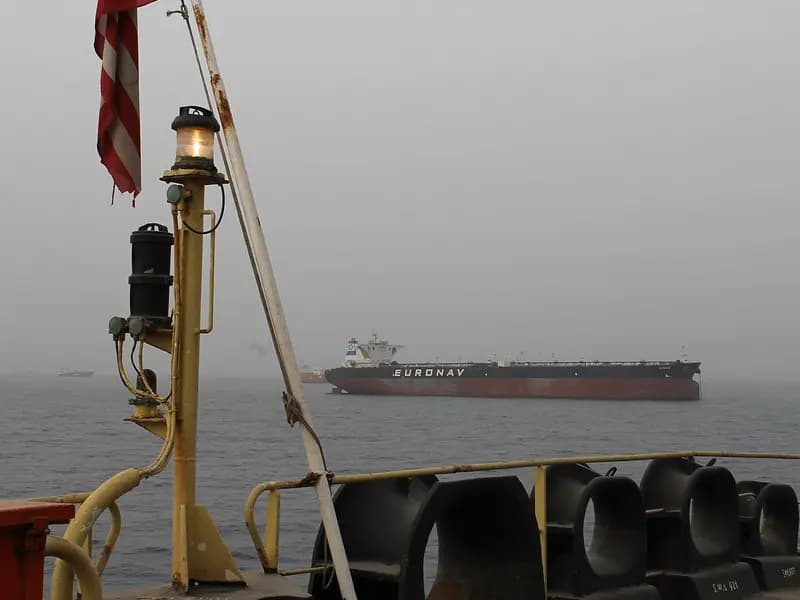
Two Cargo Ships Sink Near the Strait of Hormuz as Attacks on Shipping Surge
Oct 15, 2026/2 min read
Pope Leo XIV Has Lung Cancer, the Vatican Says, After Surgery to Remove Part of His Right Lung
Oct 15, 2026/2 min read