Fish Farm Diving Keeps Killing Divers. The Reasons Are Boringly Consistent
Malta, Chile, Norway, Scotland. Different species and different regulators, the same short list of causes: entanglement, working alone, depth creep, and a job nobody classified as commercial diving.
Wednesday, August 12, 2026/4 min read
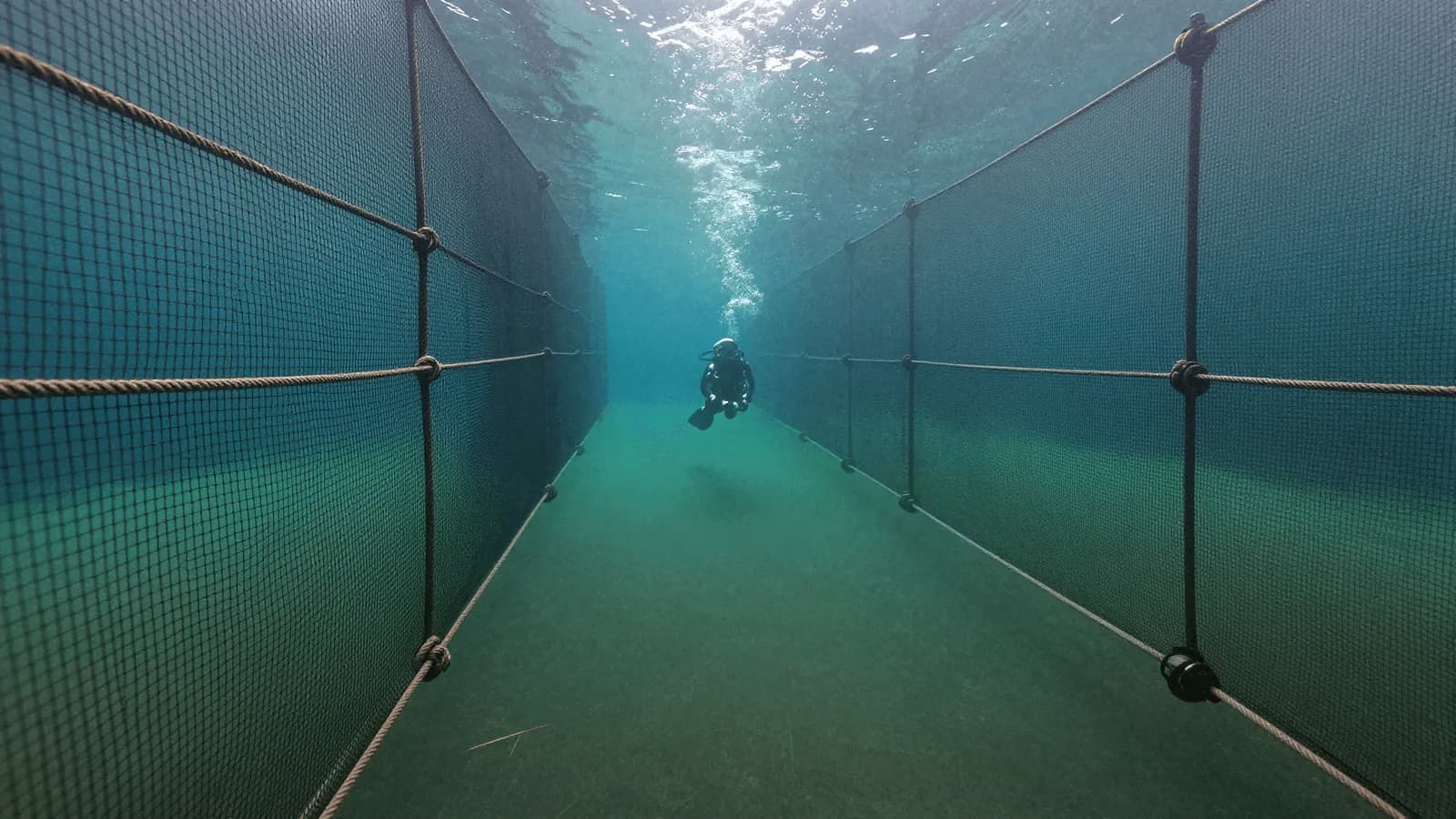
Every time a diver dies at a fish farm, the coverage treats it as a strange one-off. It is not. Aquaculture is one of the more dangerous places in the world to put a person underwater, and the reasons repeat across countries that share almost nothing else.
The death of a diver at a tuna farm off Malta this week, which investigators believe involved a 60kg fish caught on his equipment, is the most recent case. Chile has investigated a series of deaths at salmon sites. Norway and Scotland have both tightened rules after their own.
The environment is built out of snag hazards
A net pen is a structure made almost entirely of things designed to catch and hold: netting, predator nets, mooring lines, weight ropes, mort lines, feed pipes, lifting strops. A diver works inside that, often with poor visibility, often in current, often with fish moving around them.
Recreational diving spends a lot of effort keeping divers away from overhead environments and entanglement. Aquaculture diving puts the entanglement in the job description.
Entanglement itself rarely kills. What kills is entanglement plus one other thing: no free hand, no cutting tool within reach of the free hand, no buddy in position, or a gas supply that runs out during the struggle. The standard accident model calls this the difference between a trigger and a disabling agent, and it holds up here.
Working alone, or effectively alone
Sites run tight schedules and small teams. The formal requirement in most regimes is a supervisor on the surface and a standby diver ready to enter the water immediately. The reality on some sites is a diver in the water and a colleague also doing something else.
A buddy who is thirty metres away round the curve of a pen is not a buddy. The question that matters is how many seconds it takes for someone to reach you, and the honest answer at many farms is longer than your remaining consciousness.
The animals are not a footnote
Salmon are largely a nuisance. Tuna are not. A bluefin can weigh more than the diver, accelerate faster than any human can swim, and is entirely capable of taking equipment, and anything attached to it, somewhere the diver did not intend to go.
This is not the shark-attack fear that dominates public imagination and that we have argued is badly out of proportion to the data. It is a mundane physics problem: mass times acceleration, tied to a person.
Depth creep and repetitive profiles
Farm work is repetitive. Divers may make several descents a day, every day, often to depths in the twenty to forty metre band, frequently on air, sometimes with short surface intervals dictated by the work rather than by decompression theory.
That pattern is a decompression stress profile no recreational diver would accept, and it accumulates. Commercial regimes exist precisely to constrain it. Where the work sits in a regulatory gap, it does not get constrained.
The classification gap is the real scandal
Here is the structural problem. In several jurisdictions, farm diving has historically been treated as something less than full commercial diving, either through explicit exemptions for aquaculture or through the practical reality that nobody inspects it.
The consequences are predictable: recreational certifications used for occupational work, no surface-supplied gas, no dedicated standby diver, no diving supervisor with authority to stop the job, and no incident reporting that would let anyone see the pattern.
Chile responded to its cases with new legislation, and one death became the first real test of it. That is how this usually moves: a fatality, an inquiry, a rule.
What good practice looks like
None of the fixes are exotic. They are the ordinary commercial diving controls, applied honestly.
- A named diving supervisor at the surface whose only job is the dive, with the authority to stop work.
- A standby diver kitted and ready, not a colleague who could get ready.
- Surface-supplied gas with a bailout cylinder where the task allows it, rather than scuba.
- Two cutting tools, mounted so either hand can reach one.
- A hard rule against solo entry into pens, and a tether where the task permits.
- Task-specific risk assessment, particularly for anything involving hooks, lifting or livestock handling.
- Logged bottom times across the whole day, not per dive.
Why divers should care even if they never work
Because the recreational world borrows people from this one and lends people to it. Instructors take farm work in the off season. Farm divers take recreational courses to top up qualifications. The competence boundary is porous, and the assumption that a certification card covers a task is exactly how people end up doing occupational work on recreational training.
If you are asked to do paid underwater work, the question is not whether you can do the dive. It is whether the operation around you is built to get you out when the dive stops going to plan. Our guide to how scientific diving builds that structure is a reasonable model of what to look for.
The people who die at fish farms are usually competent divers. That is precisely the point.
Published in The Outspoken Digest
Editorial desk
Outspoken Digest Diving DeskCovers freediving, recreational and technical diving, dive medicine and the incidents the sport learns from.
Newsletter
The Digest, in your inbox
One edition, sent when it is ready. No noise, and your address is never passed on.
Read Next
More Diving →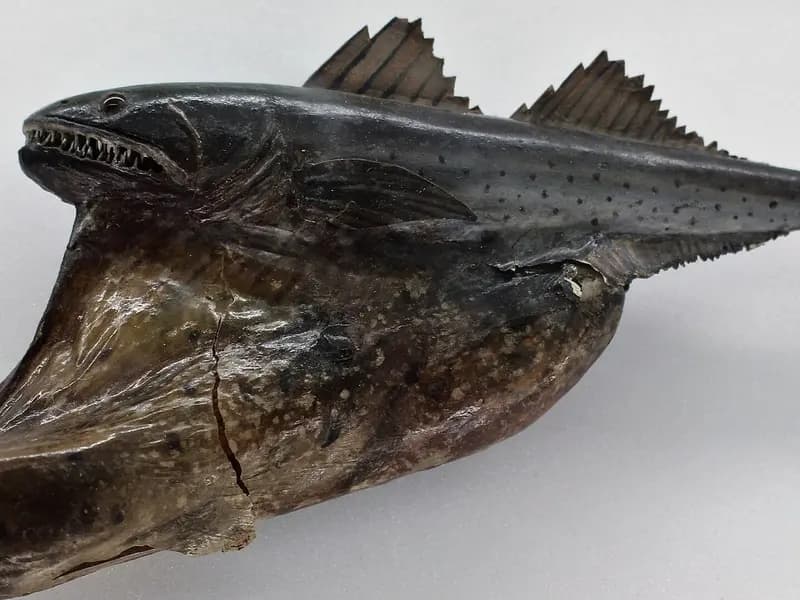
Black Swallower Filmed With a Hugely Swollen Belly 1,259 Metres Down Off Trinidad and Tobago
Oct 13, 2026/2 min read
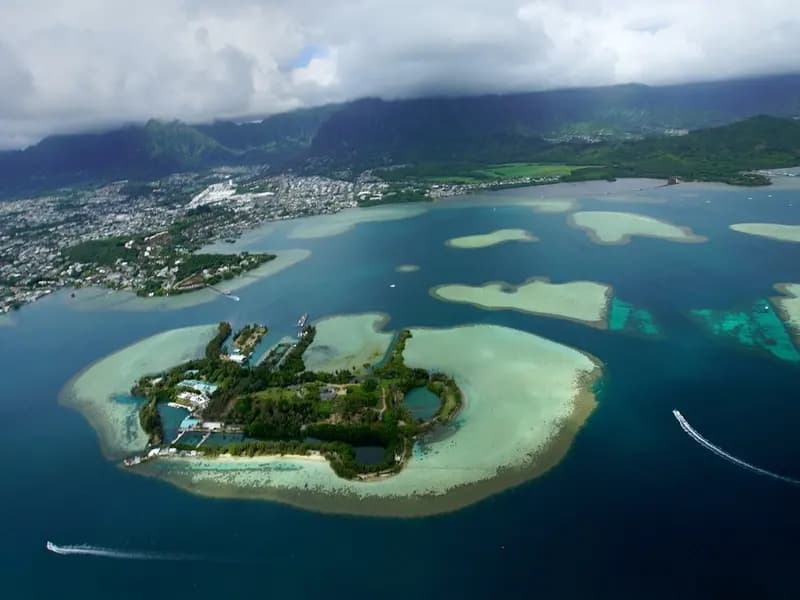
Playing Recordings of a Healthy Reef Drew More Coral and Fish Larvae to Artificial Structures Off Hawaii
Oct 9, 2026/3 min read
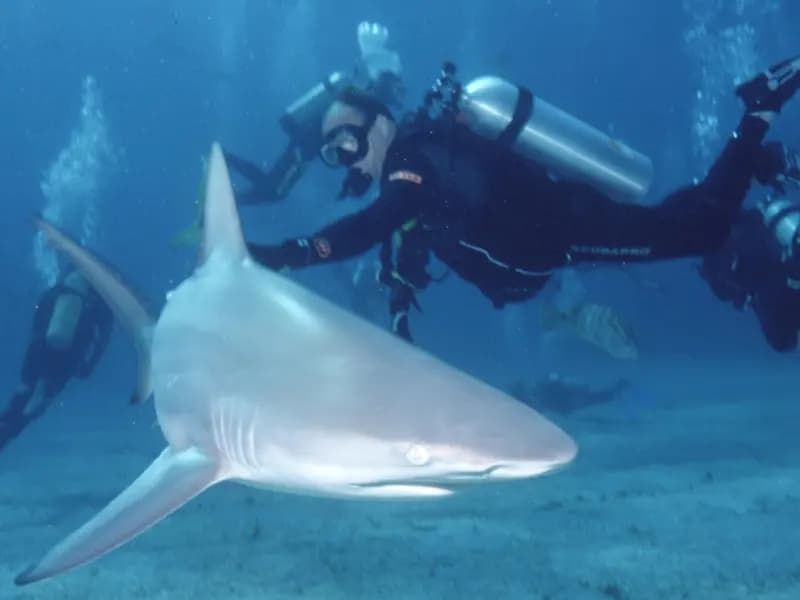
Blacktip Sharks Can Hear a Sound From Nearly 250 Feet Away and Swim Straight Toward or Away From It
Oct 1, 2026/2 min read
A Sea Turtle Species Never Recorded Nesting in the United States Laid Eggs on a Southern California Beach
Oct 1, 2026/2 min read