A Diver Died at a Malta Tuna Farm. Investigators Suspect a 60kg Fish
Redeemer Grima, 41, was working 30 metres down at a fish farm off St Paul's Islands when he drowned. His equipment was later found lodged in the mouth of a dead bluefin tuna.
Wednesday, August 12, 2026/4 min read
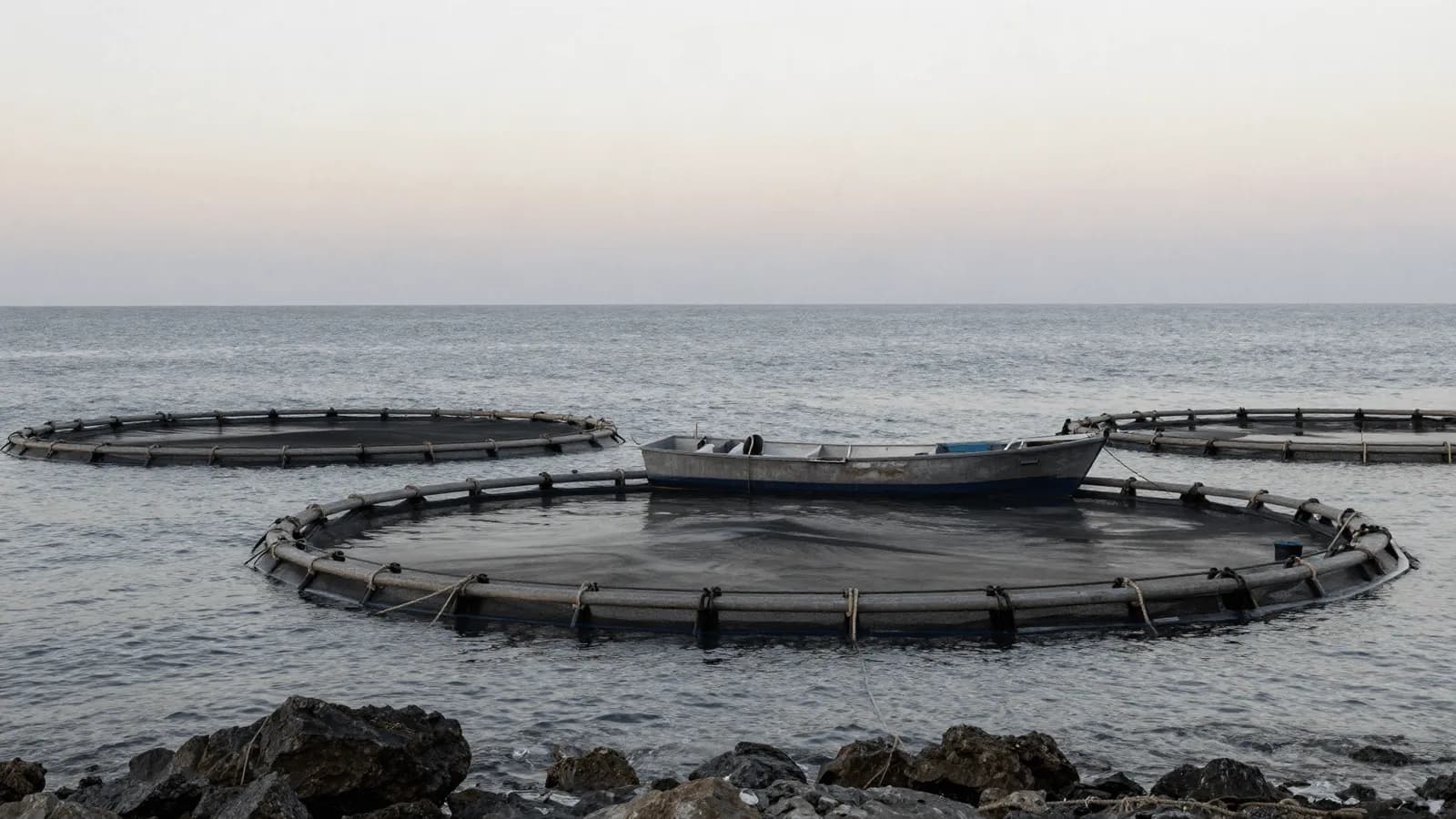
A professional diver died on Monday 10 August while working at a fish farm off St Paul's Islands, north of Malta. He has been named as Redeemer Grima, 41, from Rabat.
What investigators have said since is unusual enough that it has travelled well beyond the diving press. Grima's diving equipment was later recovered lodged in the mouth of a bluefin tuna of around 60kg, which was also found dead. A hook attached to his gear is believed to have caught the fish during the dive.
What is known
Grima entered the water at around 11am for routine work at the farm and was roughly 30 metres below the surface. He was found some 40 minutes after the dive began. He was not wearing his buoyancy control device and did not have his air tank.
His body was recovered by the Armed Forces of Malta and he was declared dead shortly after being brought ashore.
Investigators believe he may have removed or attempted to remove his equipment to avoid being dragged by the fish. A tuna of that size is not a curiosity. It is a powerful animal capable of accelerating hard in any direction, and a diver physically attached to one has very little say in where he goes.
That reading is a working hypothesis rather than a finding. A magisterial inquiry led by Magistrate Monica Borg Galea is under way, alongside the police and the Occupational Health and Safety Authority. Until it reports, the sequence remains provisional.
Why this is an occupational case, not a diving one
It matters that this was work. Grima was not a tourist on a guided dive. Aquaculture diving is commercial diving, and it carries a risk profile that recreational training does not prepare anyone for.
The hazards are specific. Divers work inside or alongside net pens containing thousands of large, fast, and in the case of tuna very heavy fish. There are mooring lines, mort lines, net panels, feed pipes and lifting gear. Tasks include net inspection, removing dead fish, and freeing snagged equipment, all of which put a person's hands and torso in close contact with things designed to hold.
Entanglement is the recurring theme across the sector. Chile, which farms salmon at industrial scale, has repeatedly investigated diver deaths at farming sites, including cases now handled by the navy and public prosecutors. The species and the geography change. The mechanism does not.
What separates a survivable entanglement from a fatal one is usually not strength. It is whether the diver can reach a cutting tool with the hand that is still free, whether a buddy is close enough to intervene within a breath-hold's worth of time, and whether the gas supply survives the struggle.
The equipment detail is the hardest part
The reported absence of the BCD and cylinder is the detail experienced divers keep returning to, because ditching your kit at 30 metres is not a small decision. It is what a person does when staying attached to it seems worse.
Removing a harness underwater is possible. Doing it calmly while being pulled by an animal several times your own power output, at a depth where a free ascent is already a serious event, is a different proposition. Anyone who has practised an out-of-air ascent in a pool knows how quickly the margin narrows when the plan changes.
We have written before about what a fast ascent does to the body, and it is worth understanding why the choice in front of him was so poor in every direction.
What an inquiry of this kind should establish
The useful questions are procedural, and they are the ones the OHSA will be asking.
- What was the dive plan, and was the task the one that had been planned?
- Was there surface supervision, and a standby diver ready to enter the water?
- Was the diver tethered or free-swimming, and was he working alone at depth?
- What cutting tools were carried, and where were they mounted?
- Why was a hook on the equipment at all, and was that a rigged tool or an incidental snag point?
- How long was it before anyone realised he was overdue?
Forty minutes is a long time for nobody to have positive contact with a working diver at 30 metres. Whether that reflects the site's procedures or the speed with which the event unfolded is exactly what an inquiry exists to determine.
A note on how this gets reported
The tuna is the reason this story spread. It should not become the reason the case is filed away as freak bad luck.
Freak events do happen underwater. But almost every diving fatality investigation finds that the dramatic element was the trigger rather than the cause, and that what killed the person was the absence of a workable response to it. We looked at that framework in detail in our piece on how fatality data is actually assembled.
A man went to work and did not come home. The most respectful thing the industry can do is find out precisely why, and change something.
Published in The Outspoken Digest
Editorial desk
Outspoken Digest Diving DeskCovers freediving, recreational and technical diving, dive medicine and the incidents the sport learns from.
Newsletter
The Digest, in your inbox
One edition, sent when it is ready. No noise, and your address is never passed on.
Read Next
More Diving →
Black Swallower Filmed With a Hugely Swollen Belly 1,259 Metres Down Off Trinidad and Tobago
Oct 13, 2026/2 min read
Playing Recordings of a Healthy Reef Drew More Coral and Fish Larvae to Artificial Structures Off Hawaii
Oct 9, 2026/3 min read
Blacktip Sharks Can Hear a Sound From Nearly 250 Feet Away and Swim Straight Toward or Away From It
Oct 1, 2026/2 min read
A Sea Turtle Species Never Recorded Nesting in the United States Laid Eggs on a Southern California Beach
Oct 1, 2026/2 min read