Decompression Sickness: What Happens in the Body, and Treatment
Divers call it the bends. Doctors call it decompression sickness. Here is what nitrogen bubbles actually do to tissue, and how hyperbaric treatment reverses it.
Wednesday, February 14, 2024/5 min read
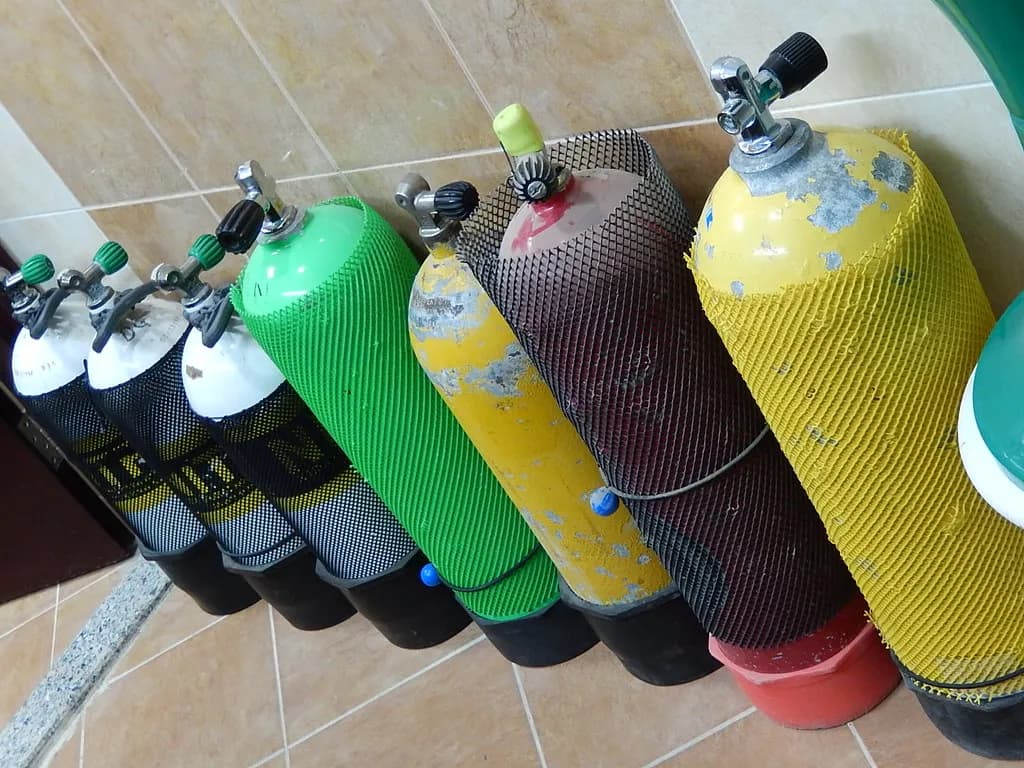
Ask a diver what they fear most and few will say sharks. They will say the bends: the ache that starts in a shoulder or a knee an hour after a boat ride home, quiet at first, then impossible to ignore. Decompression sickness has a folk name and a clinical one, and both describe the same event, gas that should have stayed dissolved in the body coming out of solution as bubbles.
It is not exotic. It is physics acting on blood and tissue, and it is treatable if it is recognised in time. The problem is that recognition is where things go wrong, because the early symptoms are easy to explain away as tiredness or a pulled muscle.
Here is what is actually happening, and what a hospital does about it.
What causes decompression sickness in divers
Underwater, a diver breathes gas at the same pressure as the surrounding water. Nitrogen, which makes up most of a normal breathing mix, dissolves into blood and tissue in proportion to that pressure, the deeper and longer the dive, the more nitrogen loads in. Ascending reverses the process, but if a diver comes up faster than the body can offload that gas through the lungs, dissolved nitrogen can come out of solution as bubbles, the same way opening a soda bottle releases the carbon dioxide that was dissolved under pressure.
According to Britannica's explanation of the condition, those bubbles can lodge in blood vessels, joints, the lymphatic system, and the nervous system, triggering an inflammatory response and, in serious cases, blocking blood flow to tissue that then starves of oxygen. Medical News Today's overview of decompression sickness notes that the nervous system is especially vulnerable because it is roughly 60 percent lipid by composition, and inert gas dissolves more readily into fat than into water. That is why spinal and cerebral cases can present with numbness, weakness, or personality change rather than simple joint pain.
What the symptoms actually feel like
Type I decompression sickness, the more common and less severe form, shows up as joint or limb pain, often described as a deep ache rather than a sharp one, along with fatigue, itching, or a mottled, marbled rash on the skin. Type II involves the nervous system or the inner ear and can bring numbness, tingling, difficulty with coordination, visual disturbance, vertigo, or in the worst cases paralysis and loss of consciousness. DAN World's page on decompression illness groups DCS together with arterial gas embolism under the broader term decompression illness, because the two conditions can look similar on presentation and both are medical emergencies that need the same first response.
Symptoms can appear within minutes of surfacing or take many hours to develop. That delay is precisely what makes the condition dangerous on liveaboards and remote dive trips, a diver can feel fine at the surface, sit through a meal, and only notice the ache once they are far from help.
How decompression sickness is treated
First aid begins with one thing: 100 percent oxygen, administered as soon as symptoms are suspected, whether or not the diagnosis is certain. High concentrations of oxygen widen the pressure gradient that pulls nitrogen out of tissue and into the lungs to be exhaled, and it also helps oxygenate tissue that bubbles may have starved of blood flow.
The definitive treatment is recompression in a hyperbaric chamber. As Scuba.com's explanation of hyperbaric treatment describes it, the chamber recreates the pressure of depth, which physically shrinks the bubbles and forces the gas back into solution, then the patient breathes pure oxygen while pressure is reduced in slow, controlled stages, often over several hours, following standardised medical protocols. This gives the body time to clear the dissolved gas gradually rather than releasing it all at once.
Recovery outcomes are generally best the sooner treatment starts, which is why divers and dive operators are trained to treat any suspicious symptom as an emergency rather than wait to see if it resolves on its own.
Why prevention still matters more than treatment
The accepted mitigation for decompression sickness is not clever, it is procedural: dive within no-decompression limits, ascend slowly, make a safety stop, avoid flying too soon after diving, and stay hydrated and reasonably fit. Divers Alert Network runs a 24 hour emergency hotline for exactly the moment when something has gone wrong anyway, because even careful divers can be caught by individual physiology, repetitive dive days, or unplanned fast ascents.
This article explains the underlying medicine as journalism, not instruction. Learning to plan dives within safe limits, and to recognise the early signs of decompression sickness in yourself or a buddy, is training that belongs with a certified instructor and a recognised diving agency, not a magazine feature.
Who is more likely to be affected
Not every diver who breaks a rule of thumb gets bent, and not every case follows a textbook profile that a diver could have predicted in advance, which is part of what makes the condition so unsettling. The eMedicineHealth guide to the bends notes that risk rises with deeper and longer dives, faster ascents, repetitive diving across a single day, flying too soon after a dive, older age, dehydration, and higher body fat, since nitrogen is more soluble in fatty tissue than in muscle. None of those factors guarantees an incident and none of their absence guarantees safety, they simply shift the odds, which is why the condition can occasionally catch a careful, experienced diver who did nothing that looked reckless.
That unpredictability is also why dive operators do not treat a report of joint pain or fatigue after a dive as something to wait out. Even a mild, ambiguous symptom is treated as a possible early sign, because the cost of being wrong in the cautious direction, giving oxygen and monitoring someone who turns out to be merely tired, is trivial next to the cost of being wrong in the other direction.
What a diver actually experiences during treatment
Patients inside a recompression chamber are not sedated for the procedure. They are conscious, breathing through a mask or hood connected to the chamber's oxygen supply, often with a chamber attendant inside with them monitoring vital signs and comfort throughout the multi-hour cycle. Ears need to be cleared during the pressurisation phase just as they would on an actual dive, and the slow depressurisation back to surface pressure is deliberately unhurried, since rushing that final stage would recreate the exact problem the treatment exists to fix.
Multiple treatment sessions are sometimes required for more serious cases, particularly where neurological symptoms were involved, with follow up sessions on subsequent days aimed at resolving residual symptoms rather than the acute emergency itself.
What has changed in recent years is less the treatment protocol and more the speed of recognition, better diver education, wider access to oxygen kits on boats, and closer relationships between dive operators and hyperbaric facilities are quietly doing what medicine alone cannot: getting people into a chamber before the bubbles do lasting damage.
Published in The Outspoken Digest
Editorial desk
Outspoken Digest Diving DeskCovers freediving, recreational and technical diving, dive medicine and the incidents the sport learns from.
Newsletter
The Digest, in your inbox
One edition, sent when it is ready. No noise, and your address is never passed on.
Read Next
More Diving →
Playing Recordings of a Healthy Reef Drew More Coral and Fish Larvae to Artificial Structures Off Hawaii
Oct 9, 2026/3 min read
Blacktip Sharks Can Hear a Sound From Nearly 250 Feet Away and Swim Straight Toward or Away From It
Oct 1, 2026/2 min read
A Sea Turtle Species Never Recorded Nesting in the United States Laid Eggs on a Southern California Beach
Oct 1, 2026/2 min read
Marine Surveyors Confirmed Living Coral Off Benin, More Than Sixty Years After the Reef Was Presumed Dead
Sep 29, 2026/2 min read