Aramco's $67.2bn Half Year Was Built on a Supply Shock
Profit rose 29 percent as Hormuz disruption pushed crude to $108 a barrel in the second quarter. The number says more about the strait than about the company.
Outspoken Digest Business Desk
Thursday, August 6, 2026/4 min read
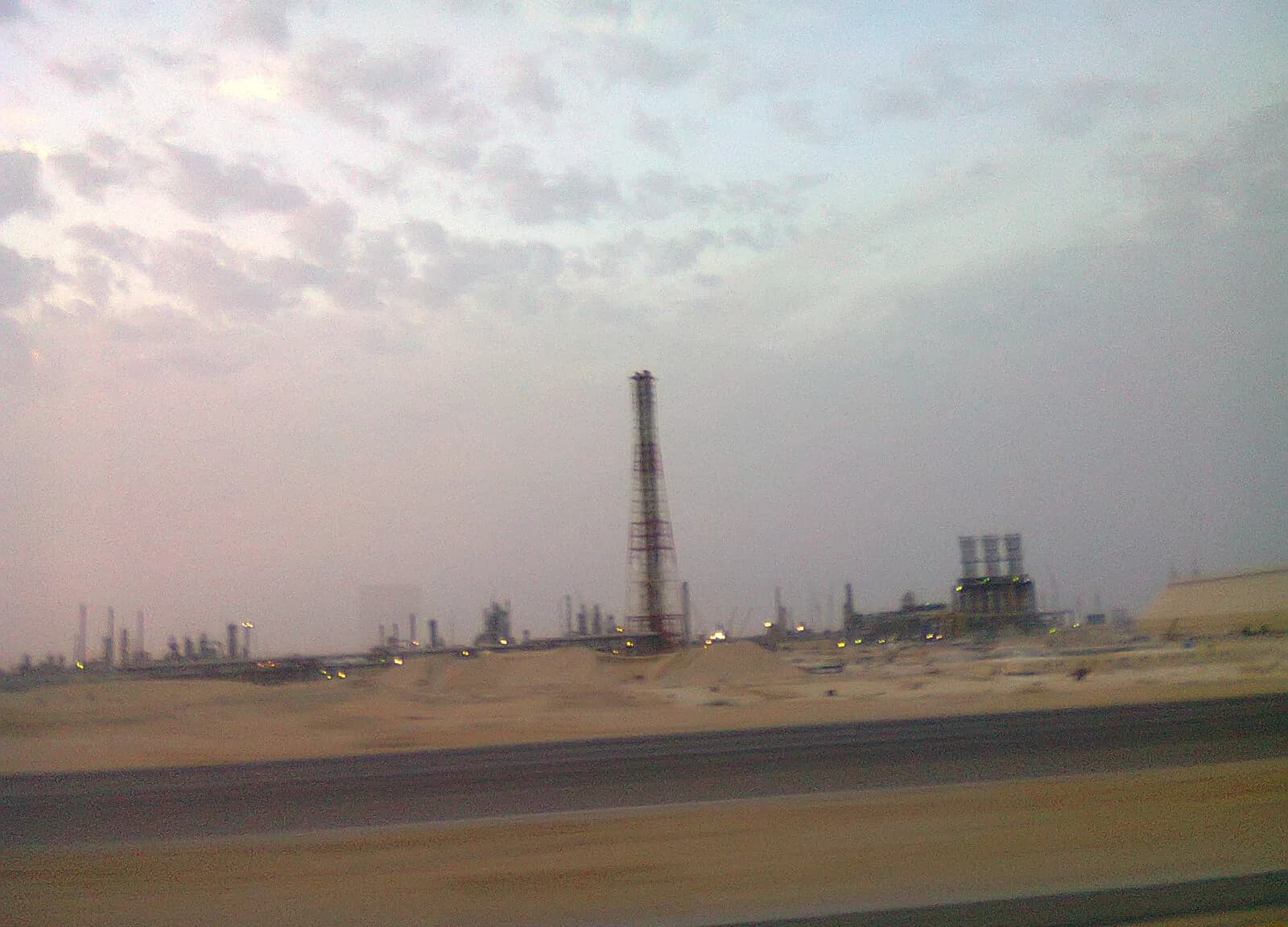
Oil companies do not usually get to choose the year they have. Aramco has just reported a very good one, and almost none of the reason for it happened inside Aramco.
The company presented first half 2026 results on 4 August, reporting adjusted net income of $67.2 billion, up 29 percent year on year. The board approved a second quarter base dividend of $21.9 billion, payable on 27 August, itself up 3.5 percent on the same quarter last year.
Those are the headline numbers. The number that explains them is $108.1, the average price a barrel of crude fetched in the second quarter, and the reason it got there is a strait roughly 33 kilometres wide at its narrowest point.
What actually drove the Aramco H1 2026 result
The prolonged disruption around the Strait of Hormuz created supply constraints that pushed crude prices sharply higher through the second quarter, as Investing.com noted in its summary of the results presentation.
For a producer with Aramco's cost base, a price move of that size passes almost undiluted to the bottom line. The company's lifting costs are among the lowest in the industry, which means the gap between what a barrel costs to produce and what it sells for widens dramatically when the market panics.
This is the part of oil economics that gets flattened in headlines. A 29 percent profit increase is not evidence that a company has become 29 percent better at anything. It is evidence that the commodity it sells repriced, for reasons largely outside its control, and that its cost structure let it keep most of the difference.
Why the dividend matters more than the profit
For Saudi Arabia, the dividend line is the one that feeds directly into national accounts. The state remains the overwhelming majority shareholder, so Aramco's distributions are a substantial input to the budget that funds Vision 2030 programmes.
The base dividend of $21.9 billion for the quarter, reported in Saudi terms as SAR82.1 billion by Business Today Middle East, rose only 3.5 percent year on year, which is a much smaller move than the 29 percent profit increase.
That gap is deliberate and it is the interesting signal in the release. A company that believed high prices were durable would have more reason to raise distributions aggressively. A base dividend that grows in low single digits while profit grows in high double digits is a company treating the price environment as a windfall rather than a new baseline.
The problem with a good year like this one
A supply shock is a poor foundation for planning, for three reasons that the Gulf's economic strategists understand better than most.
The first is that it reverses. Prices driven by a disruption to transit rather than by demand growth fall back when the disruption eases, and the fall can be faster than the rise.
The second is that high prices are the most reliable accelerant for substitution. Every quarter that crude spends above $100 improves the economics of efficiency, electrification and alternative supply, and some of that investment does not unwind when the price does.
The third is that a windfall driven by regional risk sits awkwardly beside a diversification programme premised on the region being a stable place to invest. The same instability that lifts the earnings raises the risk premium on everything else being built.
What this says about Gulf diversification
There is a version of this story where a very large oil profit reads as an argument against diversification. It is the wrong reading.
The case for building a non-oil economy has never been that oil is unprofitable. It is that oil revenue is volatile and arrives on a schedule set by other people's conflicts. A half year like this one, where the profit swing traces to a shipping chokepoint rather than to anything the producer did, is the argument for diversification stated with unusual clarity.
Regional forecasters have been making a related point about the wider Gulf economy, with growth projections for 2026 sitting in the low-to-mid single digits and a stronger rebound expected once the disruption unwinds. Those are forecasts about recovery from a shock, not about a boom.
What to watch from here
Three things will tell you more than the next earnings headline.
Watch whether the base dividend keeps growing modestly or whether performance-linked distributions return at scale, because that is management stating publicly what it thinks the price will do.
Watch capital expenditure, and specifically whether the windfall funds upstream capacity, downstream and chemicals, or the gas programme. Where a producer spends a windfall is a forecast in itself.
And watch the strait. Everything above is a second-order consequence of whether ships move normally through it.
Aramco has just had the kind of half year that makes a company look invincible. The more useful way to read it is as a very expensive reminder of how much of the Gulf's income still depends on a narrow stretch of water staying open.
Published in The Outspoken Digest
Editorial desk
Outspoken Digest Business DeskCompanies, markets and the money moving through the region.
Newsletter
The Digest, in your inbox
One edition, sent when it is ready. No noise, and your address is never passed on.
Read Next
More Business →
Wall Street Week Ahead: A Fed Decision on Wednesday, Alphabet, Microsoft and Amazon Report, and Oil Near $117
Oct 26, 2026/2 min read

Dow Sheds More Than 600 Points as Brent Passes $116 and Houthi Attacks Rattle Wall Street
Oct 24, 2026/2 min read
Meta Reports $64.6 Billion Revenue and Negative Free Cash Flow, and Plans a New Class of Non-Voting Shares
Oct 23, 2026/2 min read

Nasdaq Falls 2.6% and Chip Stocks Plunge as Brent Oil Jumps to $113 and Treasury Yields Slide
Oct 23, 2026/2 min read