The 2024 Bitcoin Halving: Hype Versus What Actually Happened
Bitcoin's fourth halving cut miner rewards in half overnight. Months of doomsday and moonshot forecasts met a much quieter, messier reality.
Outspoken Digest Technology Desk
Tuesday, April 23, 2024/4 min read
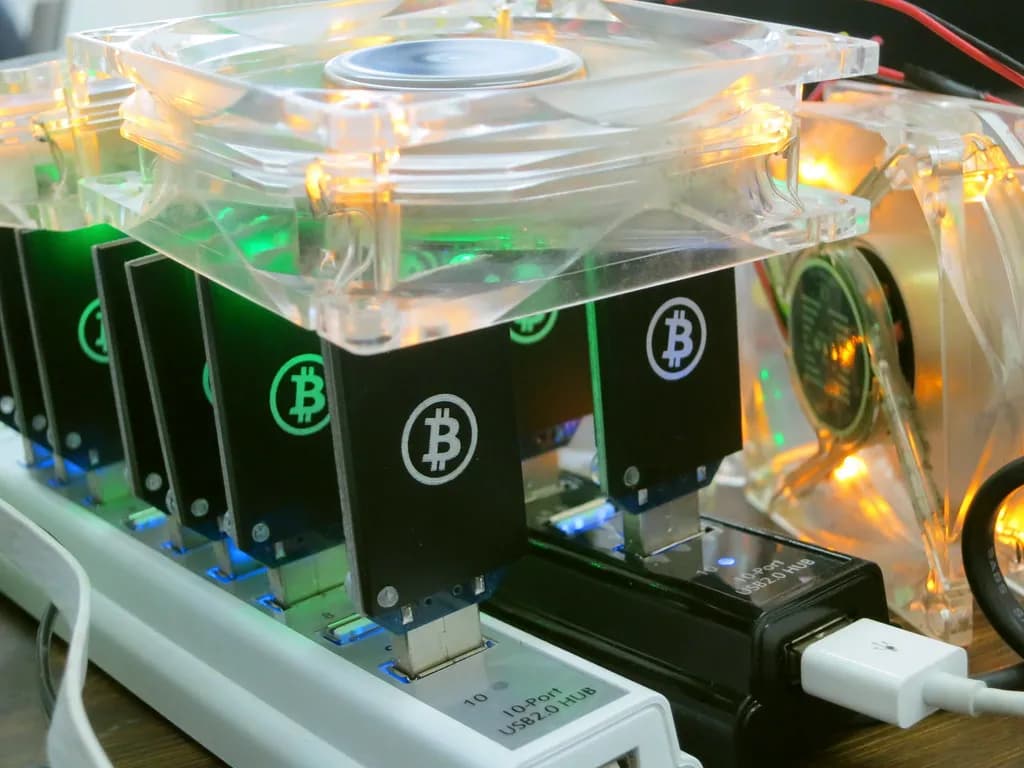
Somewhere around block 840,000, a line of code did what it was always going to do. On April 19, the reward paid to Bitcoin miners for confirming a block fell from 6.25 BTC to 3.125 BTC, a scheduled halving that has now happened four times since the network launched in 2009. Nothing broke. No alarms sounded. The blockchain just kept producing blocks, only paying half as much for each one.
That quiet is worth sitting with, because the run-up to the halving was anything but quiet. Podcasts, YouTube thumbnails and crypto Twitter had spent months framing April 19 as a hinge point for the entire asset class, the moment supply tightened and price was supposed to take off. Reality, as usual, moved on its own schedule.
What actually changes when Bitcoin halves?
The mechanics are simple even if the consequences are not. Bitcoin's supply schedule was fixed at launch: new coins enter circulation only as a mining reward, and that reward is cut in half every 210,000 blocks, roughly every four years. This is the fourth such event, and it will keep happening until the last fractional satoshi is mined sometime around 2140.
The immediate effect lands on miners, not holders. According to Bitcoin Magazine's analysis, the halving instantly cuts the primary revenue line for every mining operation on earth, forcing the least efficient rigs to either go offline or start losing money on every block they help confirm.
Did price actually spike the way the hype promised?
Not on the day, and not in the way the loudest forecasts implied. Bitcoin had already run hard into the halving, up more than 250 percent from the start of the fourth quarter of 2023 through the end of the first quarter of 2024, a rally that had far more to do with January's spot ETF approvals pulling in fresh institutional money than with anticipation of the halving itself.
By the time April 19 actually arrived, price barely moved. The "halving pump" so many traders had positioned for turned out to have already happened, months earlier, for a different reason. Grayscale's research team called this dynamic explicitly in a note titled "This Time It's Actually Different", arguing that ETF flows had scrambled the usual halving playbook.
What happened to miners after the reward cut?
The squeeze on miners was real but not the bloodbath some predicted. Network hashrate, the total computing power securing the chain, had already climbed 104 percent over the prior year and kept climbing after the halving, according to data compiled by Hashrate Index. That is counterintuitive on its face: if the reward per block just got cut in half, why would miners keep adding more machines?
The answer is that larger, more efficient operations used the moment to push smaller and older rigs out of the network entirely, buying up cheap power contracts and older facilities while marginal miners shut down. Luxor's Hashrate Index research team estimated that between 3 and 16 percent of total hashrate could go offline depending on where price settled in the weeks after the event, a consolidation rather than a collapse.
Did the spot ETFs change how the halving played out?
Yes, in a way past halvings never experienced. BlackRock and Fidelity had been steadily accumulating Bitcoin for their new ETFs in the weeks leading into April 19, effectively buying up a meaningful share of new supply at the exact moment the network's own issuance was about to get cut in half. Some analysts, in a note flagged by Forbes, argued this created a genuine supply squeeze setup distinct from any previous cycle, since past halvings never coincided with a brand new, multi-billion dollar buying channel ramping up at the same time.
That overlap is also why untangling the halving effect from the ETF effect in the 2024 price data is close to impossible. The two forces hit the market in the same quarter, pulling in the same direction, and no trader has a clean way to separate how much of the rally belongs to each.
So was the halving hype justified?
Partly, and mostly for the wrong reasons. The halving did what it always does: it made new bitcoin scarcer and made mining a tougher business for anyone running on thin margins. What it did not do was single-handedly move price on the day itself, because the market had already spent the ETF-fueled first quarter pricing in most of the scarcity story ahead of time.
The more interesting halving story in 2024 was not a chart spike but a structural one, a mining industry getting leaner and more institutional, and a market that had already learned to trade the narrative before the event rather than during it. The next halving is not due until roughly 2028. Whatever happens then, expect the hype cycle to start early again, and the actual news to be quieter than advertised.
What do miners themselves say about the transition?
Publicly traded mining companies spent the first quarter of the year telling investors the same thing in earnings calls and shareholder letters: efficiency now matters more than raw scale. Firms running older-generation machines faced a stark choice, upgrade hardware to squeeze more hashes out of the same electricity bill, or accept thinner margins until the next bull run bailed them out. Analysts tracking the sector pointed to a wave of quiet consolidation through the quarter, with better-capitalized miners buying distressed facilities from smaller operators who could no longer make the math work.
That consolidation is the least visible part of the halving story but arguably the most consequential. Bitcoin's security depends on a wide, competitive base of miners, and each halving nudges the industry a little further toward a smaller group of large, well-financed operators who can absorb a reward cut that would sink a smaller shop.
Published in The Outspoken Digest
Editorial desk
Outspoken Digest Technology DeskSoftware, hardware, artificial intelligence and what they change for everyone else.
Newsletter
The Digest, in your inbox
One edition, sent when it is ready. No noise, and your address is never passed on.
Read Next
More Crypto →
ESMA Tells Licensed Crypto Firms to Stop Serving Non-MiCA Stablecoins and Gives Them Three Months to Unwind
Oct 9, 2026/2 min read

The UK's FCA Opened Its Crypto Authorisation Gateway, Starting the Clock on a New 2027 Regime
Oct 1, 2026/2 min read

Vitalik Buterin Set Out a 2030 Vision for Ethereum as a 'Cryptographic World Computer'
Sep 29, 2026/3 min read
The Federal Reserve Proposed Capital and Reserve Rules for Stablecoin Issuers Under the GENIUS Act
Sep 27, 2026/2 min read