BMJ Analysis Warns Fast-Growing Private Testosterone Prescribing Could Land on the NHS
Two UK clinicians say subscription clinics may be treating vague symptoms and borderline blood tests, leaving the health service to monitor patients it never diagnosed.
Wednesday, October 14, 2026/2 min read
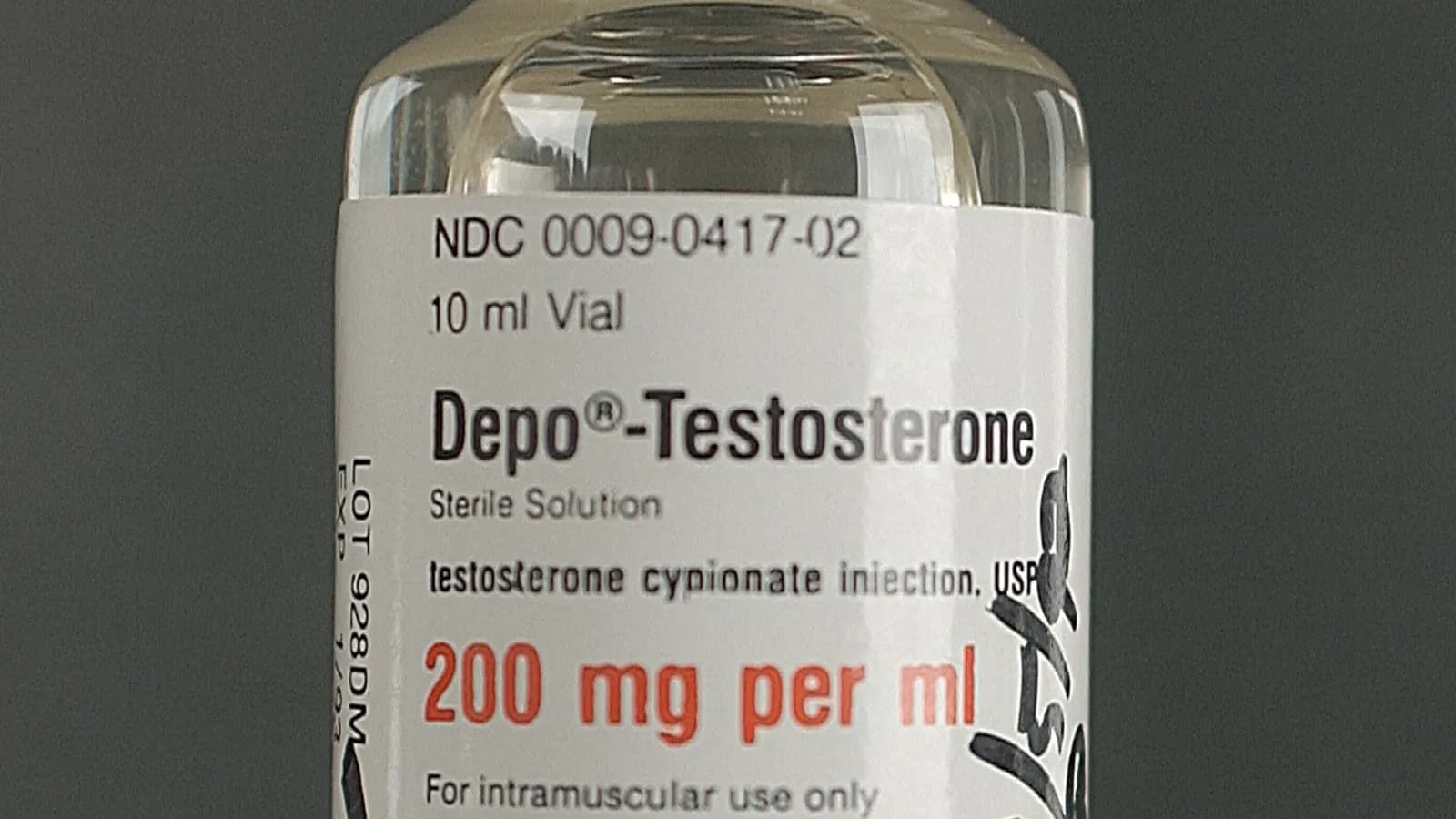
Testosterone has become a subscription product. In the United Kingdom, private and online clinics now sell it for roughly 100 to 375 pounds a month, advertised on social media, through influencers and on outdoor posters, and nobody keeps a national count of how many people are on it. A new analysis in The BMJ by Stephen Atkin and Eric Kilpatrick argues that the gap matters, as News-Medical summarised on Wednesday.
The authors do not argue against treatment. They say testosterone replacement remains valuable for carefully selected patients. Their worry is who is being selected.
What does the BMJ analysis say about testosterone prescribing?
Atkin and Kilpatrick say rapid growth in private prescribing may be stretching treatment from men with a clear need to people with non-specific symptoms and borderline test results, for whom the balance of benefit and long-term risk is less certain. Diagnosis takes time and repeated testing, and it is not established how consistently private providers do either. They call rapid-access subscription models unsuitable for the complexity of diagnosis.
The numbers they cite: NHS community dispensing rose 52 percent between 2020/21 and 2024/25, and prescriptions of testosterone gel for women aged 50 and over in England rose about tenfold between 2015 and 2022. The UK market was valued at about 205 million dollars in 2024 and is projected to reach 365 million by 2032. Private prescriptions are not recorded nationally, so those figures understate the picture by an unknown amount.
The gel trend predates the analysis. The Pharmaceutical Journal reported in 2023 that women aged 50 and over receiving NHS testosterone gel rose from 429 in November 2015 to 4,675 in November 2022, and that no testosterone product is licensed for women in the UK.
Who ends up carrying the follow-up?
Official guidance puts responsibility on the private clinician who starts treatment unless an NHS GP formally agrees to share care. In practice, the authors say, patients often return to their GP informally for blood tests or to manage side effects, so the NHS takes on the work without any agreement. They flag longer-term heart and kidney problems that need ongoing monitoring, and note that professional societies use different thresholds for treating men, so GPs may meet patients who began therapy under a more permissive private cut-off.
Up to a fifth of men over 50 may report symptoms of deficiency, the authors write, yet fewer than 1 percent receive NHS treatment, which helps explain why demand has gone private.
What do the authors want changed?
They want national data on private prescribing and a reporting framework for private prescribers and dispensing pharmacies that captures the reason for treatment, patient numbers, monitoring and transfers of care.
This article is reporting, not medical advice. Falling testosterone and libido are part of normal ageing, and anyone worried about symptoms, or thinking about starting or stopping testosterone, should talk to a clinician who knows their history, including any heart, blood or fertility concerns. The analysis is a viewpoint built on prescribing data, not a trial, and the evidence needed to settle the question is national data on who is treated and what happens to them.
Published in The Outspoken Digest
Editorial desk
Outspoken Digest Health DeskMedicine, public health and the research behind the headlines, read carefully.
Newsletter
The Digest, in your inbox
One edition, sent when it is ready. No noise, and your address is never passed on.
Read Next
More Health →
Cochrane Review Finds Medical Cannabis Has No Clear Benefit for Insomnia, With Weak Evidence Either Way
Oct 13, 2026/2 min read

Lancet Commission Names 17 Threats to Global Health Through 2100, With Obesity the Largest by Burden
Oct 12, 2026/2 min read

FDA Approves Pritelivir for Herpes Lesions That Resist Standard Antivirals in Immunocompromised Adults
Oct 10, 2026/2 min read