The Bundibugyo Ebola Outbreak Is a Warning About Health Systems, Not a Reason for Panic
WHO reports sustained transmission in the Democratic Republic of the Congo while Uganda begins enhanced surveillance. Clear facts matter more than fear.
Friday, July 31, 2026/2 min read
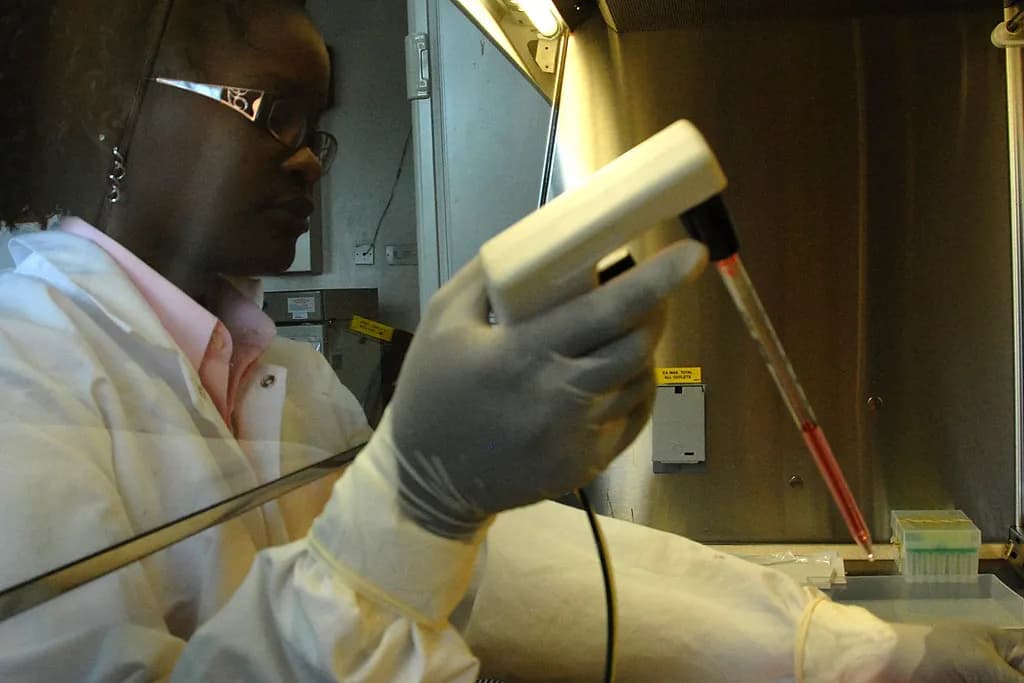
The active Bundibugyo virus disease outbreak in the Democratic Republic of the Congo is serious, but public understanding must begin with how Ebola actually spreads. It is not transmitted through casual airborne contact in the way influenza is. Infection is associated with direct contact with the blood or other body fluids of a sick or deceased person, contaminated materials, or infected animals.
In its 17 July disease outbreak update, the World Health Organization reported sustained transmission across multiple health zones in the DRC, while Uganda had reported no new case since 21 June and entered a period of enhanced surveillance. Internationally treated humanitarian workers underline occupational risk, not uncontrolled community spread around the world.
What Bundibugyo virus disease is
Bundibugyo virus is one of the viruses that can cause Ebola disease. Early symptoms can resemble other infections: fever, fatigue, muscle pain, headache and sore throat. Vomiting, diarrhea, rash and impaired organ function may follow. Some patients bleed, but dramatic bleeding is not present in every case.
The WHO Ebola fact sheet emphasizes early supportive care, infection prevention and safe management of suspected cases. Survival improves when patients receive timely fluids, symptom management and appropriate clinical care.
Why conflict makes outbreak control harder
Outbreak response depends on trust, transport, laboratories, protective equipment, safe clinical spaces and rapid communication. Conflict can damage all of them. Displacement moves people away from familiar health services. Insecurity restricts response teams. Overcrowded shelters increase exposure to many diseases, while rumors can discourage testing or safe burial practices.
A growing case count can also reflect better surveillance and the clearing of testing backlogs, not only infections acquired that day. That is why dates, locations and methods in official reports matter more than a frightening total circulating without context.
Health workers carry exceptional risk
Clinicians, ambulance teams, laboratory staff and caregivers can be exposed before a case is recognized. Infection prevention is therefore a system, not merely a suit. It requires triage, hand hygiene, correctly fitted protective equipment, safe removal procedures, waste management, environmental cleaning and enough staffing to prevent exhaustion.
Communities are equally important. People must know where to seek care without fearing punishment or abandonment. Safe and dignified burials, contact follow-up and clear communication work only when local leaders and families are treated as partners.
What travelers should know
Most travelers face low risk unless they enter an affected area and have direct exposure to a symptomatic person, body fluids, healthcare settings or unsafe funeral practices. Travelers should follow official advisories, avoid contact with sick or dead animals, seek medical advice promptly after a relevant exposure and provide an accurate travel history.
Screening and surveillance can identify risk, but indiscriminate stigma harms response. A person from a large country or region is not a danger because of nationality. The meaningful questions concern specific travel, symptoms and contact.
The wider lesson
The outbreak shows why routine health capacity matters between emergencies. Laboratories, trained staff, paid community workers and dependable clinics cannot be improvised after cases accelerate. Investment made during quiet periods determines whether a future outbreak is contained quickly or allowed to grow.
The correct response is attention without panic: support affected communities, rely on public-health authorities, protect frontline workers and reject sensational claims. Fear travels faster than a virus; accurate information helps ensure that it does not travel farther.
Published in The Outspoken Digest
Editorial desk
Outspoken Digest Health DeskMedicine, public health and the research behind the headlines, read carefully.
Newsletter
The Digest, in your inbox
One edition, sent when it is ready. No noise, and your address is never passed on.
Read Next
More Health →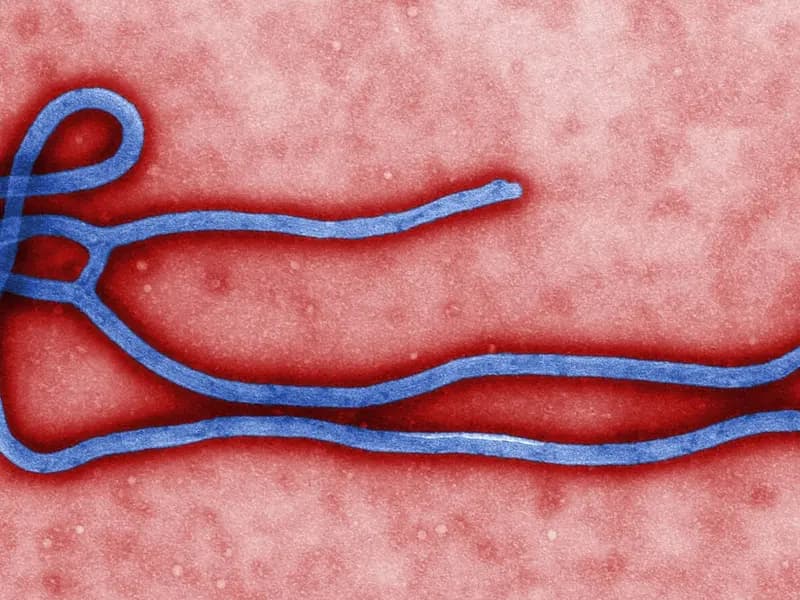
Kenya's Ebola Count Rises to Seven After Three Health Workers Who Treated the First Patient Test Positive
Oct 17, 2026/2 min read
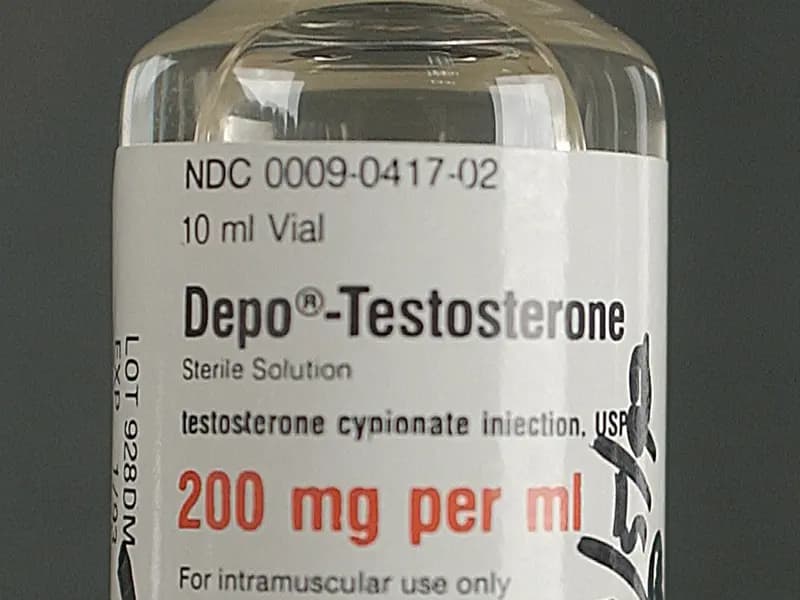
BMJ Analysis Warns Fast-Growing Private Testosterone Prescribing Could Land on the NHS
Oct 14, 2026/2 min read
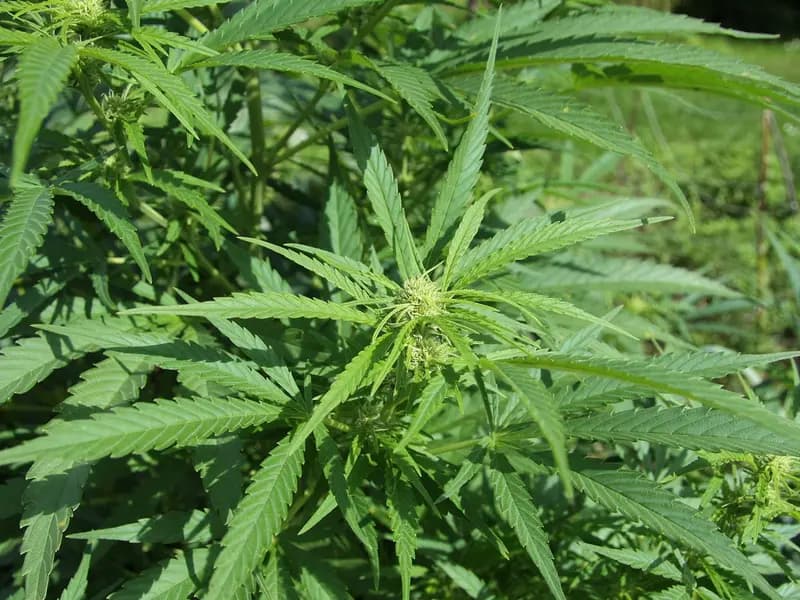
Cochrane Review Finds Medical Cannabis Has No Clear Benefit for Insomnia, With Weak Evidence Either Way
Oct 13, 2026/2 min read

Lancet Commission Names 17 Threats to Global Health Through 2100, With Obesity the Largest by Burden
Oct 12, 2026/2 min read