Oxford and Moderna Bundibugyo Ebola Vaccines Will Join the Tumaini Trial as Congo's Outbreak Passes 10,500 Cases
WHO advisers picked two candidates built for the Bundibugyo species, the first to be tested in an outbreak, as the death toll in Ituri and beyond passed 5,000 and ring vaccination widens.
Friday, November 6, 2026/2 min read
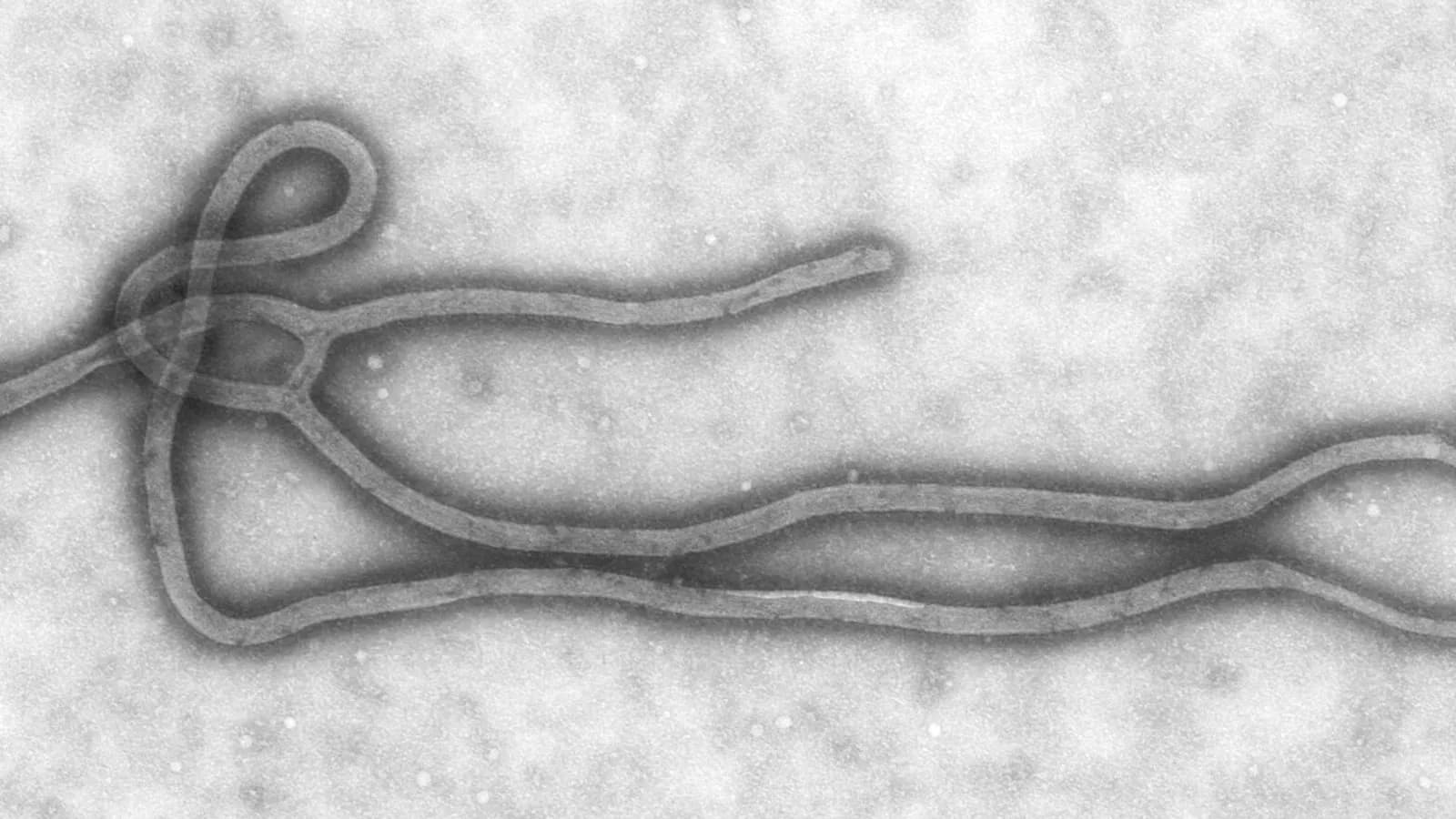
For almost six months, the doctors fighting Bundibugyo Ebola in eastern Congo have worked without an approved vaccine or a specific treatment. This week the World Health Organization named the first two vaccines made for this particular virus that will be tested while the outbreak is still running.
The decision, announced on 4 November and reported by UN News on 5 November, adds an Oxford candidate and a Moderna candidate to a trial that opened last month. It comes as the outbreak, already the largest in the country's history, stands at more than 10,500 confirmed cases and 5,126 deaths as of 1 November.
Which vaccines are joining the Tumaini trial?
The two candidates are ChAdOx1, developed by the University of Oxford with the Serum Institute of India, and mRNA-1469, from Moderna. WHO's independent Technical Advisory Group on Candidate Vaccines Prioritization recommended them, and UN News says this will be the first time vaccines designed specifically for the Bundibugyo species are evaluated during an outbreak. Both can join only after national approvals.
WHO Director-General Tedros Adhanom Ghebreyesus said their readiness reflects the power of science and partnership, and cautioned that vaccines alone will not end the outbreak but could become a powerful new tool for bringing it under control.
How does the trial work?
The trial is named Tumaini, the Swahili word for hope. It began enrolling in Bunia, in Ituri province, on 23 October, according to WHO's disease outbreak news of that date, and it tests several candidates in one study using ring vaccination: vaccinating the contacts of confirmed cases. UN News says four rings were set up at the start with more in preparation. Ervebo, the vaccine licensed for the Zaire species, is already being tested against Bundibugyo in the same effort. The ring method was pioneered in West Africa, where a Guinea trial established Ervebo's efficacy.
The WHO bulletin is a reminder of the scale. As of 20 October it counted 9,704 confirmed cases in 66 health zones across eight provinces, with Ituri at the centre, and contact follow-up of 79.7 percent against a 95 percent target. Kenya had nine cases and one death from an imported case and a family and health worker cluster, and Nigeria one imported case. Our earlier report had the count at 8,728 a few weeks before.
What does it mean for people at risk now?
Nothing yet in practice. Trial vaccines are experimental, no sample size or timeline was given in the UN report, and the standard measures remain surveillance, testing, infection control, safe burials and community engagement. WHO advises against travel or trade restrictions on affected countries.
This is reporting, not medical advice. Questions about vaccination, travel to affected areas or symptoms after exposure belong with a clinician or the local health authority who can act on your circumstances. The next signal will be the first ring-vaccination results from Bunia, and with an outbreak growing by hundreds of cases a week, that will be watched closely.
Published in The Outspoken Digest
Editorial desk
Outspoken Digest Health DeskMedicine, public health and the research behind the headlines, read carefully.
Newsletter
The Digest, in your inbox
One edition, sent when it is ready. No noise, and your address is never passed on.
Read Next
More Health →
FDA Grants Accelerated Approval to Rybrevant Faspro for Head and Neck Cancer After Platinum and Immunotherapy
Nov 6, 2026/2 min read


One in Four Adolescents Had No Active Day Last Week, and the Figure Has Not Moved Since 2010, WHO Says
Nov 4, 2026/3 min read

Children's E-Bike Injuries Rose 33 Percent a Quarter at Six US Hospitals, With Twice the Rate of Severe Harm
Nov 3, 2026/2 min read