There Are So Many English Clubs in the Champions League That the Draw Needs a Special Rule
Thursday's draw in Monaco has a provision that exists for one reason: with Liverpool, Arsenal and Manchester City all in the top pot, every non-English club in that pot must be handed two English ties or the draw cannot be completed.
Wednesday, August 26, 2026/4 min read
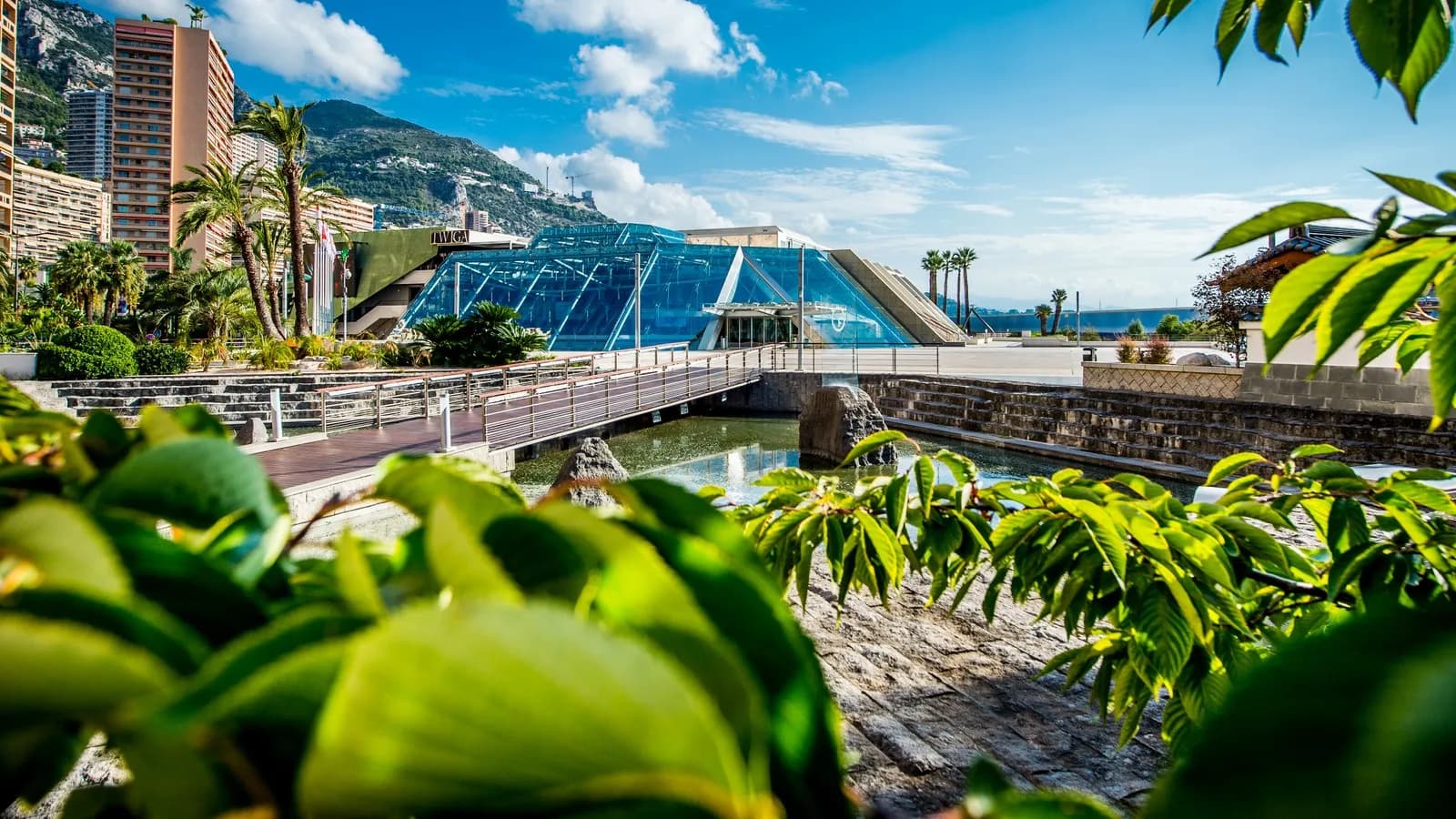
The Champions League league phase draw takes place at the Grimaldi Forum in Monaco on Thursday 27 August at 18:00 CEST. It sets eight fixtures for each of 36 clubs, and the competition runs from 8 September to 27 January.
Buried in the mechanics is a provision that says more about European football than any of the fixtures it produces. Because three English clubs sit in Pot 1, every non-English club in that pot has to be drawn against two English opponents. Not may be. Has to be, or the draw will not resolve.
Why would a draw fail?
Because it has to satisfy every constraint simultaneously, and the last few balls have almost no freedom left.
The rules are simple enough on their own. Clubs from the same association cannot meet in the league phase. No club can be drawn against more than two opponents from any single association. Each club plays two teams from each of the four pots, one at home and one away.
Now apply that to Pot 1 with Liverpool, Arsenal and Manchester City in it. Those three cannot play each other, so their Pot 1 fixtures have to come from the non-English clubs in that pot. Every English tie that has to be placed must go to a non-English club, and there are only so many of them. Spread the English clubs unevenly and the draw runs out of legal options before it runs out of balls.
The fix is to stop pretending there is a choice: give each non-English Pot 1 club two English fixtures from the start. It is not a competitive decision. It is arithmetic, and UEFA has arrived at it because English football now occupies enough of the top pot to break a draw that was designed for a more evenly distributed continent.
Five English clubs, three of them seeded
The Premier League has five clubs in the league phase. Liverpool, Arsenal and Manchester City are in Pot 1. Manchester United and Aston Villa are also in the competition.
The pots are set by 2026 UEFA club coefficients, which are earned over five seasons of results, so this is not a quirk of one good year. It is the accumulated record of a league whose broadcast income has been pulling in players from everywhere else for a decade, which is the same money now flowing through the transfer market as the window closes.
What the draw actually decides
Everything except who you are seeded above.
All 36 teams are drawn manually using physical balls, with software then assigning opponents and home or away status. Each club gets eight matches, four home and four away, against eight different opponents, two from each pot.
What follows from the final table is severe. The top eight go straight to the round of 16. Ninth to twenty fourth enter a two legged knockout play off, with ninth to sixteenth seeded. Twenty fifth and below are out of European football entirely, with no drop into the Europa League to soften it.
That last rule is the one that changes behaviour. Under the old group stage, third place was a parachute. Now the difference between twenty fourth and twenty fifth is a knockout tie against the difference between a European season and none, and it can turn on a goal in January.
Is the format working?
This is its third season, so the question is now fair to ask.
The case for it is that a single table produces jeopardy across all eight matchdays rather than concentrating it in two, and it did deliver that. The case against has not gone away and is getting louder: it is more matches, in a calendar that has no room for them.
That argument is sharper this season than last. The 2026 World Cup extended the summer for a large number of these players, and the 2026 to 2027 calendar offers very little in the way of recovery. Player welfare complaints about fixture congestion tend to be dismissed as special pleading by clubs who want to protect assets. They read differently when the players making them have just finished a tournament in June and start a 36 team league phase in September.
What to watch on Thursday
Not the glamour ties. The distribution.
Because of the two English fixtures rule, the interesting question is which non-English Pot 1 clubs get the hardest pair, and that is close to random. A club drawn against Liverpool and Manchester City has a materially worse eight games than one drawn against two English clubs further down, and neither did anything to deserve it.
The wider point is the one worth keeping. A draw needing a special provision to accommodate a single league is a competitive imbalance expressed as a technical footnote, and the Gulf's own investment in the sport, which we traced in the region's sporting decade and in the Saudi Pro League's summer, is an attempt to buy into a hierarchy that this draw quietly confirms.
Published in The Outspoken Digest
Newsletter
The Digest, in your inbox
One edition, sent when it is ready. No noise, and your address is never passed on.
Read Next
More Sports →
Edwards Scores 45 as Timberwolves Rout Heat on Giannis Antetokounmpo's Debut, and Pistons Rally From 22 Down
Oct 22, 2026/2 min read
Rice Rescues Arsenal With an 82nd-Minute Equaliser at Bayern Munich After Kane's Penalty Made It 2-1
Oct 22, 2026/2 min read
Rays and Brewers Meet in a World Series Neither Franchise Has Ever Won, With Game 1 on Friday
Oct 21, 2026/2 min read
Liverpool Come From Two Goals Down to Beat Villarreal 4-3 on a Champions League Night of 40 Goals
Oct 21, 2026/2 min read