Cloudflare Buys Deno, the Rival Runtime From Node.js Creator Ryan Dahl, and the Whole Team Is Joining
Deno's team moves into Cloudflare to build a self-hostable Workers model, while the standalone runtime heads for a one-year wind-down and its hosting service for a shutdown.
Outspoken Digest Technology Desk
Saturday, October 10, 2026/2 min read
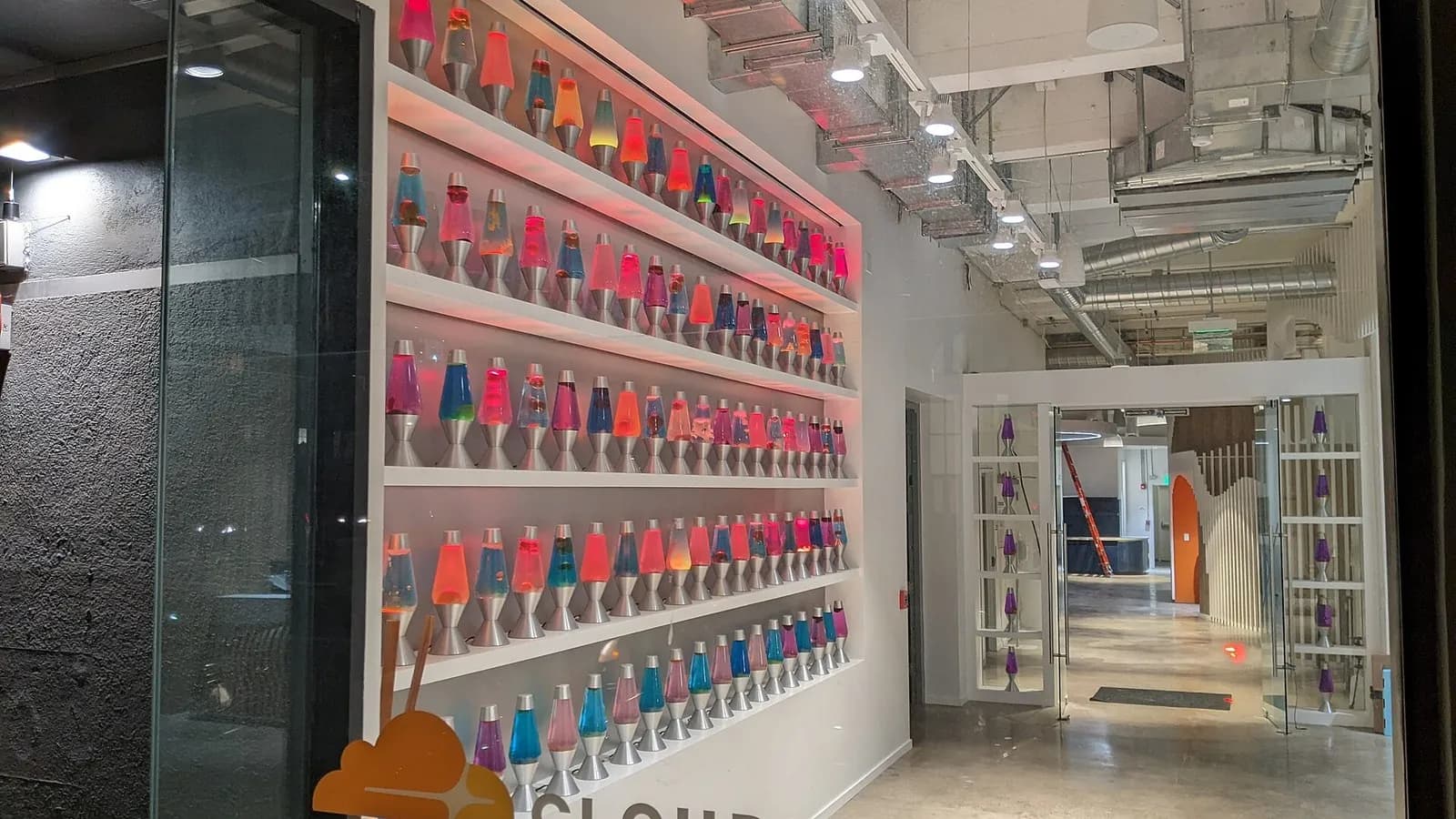
One of the most closely watched alternatives to Node.js is being folded into the company that sells the infrastructure it runs on. Cloudflare announced on Friday that it is acquiring Deno, and Deno's entire team is joining it, TechCrunch reported. Financial terms were not disclosed.
Deno was co-founded by Bert Belder and Ryan Dahl, who created Node.js, and had raised $26 million in total, including a Series A led by Sequoia. A JavaScript runtime is the engine that executes server-side code, so a purchase like this reshapes who controls that layer of the web.
What happens to the Deno runtime and Deno Deploy?
The standalone project is not staying as it is. Deno will continue to ship bug-fix and security releases for one more year, then end runtime development, according to Runtime Wire. Deno Deploy, its hosting service, shuts down six months after the announcement, giving customers time to migrate.
The coverage reviewed does not say what the migration help looks like, and Deno's own announcement was not among the pages available for this report, so those details should be confirmed against the company's notice before anyone plans around them.
Why does Cloudflare want Deno?
The answer is a project called celld. Deno recently launched it as an open-source implementation of the Workers programming model, the way Cloudflare lets customers build and run software on its network. Kenton Varda, a principal engineer on Cloudflare Workers, said the team was delighted by it, TechCrunch reports.
Runtime Wire says Dahl will work on making Workers practical to run on infrastructure outside Cloudflare's network, combining celld with Cloudflare's open-source workerd runtime. Dahl said his team is joining to make the Workers model a mainstream way to build servers.
That addresses the obvious worry, vendor lock-in. Varda argued that Workers was not designed to create lock-in and that open source and an escape hatch for users are good for business, per TechCrunch. Whether developers believe that will depend on how complete the self-hosting story turns out to be.
In plain terms, Workers is the model Cloudflare uses to run customers' code across its network. A self-hostable version would let programs written for it run on a company's own servers too. That is a bet that developers will accept Cloudflare's way of writing servers if they are not forced to rent Cloudflare's hardware to use it.
What should developers using Deno do?
Nothing needs to break immediately, which is the point of a one-year window. Teams that run production code on Deno Deploy have the shorter clock. Those using the runtime locally have time to decide between staying, moving to Node.js, or following the team into the Workers model. Cloudflare has not, in the coverage reviewed, set out a roadmap beyond the merger of celld and workerd, so expect the detail to arrive over the coming months.
Published in The Outspoken Digest
Editorial desk
Outspoken Digest Technology DeskSoftware, hardware, artificial intelligence and what they change for everyone else.
Newsletter
The Digest, in your inbox
One edition, sent when it is ready. No noise, and your address is never passed on.
Read Next
More Technology →
Anthropic Researchers Warn Small AI Models Could Soon Copy Themselves Onto Smart TVs and Other Home Devices
Oct 13, 2026/3 min read
Microsoft Unveils Maia 300 With 288GB of HBM4 and a 96-Chip Rack, Claiming Up to Seven Times Maia 200 Throughput
Oct 13, 2026/2 min read

Nvidia Opens Its Vera Rubin Rack Designs to the Open Compute Project and Pushes Racks Up to 250 Kilowatts
Oct 13, 2026/2 min read

Bronze Ring Engraved With the Lighthouse of Alexandria Found in the Sunken Royal Palace on Antirhodos
Oct 13, 2026/2 min read