How consumers plan to spend differently in 2026
Growing wealth inequality is reshaping consumer behavior. Experiences over goods, values over discounts, and AI shopping tools mark 2026's divide.
Outspoken Digest Business Desk
Tuesday, May 20, 2025/3 min read
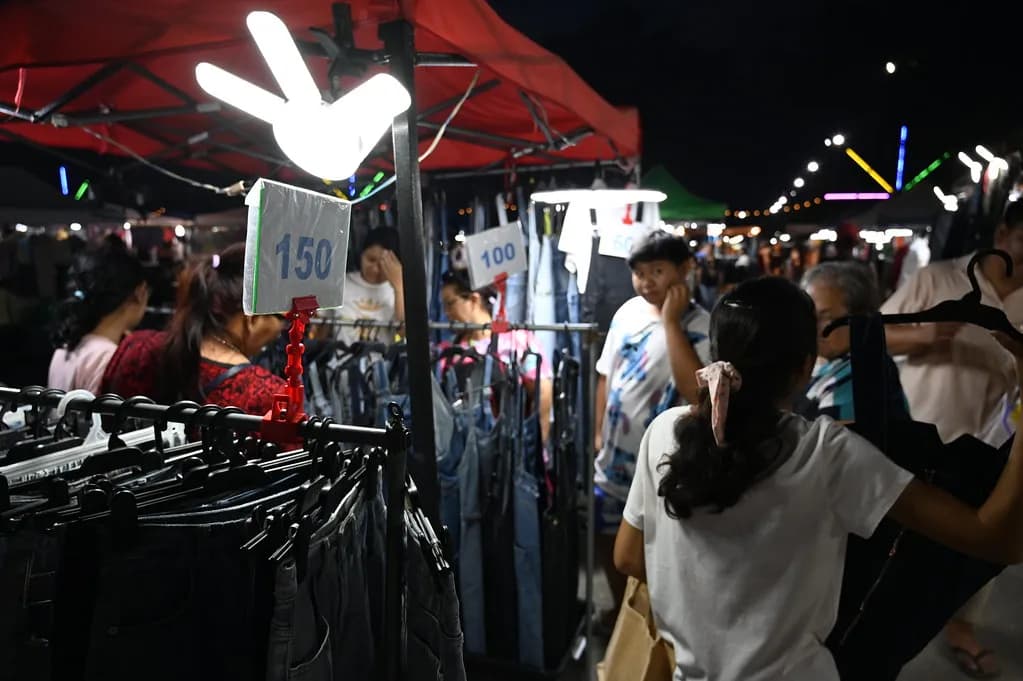
Consumer spending in 2026 tells a story of two economies diverging. For affluent Americans, it's a year of travel, experiences, and values-driven purchases. For middle and working-class Americans, it's a year of caution, price comparison, and trimming the fat. The economic divide that widened in 2024 and 2025 is now shaping fundamentally different consumer behavior. Understanding which segment you're in matters because it determines everything from where you shop to what you're willing to pay.
The data is stark. According to YouGov's consumer spending survey, a slim majority (53 percent) of Americans have set a budget for 2026, up from 46 percent in 2025. That 7-point increase isn't random. It reflects anxiety about the economy, concern about inflation and cost of living, and a growing awareness that discretionary spending has limits.
The cost of living remains the central concern for most households. Groceries, housing, and utilities are expensive, and they're not getting cheaper. This is where the K-shaped economy becomes visible: higher-income households can absorb these costs and still have money left over for discretionary spending. Middle and lower-income households have to choose between different survival needs.
Experiences are the new products
Here's what's interesting: spending on experiences is growing faster than spending on goods. According to PwC's summer spending analysis, travel is the biggest opportunity. Seventy-one percent of U.S. adults plan to spend the same or more on summer travel in 2026 as they did in 2025. Young people are planning multiple trips per year. Older people are prioritizing bucket-list destinations. The shift is real.
This reflects a broader psychological change. After the COVID-19 pandemic, people realized that experiences matter more than accumulating stuff. A trip to Europe creates memories and status. A new couch creates temporary satisfaction. Brands are responding by positioning themselves around experiences: restaurants creating Instagram-worthy moments, hotels offering unique stays, airlines optimizing the travel experience, not just the flight.
But here's the constraint: this trend benefits people who can afford it. Lower-income Americans are seeing their vacation spending flat or decline, not because they don't want to travel, but because they can't afford it.
The values-versus-price paradox
Consumer psychology in 2026 is contradictory. According to Escalent's consumer trends research, over 40 percent of consumers are willing to pay more for products aligned with their values, yet more than 60 percent still prioritize value and low prices in their purchasing decisions. This isn't hypocrisy. It's actual complexity. People want to support ethical brands, but they also need to eat and pay rent.
This means consumers are making calculated decisions. They might pay premium prices for sustainable fashion or ethical coffee, but then buy generic grocery store products at lower prices. The gap between aspirational values and practical reality is becoming a key market dynamic. Brands that acknowledge this and provide entry points at multiple price points win. Brands that position themselves as purely premium or purely discount risk alienating their audience.
Price comparison is the new normal
The days of brand loyalty and habitual purchasing are fading. YouGov's health and wellness trends show that consumers are comparing prices more carefully, with 39 percent actively comparing options before purchasing. This is a structural shift. Smartphones make it trivial to check competitor prices in real-time. Search algorithms make finding alternatives effortless. Brands can no longer assume loyalty.
This benefits e-commerce platforms and discount retailers. It's bad news for traditional retail with high overhead. It means that in 2026, the consumer winner is whoever has the lowest price for acceptable quality. That could be Amazon, it could be Target, it could be a direct-to-consumer brand. The brand identity matters far less than the price-to-value ratio.
AI shopping is going mainstream
One wild card: AI adoption in shopping is accelerating. McKinsey's analysis notes that AI adoption for shopping is moving from early-adopter stage into mainstream. Millions of U.S. consumers are experimenting with AI-powered shopping assistants that compare prices, find discounts, and personalize recommendations. By 2026, this won't be novel. It'll be standard.
Brands that integrate AI into their shopping experience gain an advantage. Consumers who use AI shopping tools make different purchasing decisions than those who don't. They comparison shop more aggressively. They find better deals. They're less loyal to brands. From a consumer perspective, this is good. From a brand perspective, margins get squeezed.
The consumer of 2026 is more cautious, more values-conscious, and more price-sensitive than ever. The split between affluent and struggling consumers is creating two completely different consumer markets. Success in this environment requires understanding which segment you're targeting and meeting them exactly where they are, not where you wish they were.
Published in The Outspoken Digest
Editorial desk
Outspoken Digest Business DeskCompanies, markets and the money moving through the region.
Newsletter
The Digest, in your inbox
One edition, sent when it is ready. No noise, and your address is never passed on.
Read Next
More Latest Trends →
Navi Pillay, the South African Jurist Who Led the UN Gaza Inquiry, Wins the 2026 Nobel Peace Prize
Oct 9, 2026/3 min read

Trump Says the US Will Not Attack Iran Before the Midterms, While Tanker Attacks Cut Hormuz Traffic to a Two-Month Low
Oct 9, 2026/3 min read

Russian Strikes Killed 22 in Pryluky and at Least 30 on Two Buses in Kramatorsk Within Two Days
Oct 9, 2026/2 min read

A Year After the Gaza Ceasefire, More Than 100 Aid and Rights Groups Say It Exists in Name Only
Oct 9, 2026/2 min read