How creators actually earn from short-form video in 2024
YouTube Shorts, TikTok, and Instagram Reels pay differently. Here's what creators are really making and why the math doesn't add up for most.
Outspoken Digest Business Desk
Thursday, April 18, 2024/3 min read

The creator economy has a dirty secret: short-form video barely pays. A creator with a million views on YouTube Shorts might pocket somewhere between $30 and $70. TikTok's new Creator Rewards Program pays better, but only if your content hits the algorithm's sweet spot. Most creators aren't hitting it. Understanding the actual economics of Shorts is critical if you're thinking about quitting your day job to make videos.
YouTube Shorts introduced its first monetization model in 2023, sharing revenue from ads served between videos. According to Uscreen's analysis, creators report an average RPM (revenue per 1,000 views) between 3 and 7 cents. On the high end, if you average 7 cents RPM, a million views earns you about $7,000. But most creators report closer to the low end: $30 to $70 per million views.
The math gets worse when you factor in effort. Creating a single polished short-form video takes an hour or more. Creating ten takes a day of work. Getting a million views on YouTube Shorts is genuinely hard, requiring either enormous luck, relentless consistency, or a pre-existing audience. For the average creator, the money from YouTube Shorts is approximately zero.
TikTok's better-but-still-brutal rates
TikTok's Creator Rewards Program launched in 2023 and pays more than YouTube Shorts, at least in theory. According to VidIQ, TikTok pays between $0.40 and $1.00 per 1,000 views, or roughly $400 to $1,000 per million views. On the absolute high end, creators report RPMs between $2.50 and $6.00 per 1,000 views for top-performing content in lucrative niches.
But there's a catch: access to these rates is gated. You need at least 10,000 followers and 100,000 video views in the last 30 days just to get approved for monetization. Most creators never clear that bar. Of those who do, the payout depends entirely on how the algorithm rates your engagement and retention. Make a video that keeps people watching to the end, in a niche where advertisers pay well, and you might see $1,000 for a million views. Make a video that's aesthetically perfect but nobody watches to completion, and you see almost nothing.
The real money isn't in ads
Here's what's rarely discussed: according to recent analysis, short-form video ad revenue is just one of seven realistic income streams, and for most channels it isn't even the biggest one. The real money comes from brand deals, sponsored content, affiliate links, tipping, and subscriptions.
A creator with a small but engaged audience of 50,000 followers might never earn significant money from TikTok's ad revenue share. But they could land a single brand deal for $5,000. Ten such deals a year, and you're making more than a six-figure salary from ad revenue on a million-view viral hit. This is why mega-creators talk about diversification: the platform's ads are the foundation, but sponsorships are where real income lives.
Tipping features, which TikTok introduced in 2020 and Instagram added later, create another revenue stream. Fans voluntarily send money to creators they love. Subscription tiers, where fans pay monthly for exclusive content, can also generate consistent income. But both require parasocial relationships that take time to build.
The long-form refuge
This is why smart creators use Shorts as a funnel, not a destination. Shopify's research shows that long-form videos on YouTube earn 10 to 100 times more per view than Shorts. A 10-minute YouTube video, monetized with mid-roll ads, earns significantly more than a thousand 15-second Shorts videos combined. Smart creators post Shorts to build an audience, then guide people to their YouTube channel, Patreon, or personal website where the real monetization happens.
The creator economy is real and growing, but short-form video platforms are designed to be traffic generators for creators, not primary income sources. If you're thinking about becoming a full-time creator, the math requires long-form, direct relationships with your audience, or brand partnerships. The Shorts ad revenue is nice, but it's supplementary at best.
Published in The Outspoken Digest
Editorial desk
Outspoken Digest Business DeskCompanies, markets and the money moving through the region.
Newsletter
The Digest, in your inbox
One edition, sent when it is ready. No noise, and your address is never passed on.
Read Next
More Latest Trends →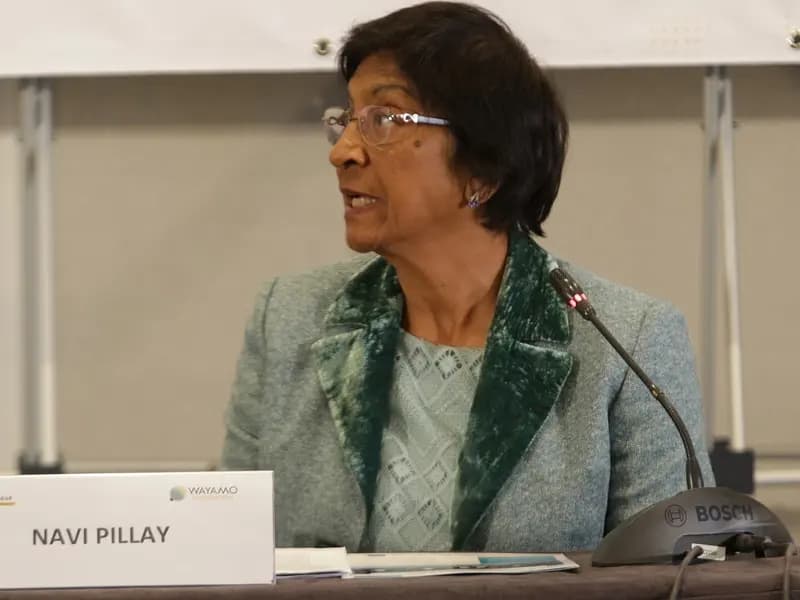
Navi Pillay, the South African Jurist Who Led the UN Gaza Inquiry, Wins the 2026 Nobel Peace Prize
Oct 9, 2026/3 min read

Trump Says the US Will Not Attack Iran Before the Midterms, While Tanker Attacks Cut Hormuz Traffic to a Two-Month Low
Oct 9, 2026/3 min read

Russian Strikes Killed 22 in Pryluky and at Least 30 on Two Buses in Kramatorsk Within Two Days
Oct 9, 2026/2 min read

A Year After the Gaza Ceasefire, More Than 100 Aid and Rights Groups Say It Exists in Name Only
Oct 9, 2026/2 min read