Potassium-Rich DASH Diet Did Not Raise Blood Potassium to Unsafe Levels in Adults on Blood Pressure Drugs
A preliminary analysis of 356 Black adults in Boston found 12 weeks of DASH groceries did not raise potassium dangerously, but it excluded advanced kidney disease and is not yet peer reviewed.
Outspoken Digest Nutrition Desk
Tuesday, October 13, 2026/2 min read
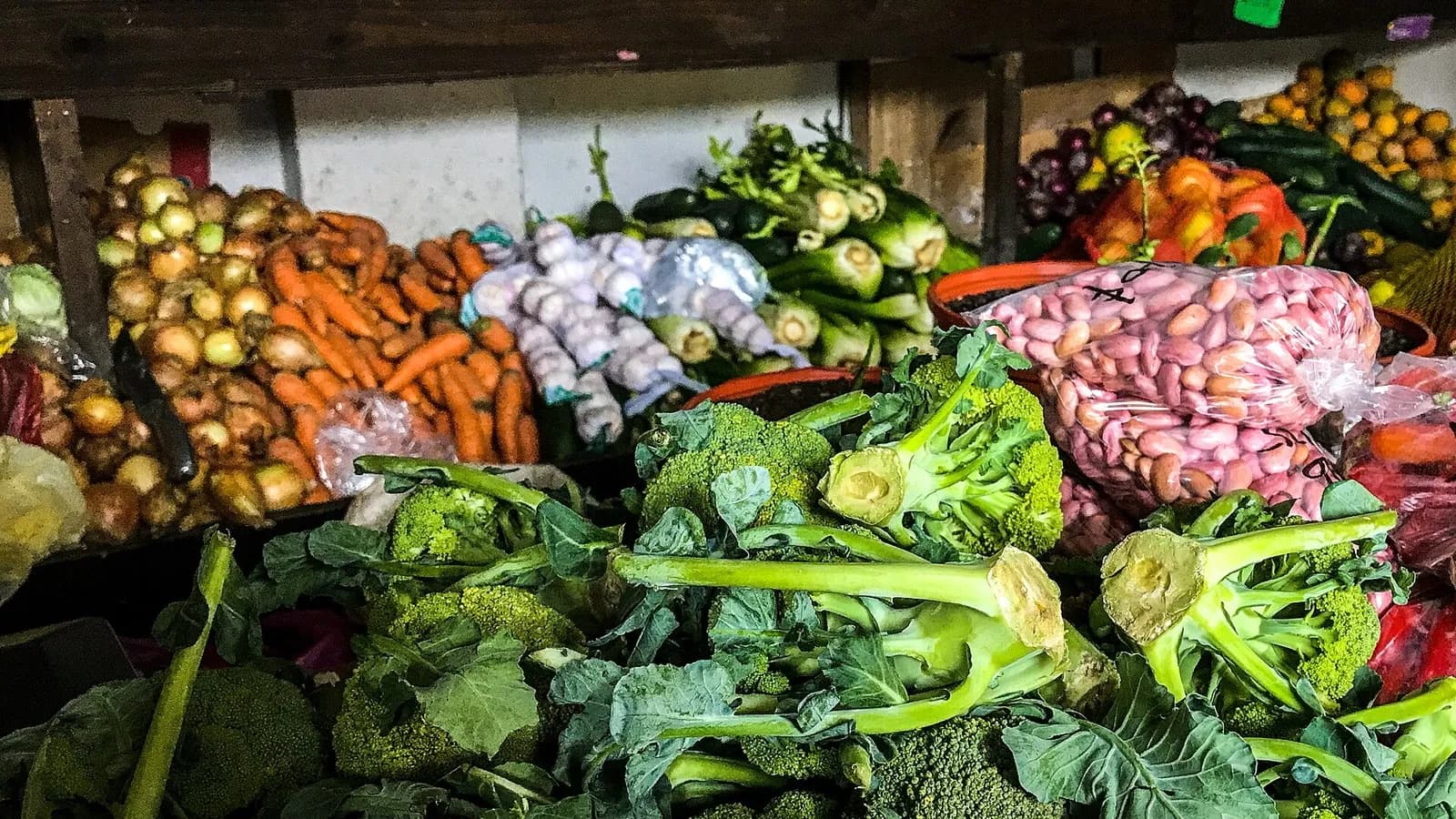
Doctors have long had a quiet worry about one of the best-studied eating patterns for high blood pressure. The DASH diet is rich in potassium, and several common blood pressure drugs can make the body hold on to it. Could the diet push blood potassium too high? An early answer, presented on 8 October at the American Heart Association's Hypertension Scientific Sessions in Arlington, Virginia, is that in this group it did not, according to the AHA's release.
The work is preliminary: a conference poster, not yet peer reviewed, with abstracts due to be published in the journal Hypertension in November.
What did the researchers do?
The team, led by presenting author Marian Budu of Beth Israel Deaconess Medical Center in Boston, analysed data from two randomised trials, GoFresh and GoFresh Rx. They included 356 Black adults with high blood pressure, average age 53, about 70 percent women. Half received three months of weekly DASH-patterned groceries plus weekly nutrition counselling, designed to supply about 4,700 mg of potassium a day. The rest got a cash stipend to buy their own food, with no counselling.
Blood potassium was measured at the start and after 12 weeks. Baseline averages were normal, 4.16 mmol/L in the grocery group and 4.18 in the stipend group.
What did they find?
Eating more potassium-rich DASH foods did not raise potassium to dangerous levels in people taking ACE inhibitors, ARBs, potassium-sparing diuretics, beta blockers or NSAIDs. There was no significant increase in either group, and levels in the grocery group did not differ between medication subgroups. Kevin Volpp of the University of Pennsylvania, who was not involved, said significant increases did not occur even for patients on medications, as News-Medical also reported.
Who should not read this as permission?
The limits are important. The study excluded people with stage 4 or 5 chronic kidney disease and anyone whose potassium was already above normal, and it covered only Black adults in the Boston area. The authors say future work should look at people with reduced kidney function and higher starting potassium.
Outside experts quoted by Medical News Today made the same point. One noted that 4,700 mg is hard to reach through food, and that most people eat roughly 2,000 to 3,000 mg a day; people with kidney disease, heart failure, diabetes or electrolyte problems were advised to get an individualised plan. The same expert suggested that most people aiming for 3,000 to 5,000 mg should do so through foods such as leafy greens, potatoes, legumes, bananas, avocados and salmon, rather than supplements.
This is reporting, not medical advice. Anyone taking blood pressure medication, or with kidney disease, should check with their clinician before making large changes to potassium intake or using salt substitutes. Peer-reviewed publication and trials in people with kidney impairment are what would turn this reassurance into guidance.
Published in The Outspoken Digest
Editorial desk
Outspoken Digest Nutrition DeskDiet, food science and the evidence behind claims about what we eat.
Newsletter
The Digest, in your inbox
One edition, sent when it is ready. No noise, and your address is never passed on.
Read Next
More Nutrition →
Matched for Calories and Macronutrients, an Ultra-Processed Meal Still Drew a Bigger Insulin Response in a Small Trial
Oct 9, 2026/3 min read
A Study of 371,000 Americans Found Whole Fruit, Not Juice, Is Linked to Better Heart Health
Oct 1, 2026/2 min read

Tirzepatide Switched On Calorie-Burning Brown Fat in Obese Mice, Independent of Its Appetite-Suppressing Effect
Sep 29, 2026/2 min read

Every Extra 100 Grams of Ultra-Processed Food Daily Tied to Higher Disease Risk in an 8.8 Million-Person Study
Sep 27, 2026/3 min read