There Are Not Two Kinds of Diabetes, and Being Put in the Wrong Box Changes the Treatment
Type 1 and type 2 are the two everyone knows. LADA is regularly mistaken for type 2 in adults, and MODY is a single-gene condition that can sometimes be treated with a tablet instead of insulin. The label decides the therapy.
Tuesday, July 7, 2026/4 min read
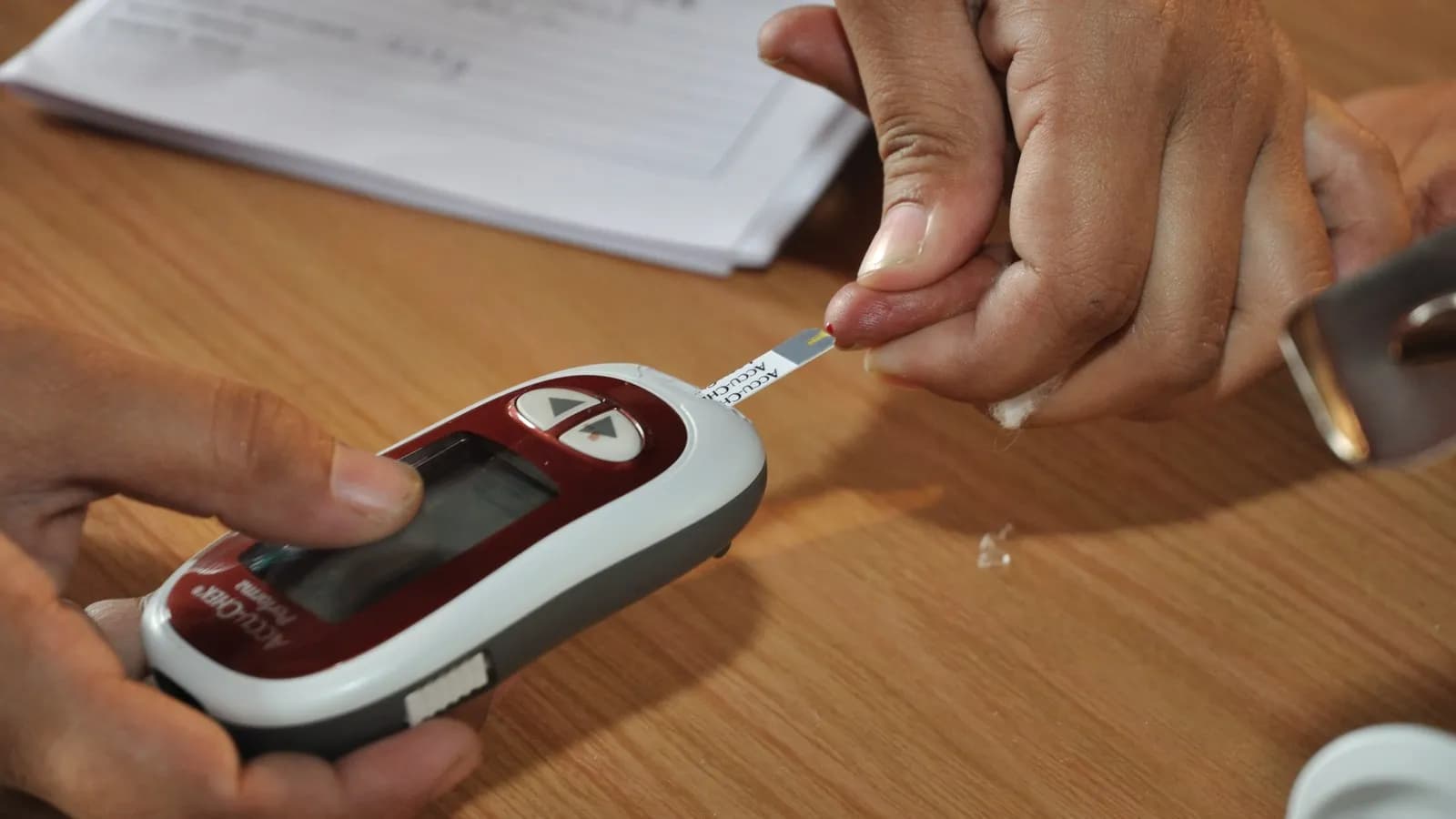
Diabetes is not one disease. It is a symptom, high blood glucose, produced by several different underlying faults, and the public conversation has flattened all of them into two categories that are usually described as the one children get and the one adults get.
That shorthand is wrong often enough to matter. Adults develop type 1. Children develop type 2. And two other forms sit between the headline categories, one of which is regularly misfiled and one of which can occasionally be treated with a tablet by someone who has spent years injecting.
What is the actual difference between type 1 and type 2?
It comes down to whether you have insulin or whether you can use it.
In type 1 diabetes, the immune system destroys the beta cells in the pancreas that make insulin. It is an autoimmune condition. Insulin production falls toward nothing, and replacing it is not a lifestyle choice or a last resort, it is the treatment. Nothing about diet or exercise caused it and nothing about diet or exercise reverses it.
In type 2 diabetes, the pancreas usually still makes insulin, often a great deal of it, but tissues respond poorly. Insulin resistance forces the pancreas to work harder until, over years, it cannot keep up. This is the form associated with weight, activity, genetics and age, though the genetic contribution is routinely underestimated and the personal blame is routinely overestimated.
The clinical consequence is blunt. Someone with type 1 who stops insulin develops diabetic ketoacidosis and can die within days. Someone with type 2 who improves their diet may genuinely need less medication. Advice that is sensible for one can be lethal for the other, which is precisely how a piece of diet advice turned into a medical emergency.
What is LADA, and why is it so often missed?
Latent autoimmune diabetes in adults is type 1 that arrives slowly, in an adult, wearing type 2's clothing.
It is autoimmune. The same antibody-driven destruction of beta cells is happening. But instead of the rapid collapse seen in a child, the decline is gradual, so the person presents in their forties or fifties with moderately raised glucose, gets a type 2 diagnosis, and is started on tablets.
Those tablets work for a while, which reinforces the diagnosis. Then they stop working, sooner than expected, and the person is labelled non-compliant or told their diabetes is progressing unusually fast. What is actually happening is that the beta cells are still being destroyed and no drug that squeezes more insulin out of a dying pancreas can outrun that.
The clue is the pattern rather than any single test: an adult who is not overweight, whose control deteriorates faster than it should, and who may have another autoimmune condition such as thyroid disease. Antibody testing settles it, and it is ordered less often than it should be.
What is MODY?
Maturity-onset diabetes of the young is the one worth knowing about because the answer can be so much better than the default.
MODY is caused by a mutation in a single gene, and it is inherited in a straightforward dominant pattern, which is why the family tree is the giveaway. Diabetes in a parent, a grandparent, a sibling, diagnosed young, in people who are not overweight, is the classic picture.
Here is why the label matters. Some MODY subtypes respond extremely well to sulfonylurea tablets, better than they respond to insulin. There are documented cases of people who injected insulin for years, were genetically tested, and moved to a tablet. Another common subtype produces mild, stable, lifelong glucose elevation that frequently needs no treatment at all and does not carry the usual complication risk.
Being told you may not need the injections you have been giving yourself since adolescence is a rare kind of medical news. It only happens if somebody thinks to test.
Does the ADA guidance help sort this out?
It has been moving in that direction, and the 2026 Standards of Care went further on the autoimmune side.
The guidance now treats a confirmed single IA-2 autoantibody as warranting monitoring similar to stage 2 disease, which is a meaningful tightening of how early autoimmune diabetes gets tracked. The same edition also, for the first time, supports GLP-1 class therapy in adults with type 1 diabetes and a BMI above 30, an acknowledgement that people with type 1 also live with obesity and were being left out of a drug class that could help them.
Both changes point the same way: away from two tidy boxes and toward describing what is actually happening in a given pancreas.
What should you do if the label does not fit?
Ask, specifically, and ask early.
If you were diagnosed with type 2 as an adult, are not overweight, have another autoimmune condition, or found that tablets stopped working within a few years, it is reasonable to ask whether autoantibody testing is warranted. If diabetes runs through your family in every generation and was diagnosed young in people of normal weight, it is reasonable to ask about genetic testing for MODY.
Neither request is exotic and neither is a challenge to your doctor. The type determines the treatment, and roughly one in five adults in this region is living with some form of this condition. Getting the category right is not a technicality. It is the difference between the right drug and years of the wrong one.
Published in The Outspoken Digest
Editorial desk
Outspoken Digest Health DeskMedicine, public health and the research behind the headlines, read carefully.
Newsletter
The Digest, in your inbox
One edition, sent when it is ready. No noise, and your address is never passed on.
Read Next
More Health →
Kenya's Ebola Count Rises to Seven After Three Health Workers Who Treated the First Patient Test Positive
Oct 17, 2026/2 min read

BMJ Analysis Warns Fast-Growing Private Testosterone Prescribing Could Land on the NHS
Oct 14, 2026/2 min read

Cochrane Review Finds Medical Cannabis Has No Clear Benefit for Insomnia, With Weak Evidence Either Way
Oct 13, 2026/2 min read

Lancet Commission Names 17 Threats to Global Health Through 2100, With Obesity the Largest by Burden
Oct 12, 2026/2 min read