Dolce and Gabbana Is Selling Its Buildings and Twenty Four Years of Eyewear to Buy Nineteen Months
The house lost more than 100 million euros at the operating line and breached its bank covenants. The banks have waived the terms until March 2028, on condition that a set of extraordinary transactions is completed by June next year.
Saturday, August 29, 2026/4 min read
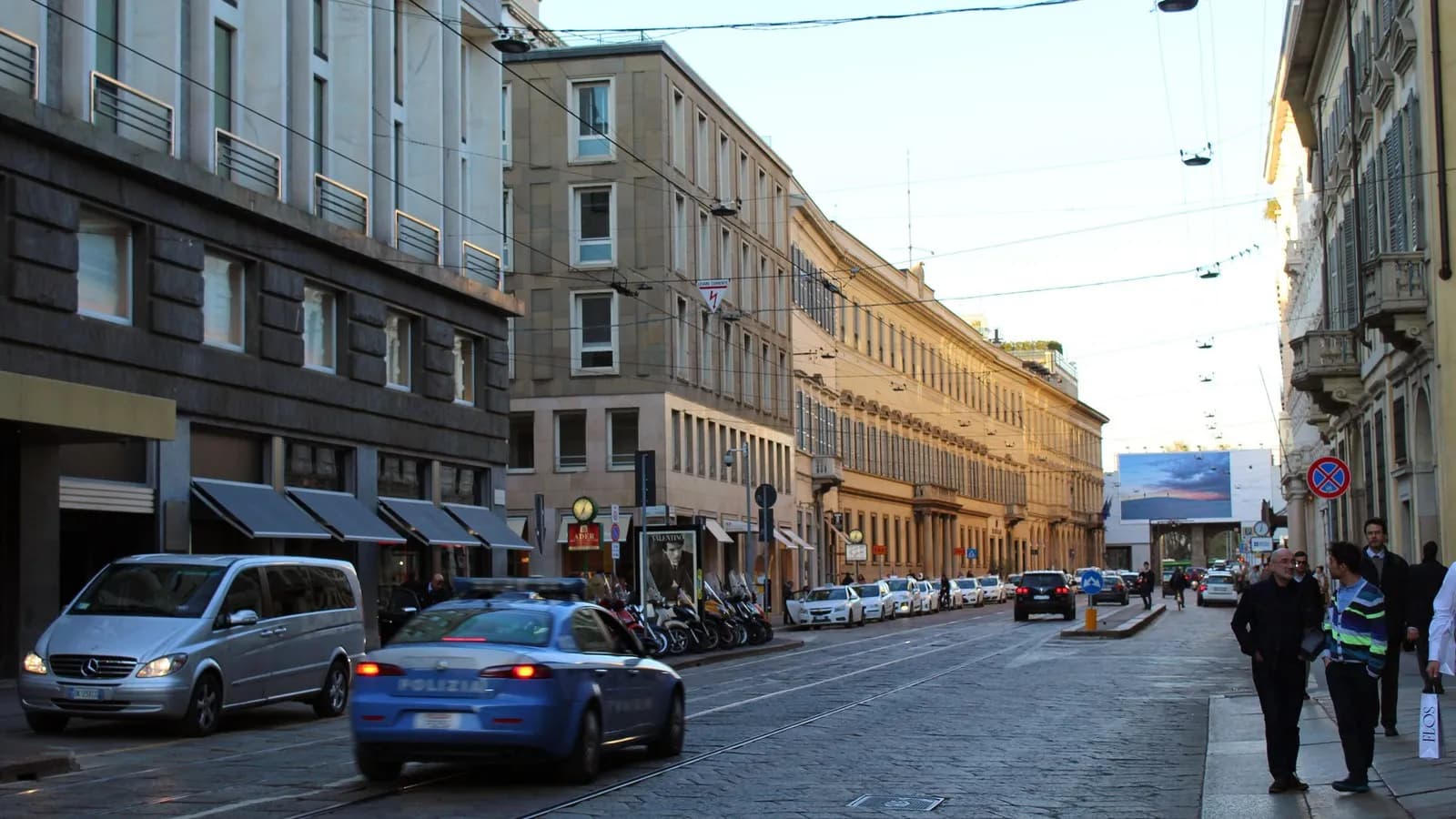
Dolce and Gabbana breached the conditions attached to its bank loans. The banks have agreed not to act on it until 31 March 2028, provided the company completes a series of what the filings call extraordinary corporate transactions by the end of June 2027.
Translated out of the language of covenants: the house has been given nineteen months, and it has to sell things to earn them.
The numbers behind the waiver
Revenues for the financial year ending 31 March fell 2 per cent to 1.86 billion euros, about 2.17 billion dollars. The operating loss was just over 100 million euros. Net financial debt rose to 464.5 million euros from 379.6 million a year earlier.
A 2 per cent revenue decline is not a collapse. Plenty of houses have had worse years and said less about them. It is the combination that triggered this: revenue down slightly, costs not down at all, and debt up by 85 million against a covenant that measures one against the other.
That is the ordinary mechanics of how a business with a good brand and a bad cost base arrives at a conversation with its lenders. Nothing dramatic happens. A ratio moves two tenths in the wrong direction and a document that nobody has read since it was signed suddenly governs the company.
What is being sold
Property, and time.
The transactions are described in a filing by the fashion division as being at an advanced stage of negotiation, and are reported to include the sale of buildings, among them property in central Milan. Selling the building you occupy in the city your brand is from is a legitimate financing move and it is also a one time move. You cannot do it twice.
The other transaction has already happened and is the more revealing of the two. The fashion unit raised 150 million euros from EssilorLuxottica by extending its eyewear licence to 2050.
Read that one again
A licence extension to 2050 is twenty four years of future income, converted into 150 million euros of cash now.
Eyewear is one of the reliably profitable categories in luxury. It carries the name at a price a customer can reach when they cannot reach a coat, and the manufacturing is done by somebody else. Selling further into that stream is the cleanest money available to a fashion house that needs cash without wanting to sell equity.
It is also, precisely, borrowing from the 2040s to pay for 2026. Whoever runs this business in fifteen years will have an eyewear licence they cannot renegotiate and will not have been in the room when it was signed.
Why this house, and why it matters more than one balance sheet
Because Dolce and Gabbana is the control group for the industry's favourite explanation.
The luxury sector's response to two years of weak demand has been to change creative directors, at a pace with no precedent, which we counted in a piece on what all that churn actually achieved. The theory behind it is that the product got tired and a new eye fixes it.
Domenico Dolce and Stefano Gabbana are the creative directors. They founded the house, they have never left, and there is no version of this company in which somebody replaces them to refresh the offer. So the one lever the rest of the industry has been pulling is not available here, and the house has arrived at an operating loss anyway.
Which suggests the problem was never mainly the designer. It is demand, at these prices, after several years of the sector raising them, and no appointment fixes that.
What to watch
Two dates, in this order.
June 2027, by which the transactions have to be finished. If the property sales complete and the balance sheet is repaired, this becomes a difficult year that a private company handled privately, which is the outcome the structure is designed to produce.
Then March 2028, when the waiver expires and the original covenants apply again. The waiver buys the time to fix the ratio. It does not fix it. If revenue is still drifting and the cost base is still where it was, the same conversation happens with fewer buildings left to sell.
For readers rather than analysts, the useful part is what it says about the price of things. A house selling its Milan property and two decades of eyewear income is telling you what the last few years of luxury pricing produced, and the answer is not more profit. We set out how to judge what you are actually paying for in a guide to reading a garment before you buy it, which is a more durable skill than following which designer is at which house this month.
Published in The Outspoken Digest
Newsletter
The Digest, in your inbox
One edition, sent when it is ready. No noise, and your address is never passed on.
Read Next
More Fashion →
Anthony Vaccarello Is Leaving Saint Laurent After a Decade, and Kering Has Not Yet Named His Successor
Oct 9, 2026/2 min read

Louis Vuitton Closes Paris Fashion Week With Hovering Cars, Paper-Light Dresses and a Louvre Courtyard Cityscape
Oct 7, 2026/2 min read
Celine Dion Made a Surprise Return to the Catwalk to Close L'Oreal's Paris Fashion Week Opening Show
Sep 29, 2026/2 min read
Louise Trotter Doubled Down on Colour and Oversized Bags for Her Latest Bottega Veneta Show in Milan
Sep 27, 2026/2 min read