Dry Air Indoors: Why Winter Heating and Summer Cooling Both Crack Your Lips, and What Humidity to Aim For
Heated air in a cold climate and conditioned air in a hot one end up equally dry. Between 40 and 50 per cent relative humidity the skin, the airways and the furniture are all happier; below 30 they are not.
Wednesday, December 13, 2023/3 min read
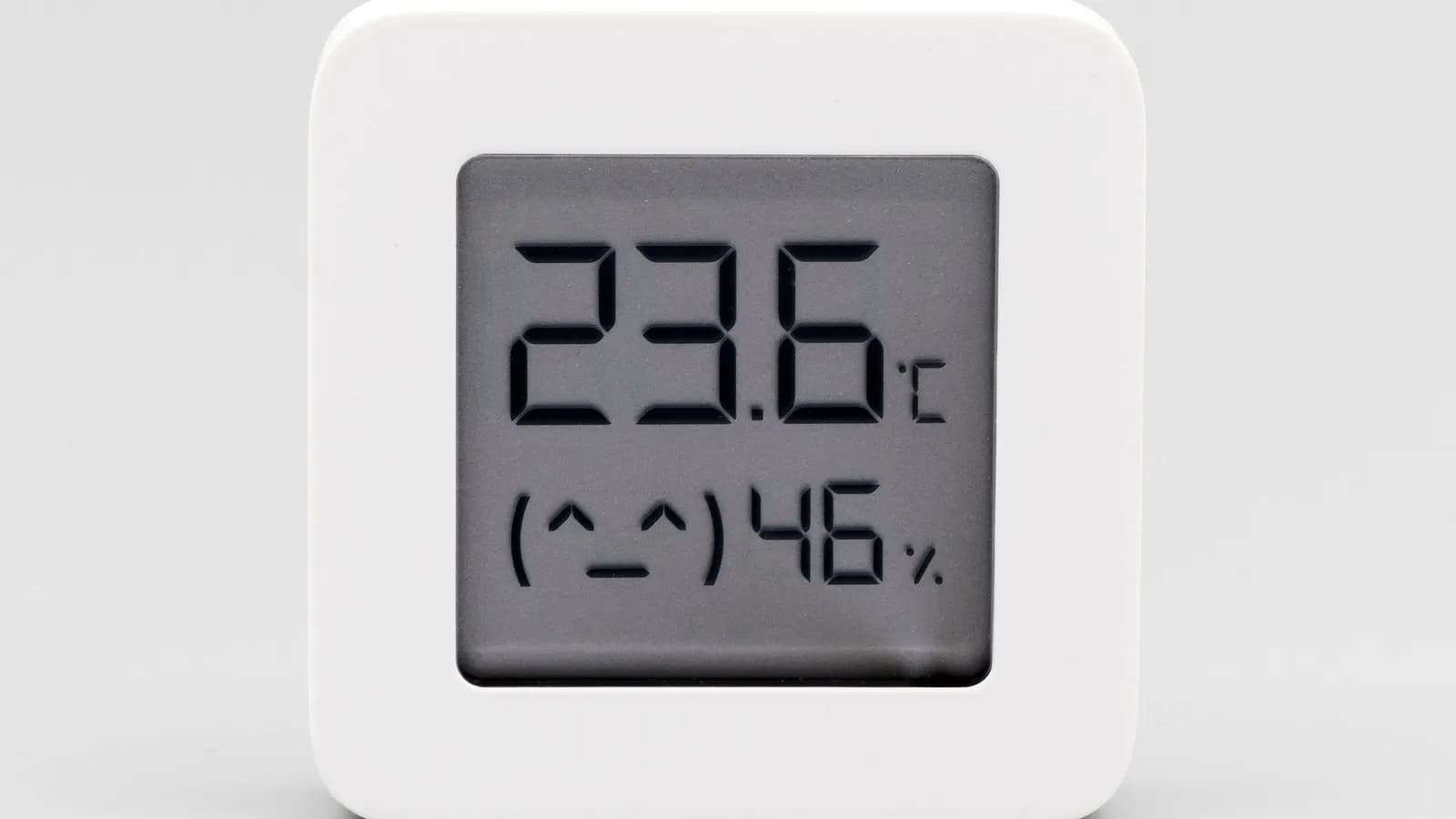
The chapped lips, the scratchy throat on waking, the static shock from the door handle and the crack that appears in the wooden table in January all have the same cause, and it is not the cold. It is what heating does to cold air. Air at zero degrees holds very little water; warm it to 21 and the same water is now a small fraction of what the air could hold, and the relative humidity indoors drops to 20 per cent or lower, drier than most deserts. The Gulf reaches the same place by the opposite road: air conditioning condenses moisture out of humid air on its way through the coils, and a sealed, cooled flat in August can sit at 30 per cent while the balcony is at 80.
What dry air does
The skin loses water to dry air faster than it can replace it, which is the tightness and flaking, and eczema and psoriasis flare. The mucous membranes of the nose and throat dry out, which is uncomfortable in itself and also weakens the first line of defence against respiratory viruses; the cilia that sweep particles out of the airway work poorly when dry. Eyes sting, especially for contact lens wearers. Static builds because dry air does not conduct charge away. And wood shrinks: floors gap, doors rattle, instruments go out of tune. The US Environmental Protection Agency's indoor air guidance puts the comfortable band at 30 to 50 per cent relative humidity; most building scientists tighten that to 40 to 50 for health.
Too wet is worse
Above 60 per cent, dust mites thrive, mould grows on cold surfaces, and condensation forms on windows and inside walls. Adding humidity is therefore a matter of measurement, not enthusiasm. A hygrometer costs less than a coffee and should sit in the bedroom.
How to add moisture
Humidifiers work; the type matters. Evaporative units, a wick and a fan, are self-limiting because evaporation slows as the air gets wetter, and they cannot oversaturate a room; they need the wick changed. Ultrasonic units make a visible cold mist cheaply and quietly, but they aerosolise whatever is in the water, including minerals that settle as white dust and bacteria if the tank is not cleaned daily; use distilled water and clean them. Steam units boil water, which sterilises it, and use more electricity. Whatever the type, the tank is a petri dish by the third day, and a dirty humidifier is a worse problem than dry air. Low-tech alternatives are slower but harmless: a bowl of water on a radiator, wet laundry dried indoors, a bathroom door left open after a shower, houseplants in quantity.
The person, not the room
Where the room cannot be fixed, the body can be protected. A saline nasal spray or gel before bed keeps the nose moist through the night; our piece on nasal irrigation covers water safety. Lip balm with a petrolatum or lanolin base seals better than the waxy sticks. Moisturiser applied to damp skin within a minute of washing traps water; applied to dry skin it mostly sits on top. Shorter, cooler showers strip less oil. Drinking more water does very little for skin dryness caused by air, though it does no harm. And in the Gulf, the single most effective change is often to run the air conditioning less cold, since every degree of extra cooling wrings more water from the air. The NHS advice on colds does not mention humidity, and there is no proof that dry air causes infections; but a nose that is not cracked and bleeding is a better barrier than one that is, and the comfort case alone justifies the hygrometer.
Published in The Outspoken Digest
Editorial desk
Outspoken Digest Health DeskMedicine, public health and the research behind the headlines, read carefully.
Newsletter
The Digest, in your inbox
One edition, sent when it is ready. No noise, and your address is never passed on.
Read Next
More Health →
Two Days After the Nobel for Optogenetics, a Small NEJM Trial Shows It Helped Some Blind Patients Detect Objects
Oct 9, 2026/3 min read
WHO Launches a Global Roadmap on Pre-Eclampsia and Pregnancy Hypertension, Tied to 42,000 Maternal Deaths a Year
Oct 8, 2026/3 min read

WHO Says Diet and Exercise Come First and Children Under 10 Should Not Get Weight-Loss Drugs or Surgery
Oct 7, 2026/3 min read

Kenya Confirms Its First Ebola Case, a Man Who Flew In From Uganda After Years in Congo and Died in Nairobi
Oct 6, 2026/3 min read