New Rules Turned Formula One Upside Down: Antonelli Leads, Verstappen Is Sixth, and Two Gulf Races Are Gone
Twelve rounds into the most significant regulation change in a decade, the four time champion is more than a hundred points adrift and a driver in his second season leads by fifty. The war removed two races from the calendar as well.
Monday, August 24, 2026/4 min read
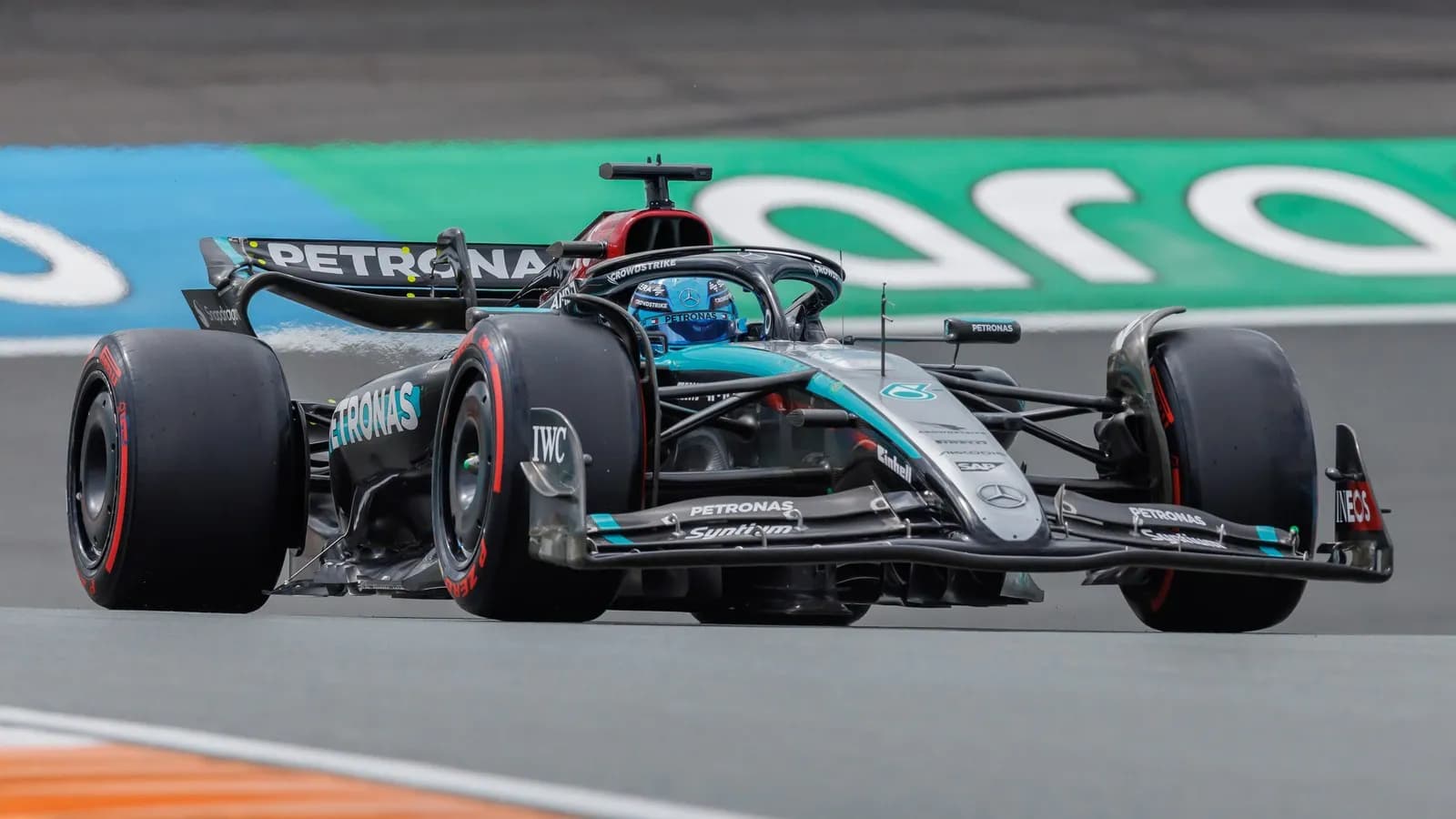
Formula One rewrote its technical rules for 2026, and the results have done what rule changes in this sport reliably do: rearranged the order in a way no amount of spending could have prevented and no amount of talent can quickly undo.
Twelve of the season's twenty three rounds are complete. Kimi Antonelli leads the drivers' championship on 219 points, fifty clear of Lewis Hamilton. Max Verstappen, who won four consecutive titles, is sixth, more than a hundred points off the lead.
What actually changed?
The regulations, which in Formula One means the car itself rather than the sporting rules around it.
A new technical era resets the competitive order because it invalidates accumulated advantage. A team that has spent four years refining a concept discovers that the concept no longer applies, and the value of everything it learned drops close to zero overnight. Meanwhile a team that had been struggling gets a clean sheet.
That is why the standings look the way they do. Mercedes has read the new rules well and holds a commanding position in the constructors' championship. Red Bull, the dominant force of the previous era, has struggled to unlock them.
Is Verstappen's position really that unusual?
For him, yes. For the sport, no.
Great drivers in uncompetitive cars finish sixth. That is a description of the machinery, not of the driver, and Formula One has produced this outcome repeatedly across its history. What makes it striking is the contrast: a driver who spent four seasons rarely being beaten is now more than a hundred points behind a competitor in only his second full campaign.
The useful thing to watch is not the gap but the trajectory. Teams that misread a regulation set usually recover, because the same engineering capacity that won under the old rules eventually decodes the new ones. The question is whether that happens inside this season or the next one.
Who is Kimi Antonelli?
The most interesting answer in the standings.
Antonelli arrived at Mercedes as the replacement for Hamilton, which is close to the least forgiving debut assignment in motorsport. Leading the championship in his second season, and leading Hamilton by fifty points in the process, is a considerably better outcome than the sport expected.
The honest qualification is that a young driver in the fastest car will always attract an argument about how much is the driver and how much is the machinery. That argument is unanswerable while both Mercedes drivers are in the same car and one of them is fifty points ahead, which is precisely why the intra-team comparison is the only one that means anything here.
What happened to the Gulf races?
They were cancelled, and this is the part regional readers should notice.
The season was scheduled for twenty four Grands Prix. It has twenty three. The Bahrain and Saudi Arabian Grands Prix were removed from the calendar because of the war in the Middle East.
Those two races are not peripheral. Bahrain has hosted Formula One since 2004 and is where the sport's pre-season testing traditionally happens. The Saudi race at Jeddah is one of the fastest street circuits on the calendar. Losing both in a single season removes the region from a sport it has spent two decades and a great deal of money buying into, which we set out in the Gulf's sporting decade.
It is also a reminder of how far the effects of the conflict reach beyond oil and shipping. The same closure that has reshaped energy markets, described in our assessment of six months of the Hormuz closure, has taken two events off a global sporting calendar.
What should a reader watch for the rest of the season?
Three things, in order of how much they will decide.
Whether Red Bull finds the answer. Eleven rounds remain. A team that unlocks a regulation set mid season can transform the second half, and the gap is large enough that only a change of that magnitude would matter.
Whether Mercedes has to manage its own drivers. Fifty points between team mates, with the senior driver behind, is the classic condition for an internal problem. How a team handles that is usually more consequential than anything a rival does.
Whether the calendar recovers. Two cancelled races is a scheduling problem this year and a commercial question next year, and the answer depends on things happening well outside motorsport.
The wider point is the one that gets lost when a championship is close. Formula One periodically resets itself on purpose, because a sport in which the same team wins for a decade has a product problem. This season is that reset working exactly as intended, which is uncomfortable for whoever was winning before and healthy for everyone watching.
Published in The Outspoken Digest
Newsletter
The Digest, in your inbox
One edition, sent when it is ready. No noise, and your address is never passed on.
Read Next
More Sports →
Edwards Scores 45 as Timberwolves Rout Heat on Giannis Antetokounmpo's Debut, and Pistons Rally From 22 Down
Oct 22, 2026/2 min read
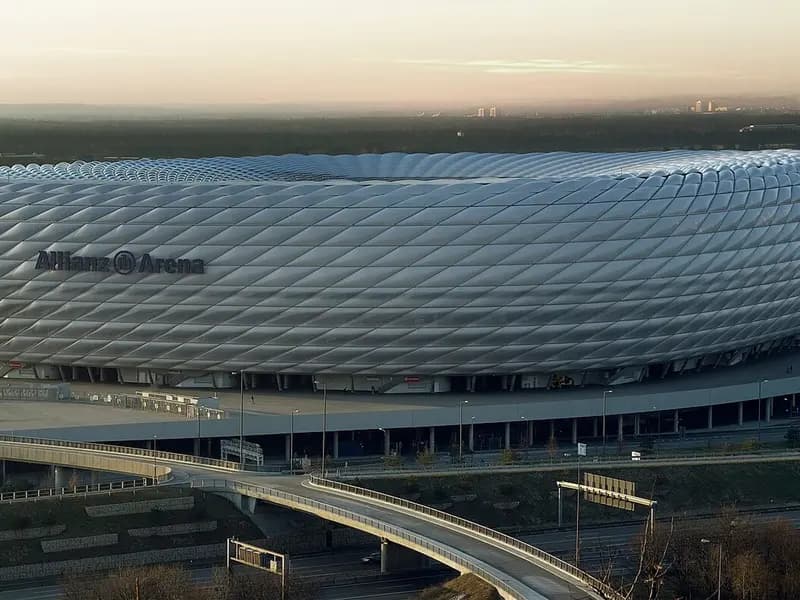
Rice Rescues Arsenal With an 82nd-Minute Equaliser at Bayern Munich After Kane's Penalty Made It 2-1
Oct 22, 2026/2 min read
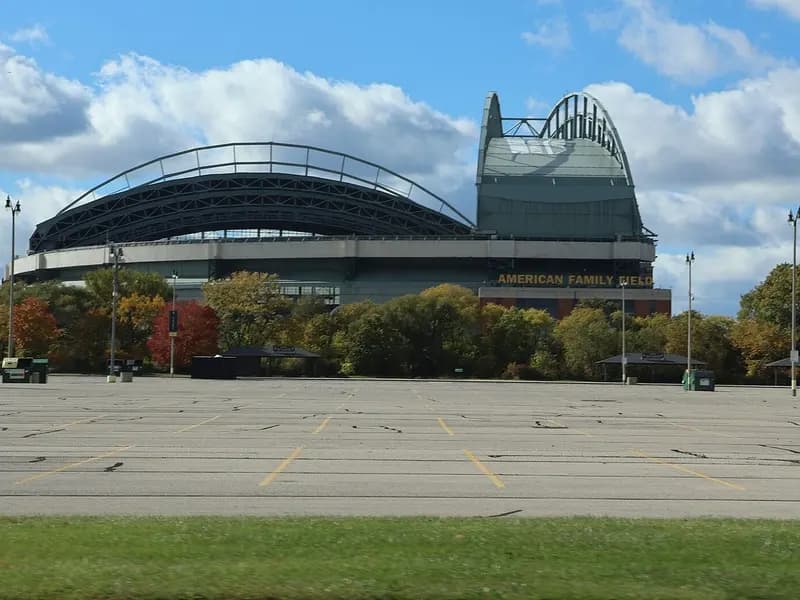
Rays and Brewers Meet in a World Series Neither Franchise Has Ever Won, With Game 1 on Friday
Oct 21, 2026/2 min read
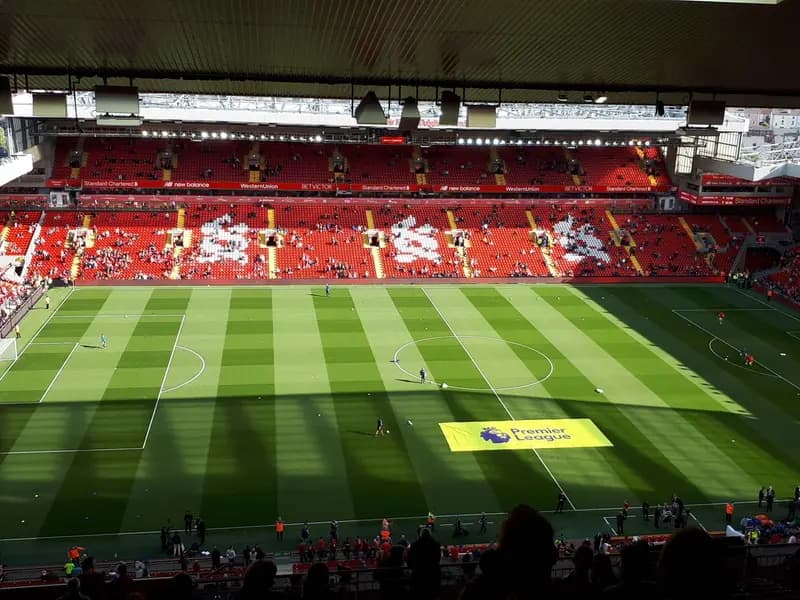
Liverpool Come From Two Goals Down to Beat Villarreal 4-3 on a Champions League Night of 40 Goals
Oct 21, 2026/2 min read