FDA Approves Hibsago, the First Antisense Drug for Chronic Hepatitis B, With a Boxed Warning
GSK's bepirovirsen cleared 19 percent of adults in pooled phase 3 trials of a surface-antigen cure marker, but it carries warnings for liver flares and falling platelet counts.
Thursday, October 22, 2026/2 min read
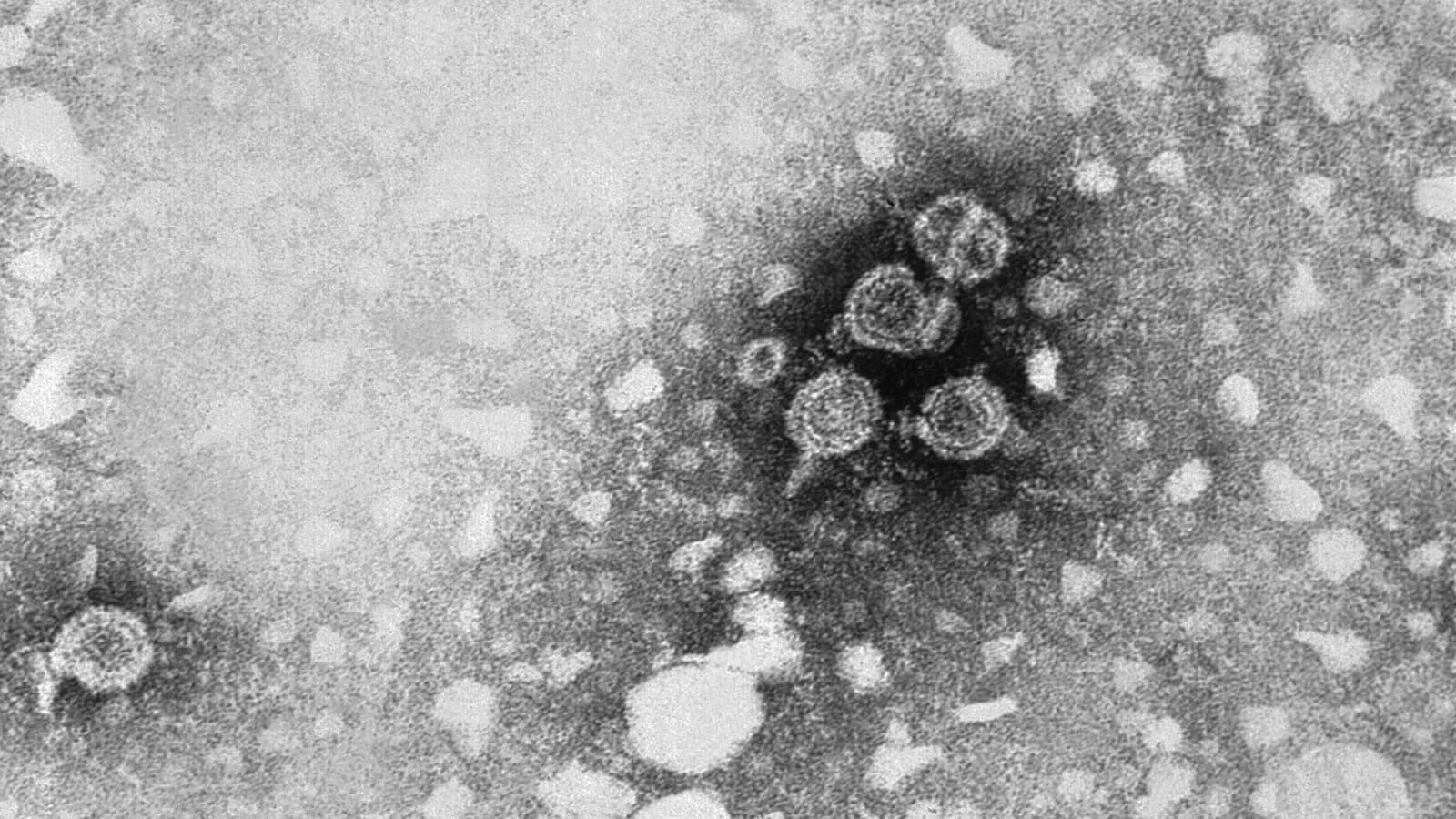
People with chronic hepatitis B have long been told the virus can be controlled but rarely cleared. On Tuesday, the US Food and Drug Administration approved a drug built to change that for some of them: GSK's Hibsago, known generically as bepirovirsen.
The FDA's novel drug approvals list records the approval on 20 October as No. 47 of 2026. AJMC calls it the first antisense oligonucleotide for the infection.
Who is Hibsago approved for?
It is given alongside existing antiviral therapy, not instead of it. GSK's announcement says it is for adults without cirrhosis who have taken a nucleos(t)ide analogue for at least six months, have suppressed viral DNA and have a surface antigen (HBsAg) level of 3,000 IU/mL or lower on an FDA-authorised test. Roche's quantitative HBsAg assay was approved as a companion diagnostic, AJMC reports.
Treatment is a six-month course, and patients can self-administer after the first dose, GSK says.
What did the trials show?
The approval rests on two phase 3 trials, B-Well 1 and B-Well 2, which were randomised, double-blind and placebo-controlled across 29 countries. The goal was functional cure: undetectable viral DNA and surface antigen for at least 24 weeks after all treatment stops.
In pooled results, 19 percent achieved it (233 of 1,220) with bepirovirsen, against none of 614 on placebo. Among those with a surface antigen of 1,000 IU/mL or lower, 26 percent did (200 of 768), against none of 393. Those are GSK's figures, which AJMC repeats. The week-72 antigen reductions are exploratory.
So most people treated did not reach functional cure. Functional cure is also not elimination of the virus.
What are the risks?
The label carries a boxed warning for two problems. The first is on-treatment liver flares, with liver enzyme rises of more than 20 to 40 times the upper limit of normal, mostly in the first 12 weeks. The second is sudden, potentially life-threatening drops in platelets, which requires weekly monitoring. It is contraindicated with platelets below 100 billion per litre, or with cirrhosis.
The most common reactions were injection-site reactions, fever, fatigue and headache. Other warnings cover worsening kidney function, inflammatory reactions and severe hepatitis B flares after stopping antiviral therapy, which need monitoring for at least a year. It is not recommended for people with hepatitis D, and there are no data on whether it prevents transmission.
GSK estimates 1.7 million people in the US live with chronic hepatitis B, and more than 240 million worldwide. It has not given a launch date or price.
This is reporting, not medical advice. Whether to take a drug like this, and when it is safe to change or stop any antiviral, is a decision for a clinician who knows the person's liver health, blood counts and history.
GSK says other regions are reviewing the drug, with decisions expected in the coming months. Real-world data on flares and platelet monitoring will show how well the trial results travel.
Published in The Outspoken Digest
Editorial desk
Outspoken Digest Health DeskMedicine, public health and the research behind the headlines, read carefully.
Newsletter
The Digest, in your inbox
One edition, sent when it is ready. No noise, and your address is never passed on.
Read Next
More Health →
A Night-Owl Subtype of Depression Appears to Start Earlier, Hit Harder and Respond Worse to Common Antidepressants
Oct 21, 2026/2 min read

CDC and FDA Link Salmonella Illnesses in 12 States to Raw Oysters From Virginia's Little Wicomico River
Oct 20, 2026/2 min read

FDA Approves Dostarlimab for dMMR Rectal Cancer, an Option That May Spare Some Patients Surgery
Oct 19, 2026/2 min read
Kenya's Ebola Count Rises to Seven After Three Health Workers Who Treated the First Patient Test Positive
Oct 17, 2026/2 min read