Small Pilot Trial Finds Meals or an App Slowed Weight Regain After People Stopped GLP-1 Drugs
In 39 adults followed for four months, regain after stopping weight-loss injections was about 11 percent of body weight with usual care and about 3.6 percent with tailored meals or the Noom app.
Outspoken Digest Nutrition Desk
Thursday, October 15, 2026/2 min read
Many people who start a GLP-1 drug for weight loss eventually stop, because of cost, side effects or supply. What happens next is the awkward part: weight tends to return. A small trial reported this month asks whether a plan for the day after the last injection can blunt that rebound, and the early answer is a cautious yes.
The study, published in Obesity Science and Practice and announced on 7 October and covered by Medical News Today on 14 October, was a pilot, not proof. It enrolled 39 adults.
What did the trial test?
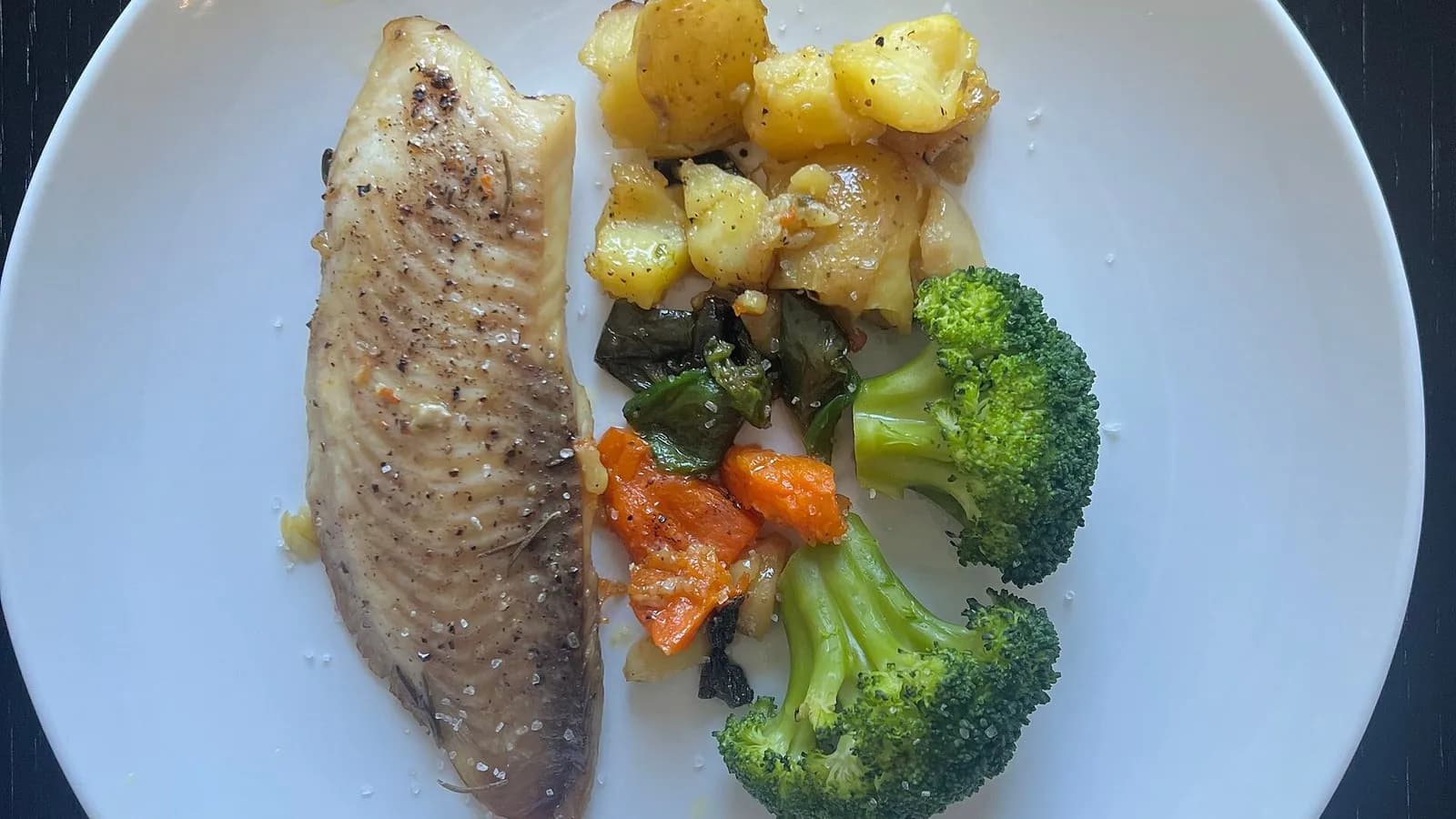
The participants had recently stopped GLP-1 medication after losing more than 10 percent of their body weight, an average of just over 18 percent. For four months, delivered remotely, they were split into three groups. One received typical care for maintaining weight loss. One got 10 dietitian-prepared, medically tailored meals a week. The third used the Noom behavioural app for at least 15 minutes a day. The corresponding author is Kelseanna Hollis-Hansen of the Tufts University Food is Medicine Institute.
How much weight came back?
Estimated regain was about 3.6 percent of body weight in the app group and 3.58 percent in the meals group, against 10.75 percent for usual care. Weight rose by about 2.94 percent a month in the control group and by less than 1 percent a month in each intervention group, Medical News Today reports. The headline regain figures match the News-Medical account of the Wiley release. Adherence, satisfaction and perceived effectiveness were similar across groups, and diet-quality scores were slightly higher in the app group, which the authors treat as a possible trend rather than a result.
How much weight should the findings carry?
Not much yet. The study was not powered to prove efficacy. Participants came from two regions of Texas, more than 80 percent were women, and most had stable finances. Weight and diet data relied partly on self-report, blinding was limited, and care in the control group may have varied. Four months cannot show whether the benefit lasts. Participants used the app about three days a week on average.
Hollis-Hansen said support after stopping these drugs matters and suggested clinicians and patients plan the transition, according to Medical News Today. Mir Ali, a physician not involved, said continuing the medication long term remains the most effective way to keep weight off at present.
The press release from the publisher, Wiley, on 7 October, carried the same caution: the findings suggest structured support may help slow early weight regain, and the weight changes are estimates, with no confidence intervals given.
This is reporting, not medical advice. Stopping or changing weight-loss medication, or adopting a structured meal or app programme, is a decision for a clinician or dietitian who knows your history. Larger, longer trials with more diverse participants are what would show whether food-based support can be recommended as standard practice.
Published in The Outspoken Digest
Editorial desk
Outspoken Digest Nutrition DeskDiet, food science and the evidence behind claims about what we eat.
Newsletter
The Digest, in your inbox
One edition, sent when it is ready. No noise, and your address is never passed on.
Read Next
More Nutrition →
Potassium-Rich DASH Diet Did Not Raise Blood Potassium to Unsafe Levels in Adults on Blood Pressure Drugs
Oct 13, 2026/2 min read
Matched for Calories and Macronutrients, an Ultra-Processed Meal Still Drew a Bigger Insulin Response in a Small Trial
Oct 9, 2026/3 min read
A Study of 371,000 Americans Found Whole Fruit, Not Juice, Is Linked to Better Heart Health
Oct 1, 2026/2 min read
Tirzepatide Switched On Calorie-Burning Brown Fat in Obese Mice, Independent of Its Appetite-Suppressing Effect
Sep 29, 2026/2 min read