Kibbeh Without Bulgur: The Potato and Rice Version Levantine Kitchens Already Make
Kibbeh is defined by bulgur, which is cracked wheat, so the gluten-free version has to be rebuilt rather than substituted. The good news is that the rebuild already exists in the region's own repertoire.
Tuesday, August 11, 2026/3 min read
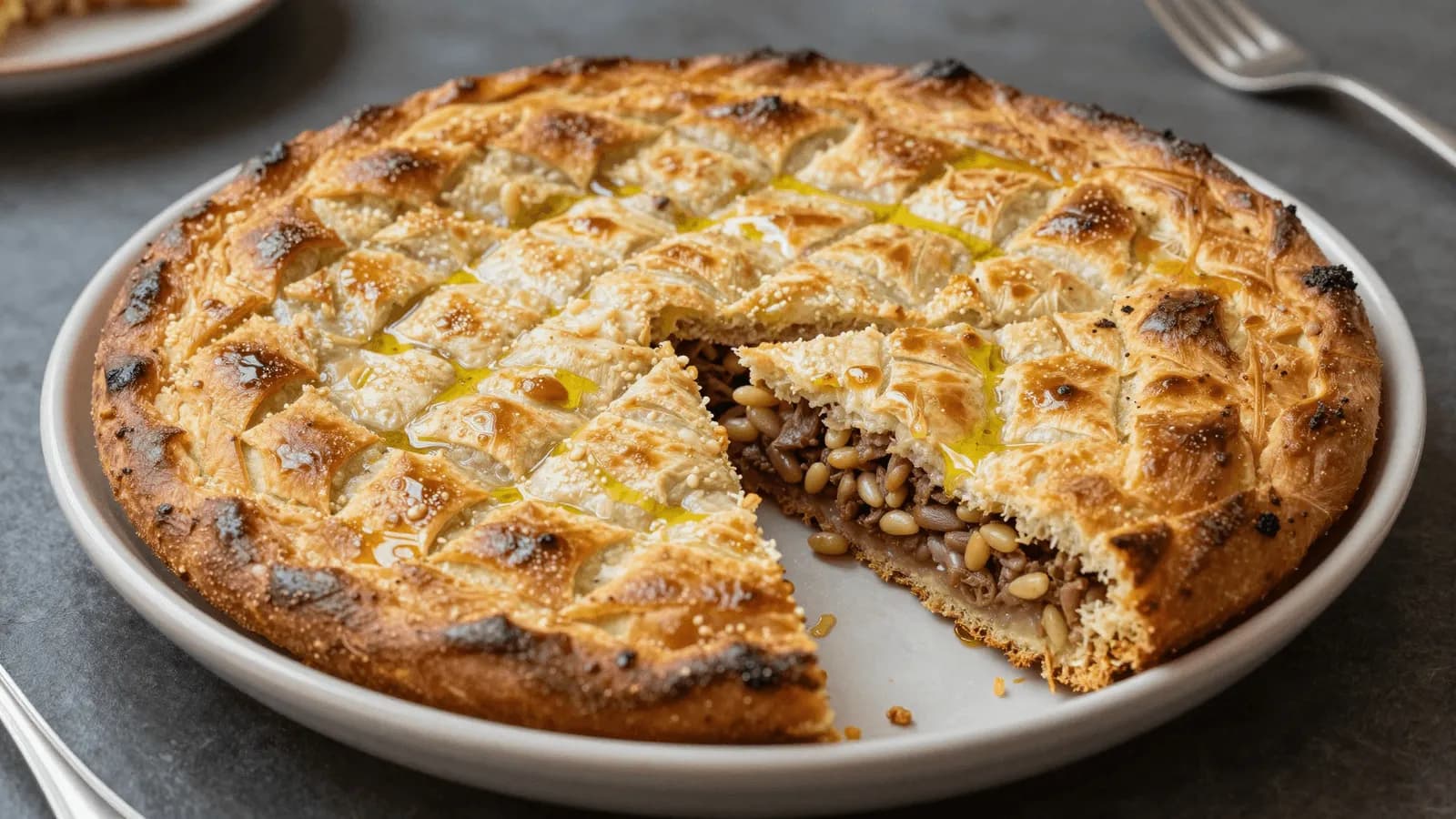
Kibbeh is one of the dishes people miss most when they stop eating gluten, because there is no clever swap. The shell is bulgur, bulgur is cracked wheat, and no starch behaves quite like it.
What saves the situation is that Levantine cooking already contains the answer. Kibbet batata, made with potato instead of bulgur, is a real dish in its own right, traditionally cooked during Lent in Lebanon and Syria. Nobody invented it for coeliacs. It is simply good.
This version combines potato with a little short-grain rice, which restores some of the graininess bulgur provides and stops the shell being purely soft.
Ingredients
Serves six as a main, baked in a tray.
For the shell:
- 1 kg floury potatoes
- 100 g short-grain rice
- 1 small onion, grated and squeezed dry
- 1 teaspoon dried mint
- Half a teaspoon ground cinnamon
- Quarter teaspoon ground allspice
- Salt and black pepper
- 2 tablespoons olive oil
For the filling:
- 400 g minced lamb, or beef
- 2 onions, finely chopped
- 60 g pine nuts
- 1 teaspoon ground cinnamon
- Half a teaspoon ground allspice
- A quarter teaspoon of ground clove
- 2 tablespoons pomegranate molasses
- Salt and pepper
- Olive oil for the tray
Method
1. Cook the rice down
Simmer the rice in plenty of salted water for about 20 minutes, longer than you would for a pilaf. You want it soft and slightly broken, because it is acting as a binder rather than as rice. Drain thoroughly.
2. Boil and dry the potatoes
Boil the potatoes whole in their skins until completely tender, then peel while hot and mash. Return the mash to the dry pan over low heat for a minute or two to drive off steam.
Dry mash is essential. Wet potato gives a shell that slumps in the oven and never firms up.
3. Make the shell mixture
Combine the mash, the rice, the grated onion, the spices, the olive oil and a generous amount of salt. Work it with your hands until it is smooth and holds together like a firm dough.
Taste it. This mixture should be well seasoned on its own, because nothing later in the recipe will fix it.
4. Make the hashweh
Toast the pine nuts in a dry pan and set aside. Soften the onions in olive oil until golden, add the meat, and cook over decent heat until it has browned rather than steamed.
Add the spices, salt and pepper, then the pomegranate molasses, and cook another two minutes. Stir the pine nuts through at the end so they stay crisp.
5. Layer and score
Oil a round or rectangular baking tray. Press half the potato mixture in as an even layer, using wet hands to smooth it.
Spread the filling over it, then top with the remaining potato. Wet your palms again and flatten the top properly, since an uneven surface bakes unevenly.
Score the top into diamonds with a knife, cutting through the top layer only, and brush generously with olive oil. The oil is what browns it.
6. Bake
200C for 35 to 40 minutes, until the top is deep gold and the edges have pulled slightly from the tray.
Let it stand ten minutes before cutting. Straight from the oven it will not hold its shape.
Notes
Serve with yoghurt or with a sharp salad. Cold, the next day, it is arguably better, and it fries well in slices.
For a vegetarian version, replace the meat with cooked brown lentils, and increase the pomegranate molasses slightly to compensate for the lost richness.
The classic baked wheat version, for anyone cooking for a mixed table, is our kibbeh bil sanieh, and the two can be made side by side with the same filling.
The gluten-free footnote
Everything here is naturally gluten free, but check the pomegranate molasses, since some commercial brands include additives, and check your spice blends. Ground spice mixes are a routine source of cross-contamination and one of the things people with coeliac disease most often overlook.
Our guide to gluten-free flours and contamination covers where the hidden wheat usually is, and the difference between coeliac disease and gluten sensitivity determines how strict you have to be about all of it.
Published in The Outspoken Digest
Editorial desk
Outspoken Digest Food DeskCooking, ingredients, restaurants and the economics of what ends up on the table.
Newsletter
The Digest, in your inbox
One edition, sent when it is ready. No noise, and your address is never passed on.
Read Next
More Recipes →
Swangy Tamarind Glazed Chicken Wings for the Flavour Replacing Swicy on Fast Food Menus
Sep 29, 2026/3 min read

Baked Apple Cider Doughnuts for a Cider Season That Peaked Earlier Than the Calendar Says
Sep 29, 2026/3 min read
An Obatzda Bavarian Beer Cheese Dip for the Final Stretch of Oktoberfest 2026
Sep 29, 2026/3 min read