GM Will Pay $220 Million to 36 States Over Selling Drivers' Location and Driving Data
General Motors settles with 36 attorneys general over data from its Smart Driver feature, and must now get express consent before collecting or sharing how and where people drive.
Outspoken Digest Technology Desk
Friday, October 30, 2026/3 min read
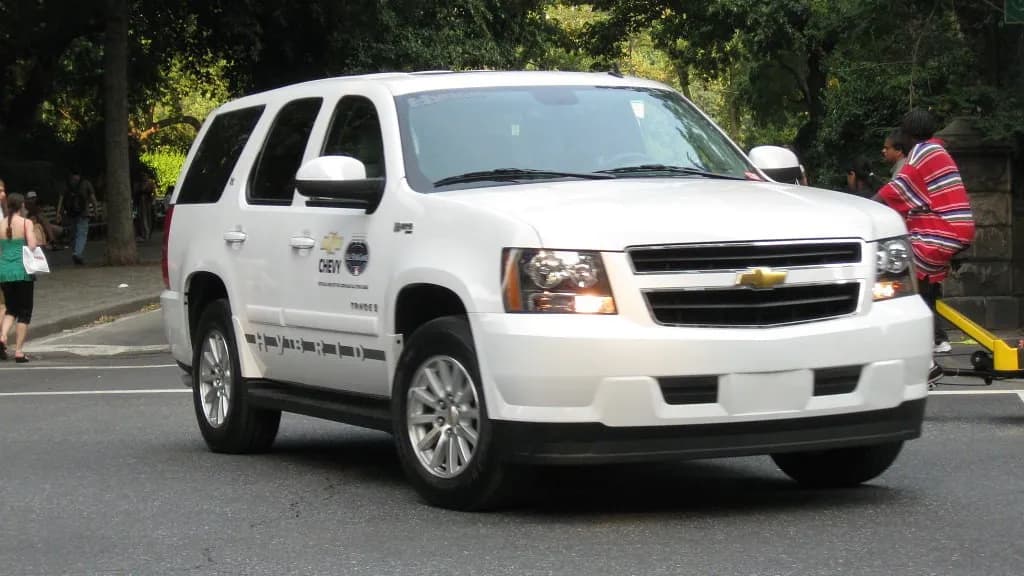
General Motors has agreed to pay $220 million to settle claims from a coalition of 36 state attorneys general that it sold drivers' location and driving-behavior data to data brokers, which passed it to insurers. The deal was announced on Thursday, TechCrunch reported, and it comes with a rule that matters more to most drivers than the money: GM must now get affirmative, express consent before collecting or sharing that kind of data.
The data came from Smart Driver, a free feature in GM's connected-car apps that tracked and scored how people drove. The company ended the program in 2024, and a GM spokesperson said the agreement "addresses Smart Driver, a product we ended in 2024."
What did GM allegedly do with driver data?
The states allege that Smart Driver ran from 2016 to 2024 and enrolled millions of people, according to The Record. GM marketed it as a way to improve safety and, the states say, promised not to hand data to insurers without consent, yet sold it to brokers whose contracts indicated it would reach insurers. The data allegedly included the number of trips, start and end times, hard braking, rapid acceleration and speeding. Insurers, the states say, used it in pricing.
Regulators also allege that GM told more than 370,000 customers their driving was not being monitored when it was, then quietly unenrolled them, and did not retrieve data already sent to brokers and insurers. They further allege that dealership staff received bonuses for enrolling customers and that dealerships were ranked against one another. These are allegations resolved by a settlement, not court findings.
The case traces to a 2024 New York Times investigation of how carmakers share driving data. Its reporting identified the data brokers LexisNexis and Verisk among the recipients, TechCrunch notes.
What changes for GM drivers now?
Beyond express consent, GM must limit how much driving data it collects, run a comprehensive privacy program, undergo internal and external assessments, and improve oversight and training at dealerships. The settlement also adds a requirement that a third party assess GM's compliance. A press release described it as significantly stronger than any other resolution reached with GM over this conduct.
GM says it will no longer sell vehicle information that can be linked to an individual, a vehicle's location or how someone drives, though it may still share anonymized data that is not tied to individuals with certain partners. It has updated its privacy policy and built a consumer Privacy Center. The agreement follows a Federal Trade Commission order finalized in January 2026 that bars GM and OnStar from sharing certain consumer data and requires explicit consent for some collection.
Is the GM data case over?
Not entirely. A separate suit filed by Texas Attorney General Ken Paxton in 2024 is still going. Texas seeks a jury trial, civil penalties of up to $10,000 per offense and an order requiring GM to delete the data it collected, The Record reported.
The settlement lands as GM adds a personal AI assistant to OnStar and connected cameras that offer live views and crash recordings. GM says neither it nor OnStar can access Connected Camera recordings, and customers who opt out of data sharing will probably lose some features. For drivers, the practical question is the one the settlement turns on: what does the app ask permission for, and what does it quietly keep?
Published in The Outspoken Digest
Editorial desk
Outspoken Digest Technology DeskSoftware, hardware, artificial intelligence and what they change for everyone else.
Newsletter
The Digest, in your inbox
One edition, sent when it is ready. No noise, and your address is never passed on.
Read Next
More Technology →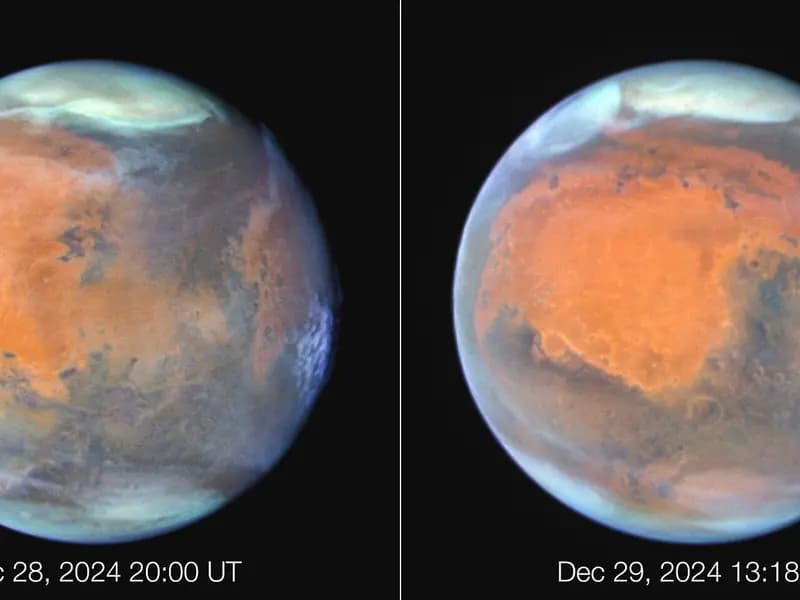
A Sahara Meteorite Is at Least 4.1 Billion Years Old and May Be the Oldest Known Piece of Mars
Oct 30, 2026/2 min read
DoorDash Agrees to Buy Instacart for About $17 Billion, Paying $65 a Share
Oct 29, 2026/2 min read

Mars's Strangest Cloud May Freeze Straight From Vapour With No Dust Seed, a New Study Suggests
Oct 29, 2026/2 min read

Apple Unveils Its First Touchscreen MacBook Pro, From $2,899, on Sale 6 November
Oct 29, 2026/2 min read