A Healthy Diet Is Becoming a Luxury, and That Is a Public Policy Failure
The 2026 global food-security debate is shifting from calories alone to whether families can afford nutritious food. The consequences reach health, education and productivity.
Outspoken Digest Nutrition Desk
Friday, July 31, 2026/3 min read
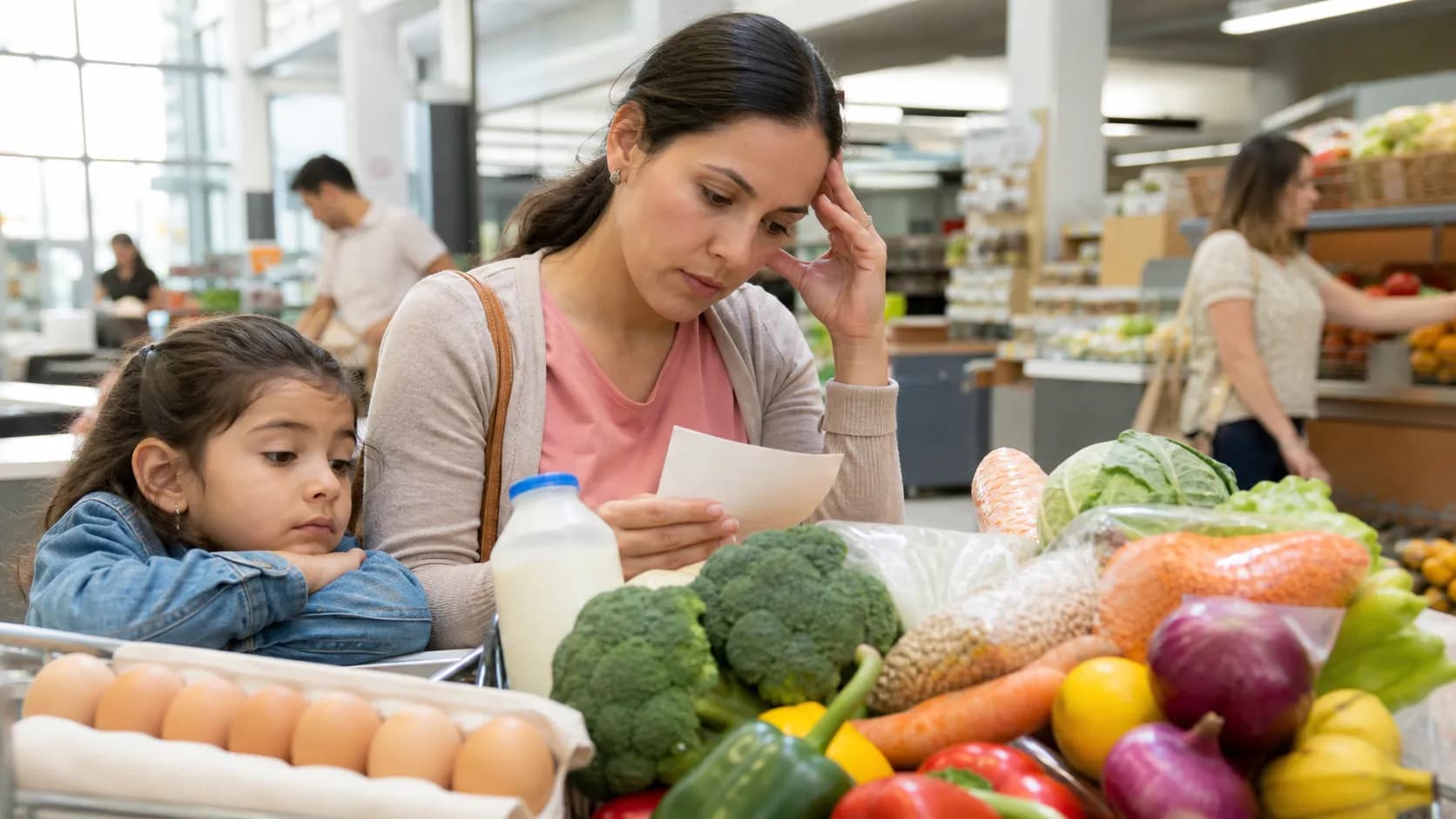
A family can consume enough calories and still be poorly nourished. That distinction is moving to the center of the global food debate in 2026 as the price of a healthy diet becomes a barrier in its own right. When fruit, vegetables, pulses, dairy, eggs or fish are consistently unaffordable, the cheapest available calories can fill stomachs while increasing long-term health risks.
The 2026 State of Food Security and Nutrition in the World focuses on the high cost and affordability of a healthy diet. That framing is important because hunger statistics alone cannot capture a household forced to remove nutritious variety week after week.
Why the price of a diet matters more than one food
Nutrition comes from a pattern, not a miracle ingredient. A healthy diet requires enough energy, protein, micronutrients and diversity across time. Price shocks can quietly narrow that pattern. Families may reduce fresh produce, replace protein with refined starches, skip meals or prioritize children while adults eat less.
These choices are rational responses to limited money. Lecturing people about willpower does nothing when wages, rent, transport and food prices do not line up. Public health advice becomes credible only when the recommended food is physically available and financially reachable.
The consequences begin early and last
Poor maternal and child nutrition can affect growth, immunity and learning. Adults may face a double burden: nutrient deficiencies alongside obesity, diabetes or cardiovascular disease driven partly by cheap, energy-dense diets. The effect reaches schools through concentration and attendance, workplaces through illness and fatigue, and health budgets through preventable chronic disease.
Food insecurity also creates mental strain. Planning every meal around scarcity, hiding financial stress from children and choosing between food and medicine impose a psychological cost that is rarely visible in a supermarket receipt.
Conflict and climate amplify the affordability problem
The FAO's July list of countries requiring external food assistance shows how conflict, drought, displacement and high prices overlap. A disrupted shipping route can raise fuel and fertilizer costs. Extreme weather can reduce harvests. Currency weakness makes imported food more expensive. Fragile health and social-protection systems then struggle to soften the shock.
Affordability can deteriorate even when food exists nationally. Transport costs, local market access, household income and unequal care responsibilities determine who can actually buy it. Women and children often absorb the adjustment first.
What effective policy looks like
The fastest help is targeted income or food support that reaches people before malnutrition becomes severe. School meals protect children and household budgets simultaneously. Maternal nutrition programs, community health screening and support for breastfeeding can improve outcomes during the most sensitive periods.
Longer-term policy must improve supply as well as demand. Cold chains, storage, local markets, reliable electricity and transport reduce losses and bring perishable food closer to consumers. Agricultural support should encourage nutritious crops and climate resilience, while competition policy can address abusive concentration or opaque pricing.
What families can do without accepting blame
Households can compare unit prices, use pulses and eggs as affordable protein where suitable, buy seasonal produce and plan around waste. Frozen or canned vegetables can be nutritious when fresh options are costly, though sodium and added sugar deserve attention. These tactics may stretch a budget, but they cannot repair poverty or a broken food system.
The essential idea is simple: a healthy diet should be treated as infrastructure for human development, not a premium lifestyle product. When nutritious food becomes a luxury, the resulting illness and lost potential are eventually paid for by everyone.
Published in The Outspoken Digest
Editorial desk
Outspoken Digest Nutrition DeskDiet, food science and the evidence behind claims about what we eat.
Newsletter
The Digest, in your inbox
One edition, sent when it is ready. No noise, and your address is never passed on.
Read Next
More Nutrition →
Small Pilot Trial Finds Meals or an App Slowed Weight Regain After People Stopped GLP-1 Drugs
Oct 15, 2026/2 min read
Potassium-Rich DASH Diet Did Not Raise Blood Potassium to Unsafe Levels in Adults on Blood Pressure Drugs
Oct 13, 2026/2 min read
Matched for Calories and Macronutrients, an Ultra-Processed Meal Still Drew a Bigger Insulin Response in a Small Trial
Oct 9, 2026/3 min read
A Study of 371,000 Americans Found Whole Fruit, Not Juice, Is Linked to Better Heart Health
Oct 1, 2026/2 min read