How to Measure Your Blood Pressure at Home So the Number Means Something
A home reading is only as good as the way it was taken. Sit, rest, support the arm, use the right cuff, and take readings for a week. The thresholds at home are lower than in the clinic.
Saturday, September 19, 2026/3 min read
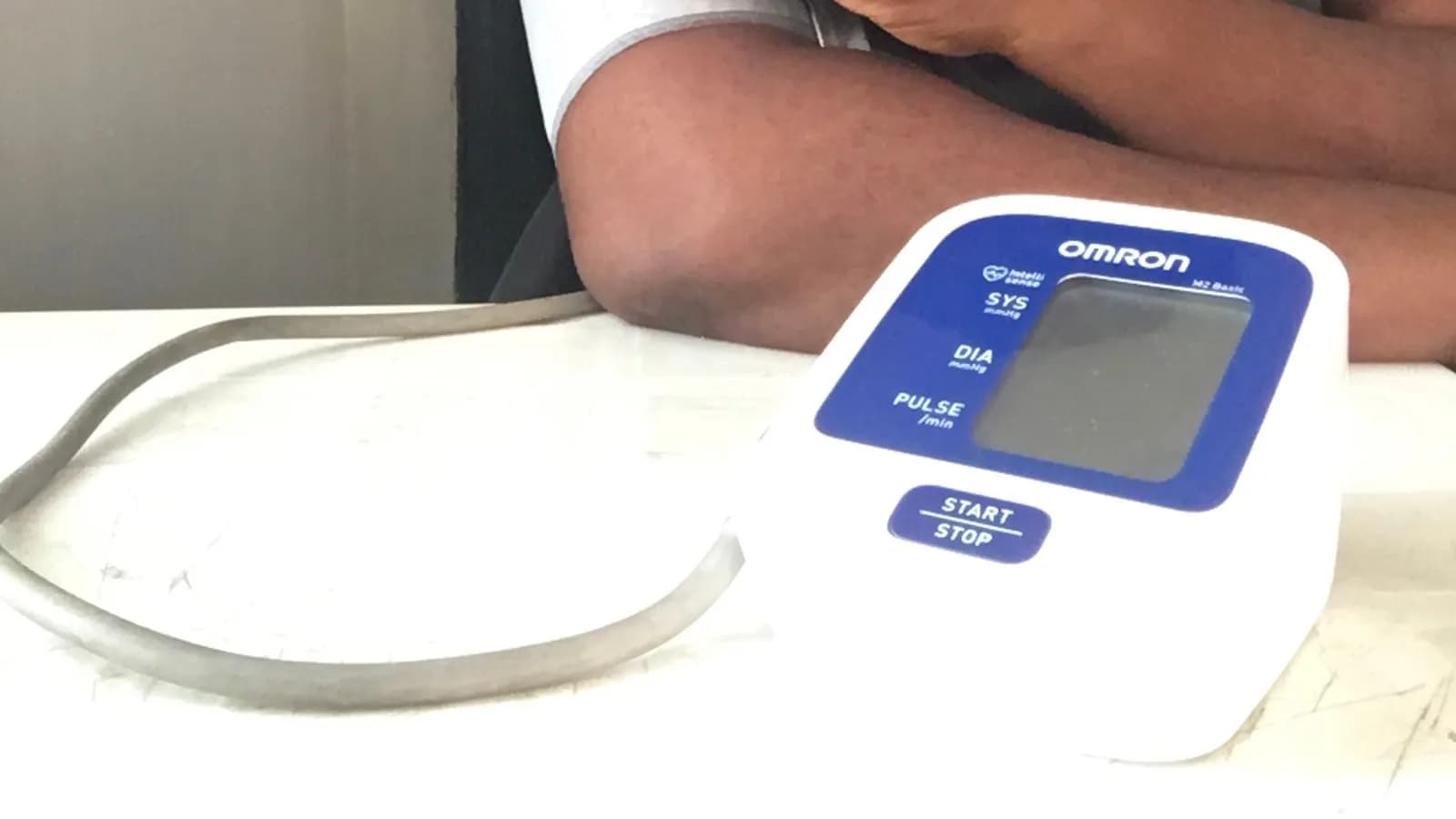
High blood pressure rarely announces itself. The NHS describes it as a condition that usually has no symptoms, and the only way to find out is to have it checked. A home monitor is a sensible way to do that, and an increasingly common one: it avoids the nervous spike some people get in a clinic, and a week of readings tells a doctor more than one. But a home number is only as reliable as the way it was taken, and most of the mistakes are small and fixable.
Which numbers count
A reading has two figures, systolic over diastolic, in millimetres of mercury. The NHS says you are usually considered to have high blood pressure if your reading is 140/90 or higher when checked by a healthcare professional, or 135/85 or higher when checked at home. The thresholds differ because home readings run lower, on average, than clinic ones. An ideal range, by NHS definition, sits between 90/60 and 120/80. National guidance from NICE, set out in its hypertension guideline, uses the same home threshold when confirming a diagnosis. Treat any one reading with caution; it is the average that matters.
Choose the right monitor
An upper-arm cuff is more reliable than a wrist device for most people. Check that the monitor has been validated for accuracy; the British and Irish Hypertension Society keeps a list of validated models, and the British Heart Foundation's high blood pressure pages are a good starting point. The cuff must fit. A cuff that is too small reads falsely high, and too large reads low; check the measurement range printed on the cuff against the circumference of your upper arm.
How to take a reading
- Do not smoke, drink caffeine or exercise for 30 minutes beforehand, and use the toilet first. A full bladder can raise a reading.
- Sit in a chair with your back supported, feet flat on the floor and legs uncrossed, for five minutes. Do not talk or look at your phone.
- Rest your bare upper arm on a table so that the cuff sits at the level of your heart. Roll up a sleeve rather than pushing it up tight. Put the cuff on the bare skin.
- Press start and stay still. Do not speak while it inflates.
- Take two readings, one minute apart, and write both down with the date and time.
The week
To confirm a pattern, follow the routine commonly advised for seven days: two readings in the morning, before medication if you take any and before breakfast, and two in the evening, every day. Discard the first day's readings, because they tend to run high, and average the rest. Bring the log to your GP. A consistent average at or above 135/85 deserves a conversation; one high number on a bad day does not.
What to do with the result
Do not change or stop any medication on the strength of home readings; discuss them first. If you are told you have high blood pressure, the first-line measures are the ones the NHS lists in its guidance: less salt, regular exercise, a healthy weight and less alcohol, and many people also need tablets. Our guide to salt and blood pressure in the Gulf covers the hidden sources.
When it is urgent
Very high readings, especially with severe headache, chest pain, blurred vision, confusion or shortness of breath, need urgent medical attention. In the UK that means NHS 111 for worrying symptoms and 999 for chest pain that does not go away. Elsewhere, use the local emergency number. A home monitor is a screening tool, not a diagnostic one, and it is best treated as the way you gather information for a clinician rather than an alternative to one.
Published in The Outspoken Digest
Editorial desk
Outspoken Digest Health DeskMedicine, public health and the research behind the headlines, read carefully.
Newsletter
The Digest, in your inbox
One edition, sent when it is ready. No noise, and your address is never passed on.
Read Next
More Health →
FDA Approves Hibsago, the First Antisense Drug for Chronic Hepatitis B, With a Boxed Warning
Oct 22, 2026/2 min read
A Night-Owl Subtype of Depression Appears to Start Earlier, Hit Harder and Respond Worse to Common Antidepressants
Oct 21, 2026/2 min read

CDC and FDA Link Salmonella Illnesses in 12 States to Raw Oysters From Virginia's Little Wicomico River
Oct 20, 2026/2 min read
FDA Approves Dostarlimab for dMMR Rectal Cancer, an Option That May Spare Some Patients Surgery
Oct 19, 2026/2 min read