The Home Library Is Returning Without the Grand Room
Readers are building small, visible book zones into hallways, bedrooms and dining rooms, proving a home library is a habit before it is architecture.
Outspoken Digest Editorial Desk
Tuesday, July 28, 2026/2 min read
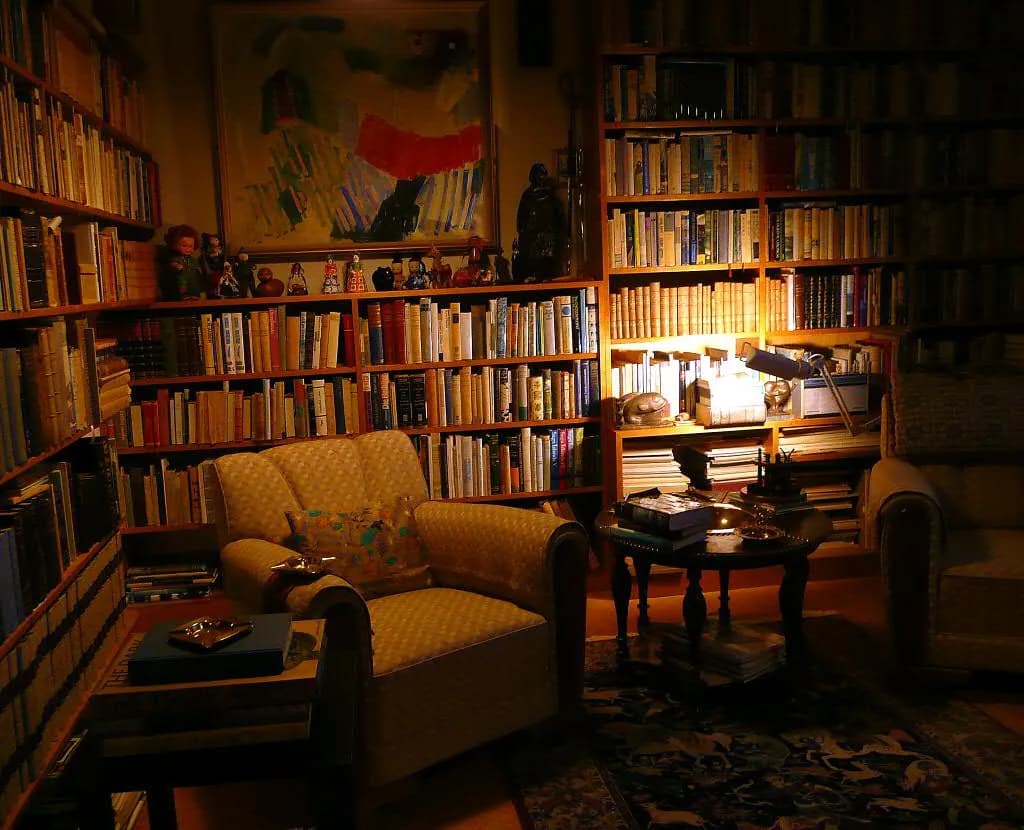
The fantasy home library has ladders, paneled walls and a door that closes. The version returning to ordinary homes is smaller and more useful. It may be one shelf beside a chair, a hallway wall, a stack of current books and a lamp positioned for an actual evening of reading. Its power comes from visibility rather than square footage.
Why this is landing now
American Library Association: Libraries Transform provides the factual starting point. Books compete poorly when they are stored like archive material while a phone stays within reach. A reading zone changes the default. The next book is visible, the light is ready and the chair does not need to be cleared first. This connects interior design with behavior: a room can quietly suggest what happens there.
Styled shelves can turn books into color-coordinated props and create pressure to buy more than anyone reads. A personal library should reveal use. Mixed sizes, notes, borrowed titles and gaps are evidence of a living collection, not design failures.
What it looks like in ordinary life
The durable version should improve attention, belonging or daily ease without demanding that every quiet pleasure become a project.
Start with one shelf and remove books you would not recommend or revisit. Place unread books at eye level and give current reading a tray or small table. Add a warm, directional light that does not glare on the page. Keep a pencil and bookmark nearby. If space is tight, use the end of a wardrobe or a narrow landing rather than blocking circulation.
A compact reader's checklist
- Build around the next reading session, not a photograph.
- Use warm directional light and a comfortable seat.
- Secure shelving and keep circulation clear.
What the wider evidence adds
Project for Public Spaces on Libraries as Social Infrastructure adds a second perspective. The American Library Association emphasizes reading access and the role of libraries in lifelong learning, while design research on environmental cues shows how visible, convenient objects shape repeated behavior. The home version should complement public libraries, not replace the discovery and shared resources they provide.
The comparison matters because one dramatic example rarely explains a whole trend. A useful article should leave the reader with a way to test the idea, notice tradeoffs and choose a proportionate next step.
The part worth resisting
Do not overload floors or improvised wall shelves; books are heavy. Secure tall units, especially in homes with children or earthquake risk. Protect rare or sentimental volumes from direct sun and humidity, but let everyday books remain easy to reach.
The lasting idea
Begin small enough to observe the result. Keep what improves the real experience and release what only looked convincing in a headline or showroom. Curiosity becomes valuable when it is paired with boundaries, evidence and permission to decide that a trend is not for you.
Published in The Outspoken Digest
Editorial
Outspoken Digest Editorial DeskThe Digest's own desk: the pieces that do not sit in one section.
Newsletter
The Digest, in your inbox
One edition, sent when it is ready. No noise, and your address is never passed on.
Read Next
More Lifestyle →
Two Stolen Renoirs Found Behind a Cinder-Block Wall as Police Say Suspects Eyed the Fondation Maeght
Oct 15, 2026/2 min read

Hulu Orders Ryan Coogler's X-Files Reboot to Series With Danielle Deadwyler and Himesh Patel
Oct 14, 2026/2 min read
Tarek Atoui Opens Hold in Tate Modern's Turbine Hall, Turning the Cavernous Space Into a Giant Sound Instrument
Oct 13, 2026/2 min read

Jodie Comer, Adrian Lester and a Mary Whitehouse Play Take Top Honours at the 2026 UK Theatre Awards
Oct 12, 2026/2 min read