A Honeycrisp Apple Cake to Make While This Autumn's Smaller, Sweeter Crop Is at Its Peak
US apple production is forecast to fall 7 per cent this year after a rough spring, which growers say has concentrated flavour in a smaller harvest. This spiced cake uses whole wedges of Honeycrisp, not grated apple, so the fruit stays distinct.
Saturday, September 26, 2026/3 min read
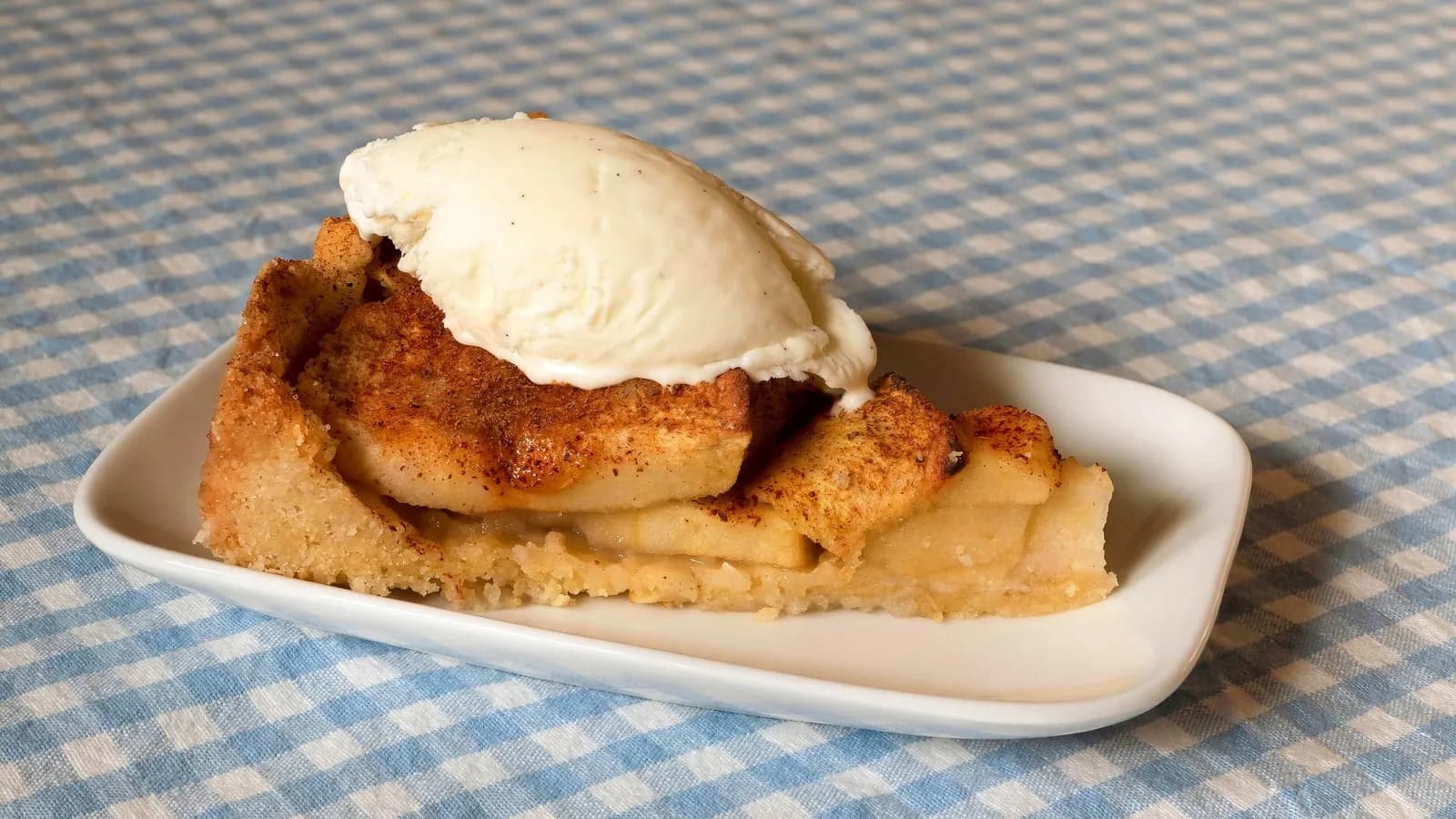
US apple growers are bringing in a smaller crop this autumn. The United States Apple Association's 2026 Industry Outlook Report, released in late August, forecasts national production down 7 per cent year over year to roughly 263 million bushels, with declines reported across Washington, New York and Michigan alike, according to The Packer's coverage of the report and a parallel account from FreshPlaza. A cold snap during spring bloom in several growing regions is the reason most often cited for the shortfall, and growers in Pennsylvania and elsewhere have described the resulting fruit that did make it through as smaller in volume but good in quality, with flavour concentrated rather than diluted across a lighter harvest.
Why Honeycrisp specifically
Michigan State University's extension service lists Honeycrisp among the varieties reaching peak harvest through late September into October, and its particular combination of a dense, crisp bite with real acidity is what makes it worth baking with rather than only eating out of hand. Many baking apples soften into mush in the oven; Honeycrisp holds its shape and a distinct bite even after fifty minutes at 180C, which is why this cake uses thick wedges rather than the grated apple most carrot-cake-style bakes call for. You get pockets of tender, spiced apple through the crumb instead of a uniformly moist sponge with no texture left in it.
Ingredients, for one 23cm round cake
- 3 medium Honeycrisp apples, peeled, cored and cut into 1cm wedges
- 2 tablespoons lemon juice
- 280g plain flour
- 2 teaspoons baking powder
- 1/2 teaspoon bicarbonate of soda
- 1/2 teaspoon salt
- 2 teaspoons ground cinnamon
- 1/4 teaspoon ground nutmeg
- 170g unsalted butter, softened
- 200g light brown sugar
- 2 large eggs
- 1 teaspoon vanilla extract
- 180ml buttermilk
- 2 tablespoons demerara sugar, for the top
Method
Heat the oven to 180C and butter a 23cm round cake tin, lining the base with baking paper. Toss the apple wedges with the lemon juice in a bowl and set aside; the acid keeps them from browning while you make the batter and adds a faint sharpness that balances the cake's sweetness later. Whisk the flour, baking powder, bicarbonate of soda, salt, cinnamon and nutmeg together in a separate bowl.
Cream the butter and brown sugar together until pale and noticeably lighter in colour, about four minutes with an electric mixer, then beat in the eggs one at a time followed by the vanilla. Add the flour mixture in three additions, alternating with the buttermilk in two, mixing only until each addition just disappears; overmixing at this stage is what makes a dense, rubbery cake rather than a tender one. Fold in the apple wedges by hand along with any lemon juice pooled in the bowl.
Scrape the batter into the prepared tin, smooth the top, and scatter the demerara sugar evenly over the surface for a crackled, faintly crisp crust. Bake for 50 to 55 minutes, until a skewer inserted into the centre comes out with a few moist crumbs but no wet batter, tenting the top loosely with foil after 35 minutes if it is browning faster than the centre is setting. Cool in the tin for 15 minutes before turning out onto a rack.
Serving it
The cake keeps well at room temperature under a cake dome for three days, and the apple wedges' texture actually improves slightly on the second day as the surrounding crumb absorbs a little more moisture from them. Serve it plain with coffee, or warm a slice for twenty seconds and add a spoonful of unsweetened yoghurt or creme fraiche, whose sharpness does the same job the lemon juice does inside the batter, cutting through the sugar rather than adding to it.
Published in The Outspoken Digest
Editorial desk
Outspoken Digest Food DeskCooking, ingredients, restaurants and the economics of what ends up on the table.
Newsletter
The Digest, in your inbox
One edition, sent when it is ready. No noise, and your address is never passed on.
Read Next
More Recipes →
Swangy Tamarind Glazed Chicken Wings for the Flavour Replacing Swicy on Fast Food Menus
Sep 29, 2026/3 min read

Baked Apple Cider Doughnuts for a Cider Season That Peaked Earlier Than the Calendar Says
Sep 29, 2026/3 min read
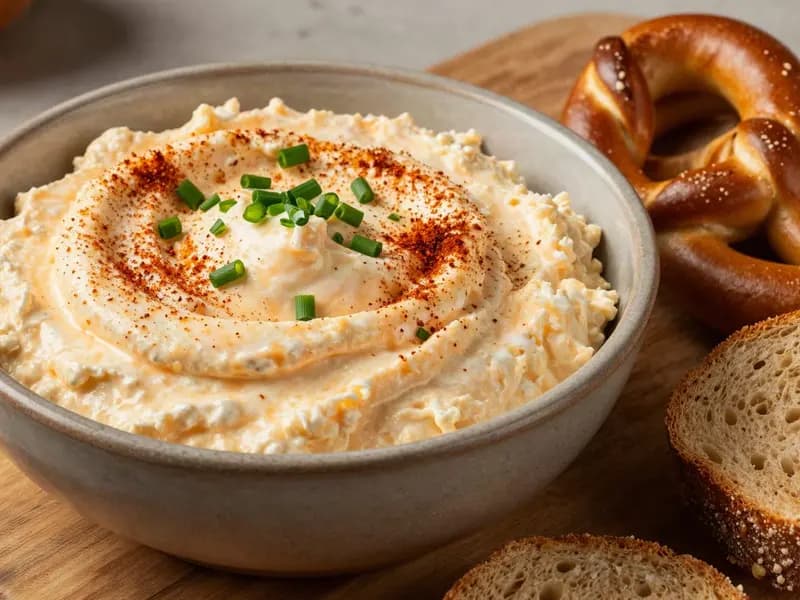
An Obatzda Bavarian Beer Cheese Dip for the Final Stretch of Oktoberfest 2026
Sep 29, 2026/3 min read