Iceland Voted No by Four Points, and the Reason Is Eight Per Cent of Its Economy
52.8 per cent against reopening accession talks, on a turnout of 82.5 per cent. Fishing is 8 per cent of GDP and 40 per cent of exports, and the Common Fisheries Policy is the one thing membership would not have let Iceland keep.
Outspoken Digest Business Desk
Monday, August 31, 2026/4 min read
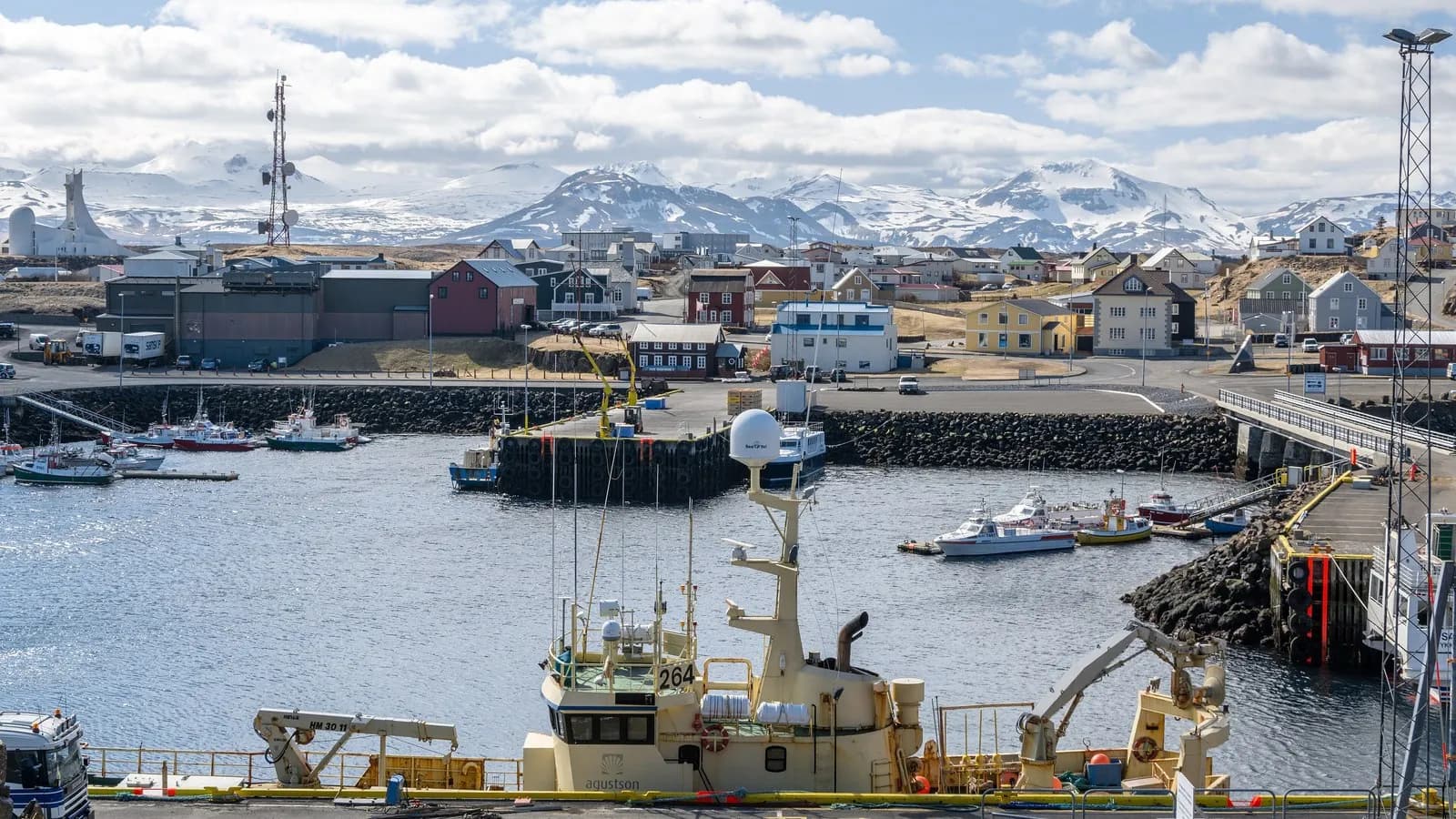
Iceland voted on Saturday against reopening the European Union accession negotiations it abandoned in 2015. The result was 52.8 per cent no to 47.2 per cent yes, on a turnout of 82.5 per cent, with 225,031 votes cast in a country of fewer than 400,000 people.
A four point margin on an eighty two per cent turnout is a real answer. It is also, almost exactly, the Brexit margin of 51.89 to 48.11, which is worth holding in mind before anyone describes this as decisive.
What was actually on the ballot
Not membership. Permission to negotiate.
A yes would have restarted talks, and any agreement those talks produced would have gone back to voters in a second referendum. Icelanders were being asked whether to find out the terms, and they declined to find out.
That distinction gets lost in the reporting and it matters, because it tells you the no vote was not a judgement on a deal nobody had seen. It was a judgement that the process itself was not worth starting.
Why fishing decides an Icelandic referendum
The fishing industry is about 8 per cent of GDP and 40 per cent of exports. A Gallup poll found around 90 per cent of companies in the sector opposed joining.
Membership would have placed Icelandic waters under the Common Fisheries Policy, which sets catch quotas and access at the European level. For most member states that is a technical arrangement about a minor industry. For Iceland it is the industry, and the country has fought three separate confrontations with Britain over exactly this question within living memory.
So the vote was not really about Brussels in the abstract. It was about whether a quota decided elsewhere is compatible with an economy that floats on fish, and the answer was no by a margin that tracks how much of the country depends on it.
The map says the same thing more clearly than the total
Reykjavik voted yes, by 54.5 per cent in the southern constituency and 57.5 per cent in the northern one. Rural constituencies voted no by margins above 60 per cent.
This is the cleanest version of a pattern that has now repeated across most European referendums of the last fifteen years: the capital votes for integration, the places where the export economy physically happens vote against it. In Iceland the two are unusually easy to separate, because the fish are landed in the towns and the arguments for membership are made in the city.
The strongest argument for no was not sovereignty
It was that Iceland already has most of what membership offers.
Through the European Economic Area, Iceland has single market access. It is in Schengen. It is in the Emissions Trading System. It is in NATO. What the EEA excludes is agriculture and fisheries, which is to say it excludes precisely the sector that did not want to be included.
Prime Minister Kristrun Frostadottir, whose government put the question, noted that voters are very satisfied with the EEA agreement. That is a fair reading of the result and an uncomfortable one for her, because it means the status quo won on its merits rather than on fear.
The EEA is not a free arrangement, and this is the part that gets underweighted on both sides. It means adopting a large volume of single market rules without a vote on them, which we looked at from the other direction in the AI Act's transparency rules: European regulation reaches well past the borders of the union, and a country outside it still ends up implementing a great deal of it. Iceland has chosen to keep taking the rules without the seat, in exchange for keeping the fish.
What happens now
Nothing, deliberately.
Frostadottir had said before the vote that a rejection would take EU membership off the political agenda for the remainder of her mandate, which runs to 2028. Norway said no in 1972 and again in 1994 and has not asked since. The pattern in the Nordic countries outside the union is that these questions do not come back quickly.
The wider context, which several outlets put at the centre of their coverage, is that this vote happened while the United States has been pressing on Greenland and the Arctic has become contested in a way it was not five years ago. If the argument for membership was security, it did not carry. Icelanders appear to regard NATO as the security answer and the EU as an economic question, and on the economic question they went with the industry that pays for the country. What that costs them will show up in trade terms rather than in politics, and we set out the environment those terms are being negotiated in here.
Published in The Outspoken Digest
Editorial desk
Outspoken Digest Business DeskCompanies, markets and the money moving through the region.
Newsletter
The Digest, in your inbox
One edition, sent when it is ready. No noise, and your address is never passed on.
Read Next
More Business →
Nasdaq Falls 1.25% as the FT Puts OpenAI's Annualized Revenue Near $50 Billion, Not $70 Billion
Oct 9, 2026/2 min read
Treasury Yields Hit a 24-Year High, Waller Says More Fed Rises Are Coming, and the 30-Year Auction Clears at 5.618%
Oct 9, 2026/2 min read
Samsung's 107 Trillion Won Quarter Outearned Nvidia, and Its Shares Fell 2.4 Per Cent Anyway
Oct 8, 2026/3 min read

McKesson and CD&R Agree to Take Option Care Health Private in a $5.8 Billion Home Infusion Deal
Oct 7, 2026/2 min read