Japan Will Fund Up to $21 Billion for Two GlobalFoundries Chip Plants in New York
Tokyo supplies the money, GlobalFoundries runs the plants at Malta, New York, and Washington takes a bigger equity stake, with the first fab due to produce chips in 2029.
Outspoken Digest Technology Desk
Thursday, October 15, 2026/2 min read
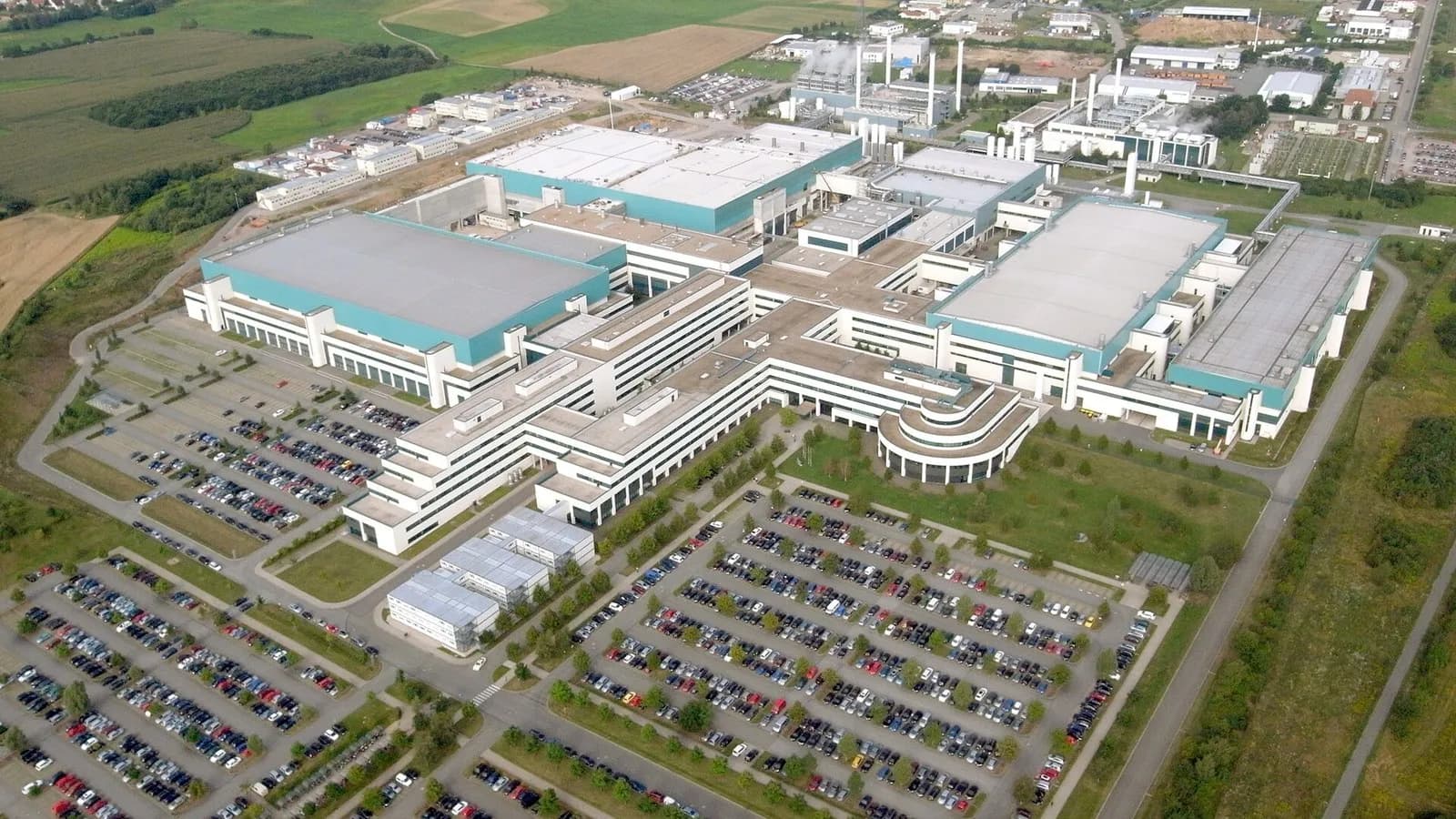
Japan is about to pay for two American chip factories that it will not run. On 14 October GlobalFoundries said it had been picked as technology provider and operator for two new fabs at its Malta, New York site, funded with up to $21 billion under a US-Japan initiative, according to the company's filing with the US Securities and Exchange Commission.
Reuters, in a report carried by Investing.com, said the plants will be jointly owned by the US government and Japanese interests, with Japan supplying all the investment capital.
What is the Japan GlobalFoundries deal?
The money comes from Japan's $550 billion pledge to invest in the United States, part of the trade agreement under which Washington lowered tariffs on Japanese cars and other imports to 15 percent. GlobalFoundries says an initial investment of about $10 billion will speed construction of a new 300mm fab, due to come online in 2029, with a similar amount for a second fab if it goes ahead.
Each fab is expected to add roughly 900,000 300mm wafers a year of US capacity. The company counts about 27,000 construction and ecosystem jobs and more than 1,000 skilled manufacturing jobs in New York's Capital Region. Groundbreaking on the first plant is expected later in 2026, and the site is permitted. Reuters reports that the partners will decide on the second fab before the end of 2028.
Who owns what, and who gets the chips?
The US Commerce Department will take an equity stake of about 4 percent in GlobalFoundries, according to the company. Reuters reports that this lifts the government's holding from about 3 percent to about 7 percent, and that President Trump put the value of the stake at more than $2 billion. Washington had earlier given the company $1.63 billion in grants.
Chief executive Tim Breen named Renesas Electronics and Apple as initial customers for the New York output, Reuters reports, though allocations are not final. GlobalFoundries expects fee income for at least 20 years, with about $50 million next year for managing construction of the first plant. Mubadala Investment, of Abu Dhabi, remains its majority owner.
What happens to the existing CHIPS Act money?
GlobalFoundries will redirect $955 million of its existing US award toward silicon photonics, silicon-germanium and advanced packaging at its plants in Malta and Burlington, Vermont. Shares rose more than 4 percent in afternoon trading, Reuters said, and are up more than 39 percent this year.
The profit arrangement is the unusual part. Under the wider scheme, President Trump chooses which projects Japan funds, free cash flow is split evenly until a set amount is reached, and then 90 percent goes to the United States. Japan's trade minister, Ryosei Akazawa, rejected the idea that Tokyo is subservient, saying each project undergoes bilateral financial review.
With the first wafers not due until 2029, the real test will be whether Japanese tool makers and American customers fill the plants on schedule.
Published in The Outspoken Digest
Editorial desk
Outspoken Digest Technology DeskSoftware, hardware, artificial intelligence and what they change for everyone else.
Newsletter
The Digest, in your inbox
One edition, sent when it is ready. No noise, and your address is never passed on.
Read Next
More Technology →
Some White Dwarfs Would Look Green, Pink or Purple, Warwick Astronomers Calculate
Oct 15, 2026/2 min read
Oxford Physicists Reproduce the Aharonov-Bohm Effect on a Hybrid Quantum Computer
Oct 15, 2026/2 min read
Apple's $299 HomeView Smart Display Takes Preorders, but Not in the European Union
Oct 15, 2026/2 min read

Google Makes Gemini 4 Argon Widely Available, With a Half-Price Launch Rate Until 30 November
Oct 15, 2026/2 min read