Kospi Sinks 4.9% and the Nikkei Falls 2.5% as Amazon and Intel Revive AI Cost Fears and Treasury Yields Slip Below 5%
Korean chip stocks led an Asian retreat after Thursday's US earnings, the Bank of Japan held at 1.25% on an 8-1 vote, and oil edged higher after a vessel fire near Hormuz.
Friday, October 30, 2026/2 min read
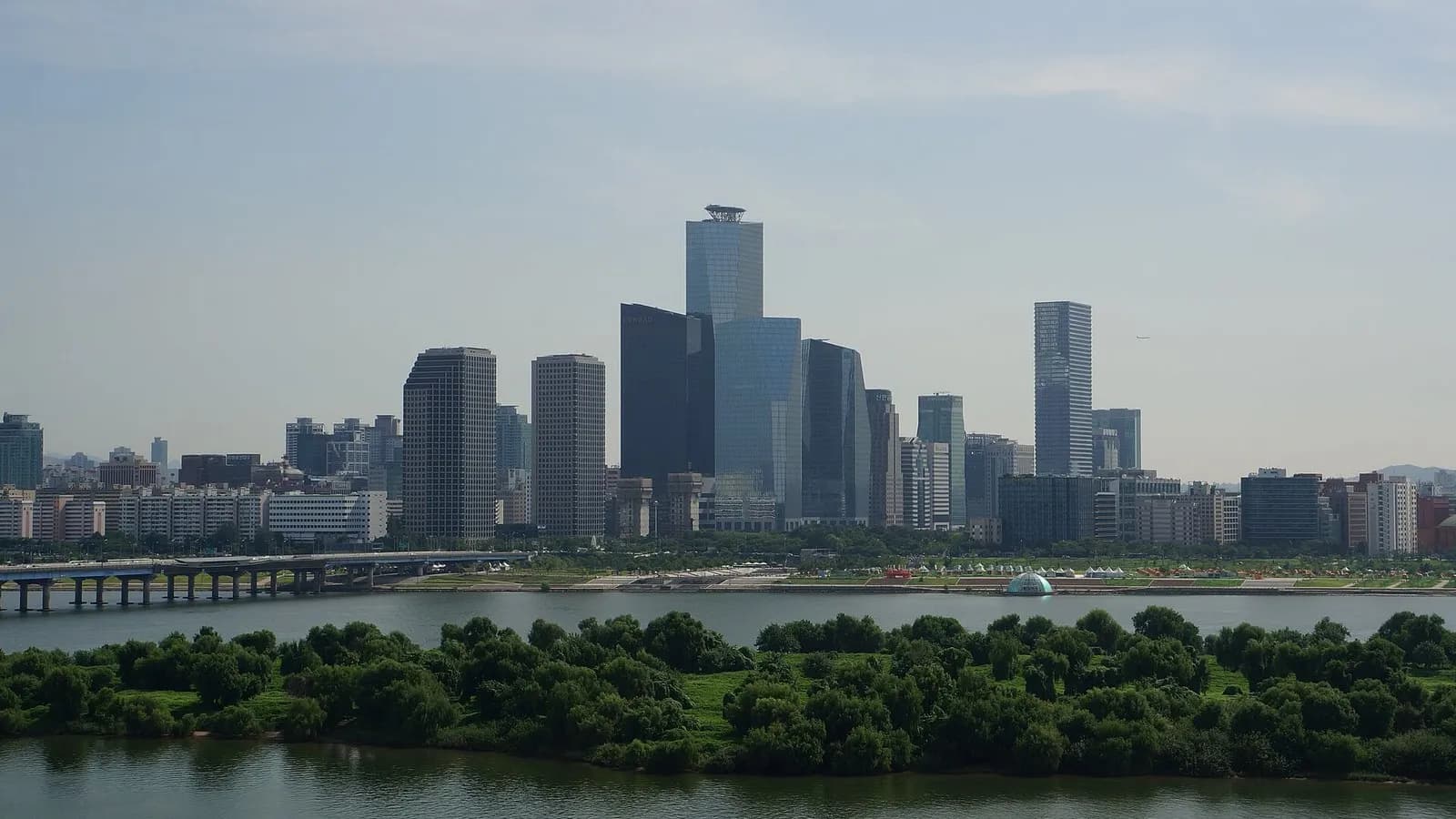
Asia woke up on Friday to Amazon's cash outflow and Intel's profit warning, and South Korea took the worst of it. The Kospi closed 4.9 percent lower and the Nikkei 2.5 percent down, while investors who wanted somewhere safe bought US Treasuries and pushed the 10-year yield below 5 percent again.
In South Korea, a sidecar halted programme trading for five minutes after Kospi 200 futures fell 5 percent, and the tech-heavy Kosdaq lost 4.3 percent, investingLive reported. Earlier in the session the Kospi was down nearly 4 percent at 5,701.71, with Samsung Electronics and SK Hynix both lower, the Associated Press said. It is the second violent drop for the index this month; we covered the October 15 tech sell-off when it fell almost 8 percent.
Why did Asian chip stocks fall?
Because the AI-cost worry travelled overnight. Alphabet lost about 12.6 percent on Thursday, and after the bell Amazon reported a $42.4 billion trailing free-cash-flow outflow and Intel guided its next-quarter profit to about half the current level. US index futures traded lower on Globex, investingLive said, and the AP put Wall Street's Thursday closes at 7,720.39 for the S&P 500, 52,342.56 for the Dow and 26,184.72 for the Nasdaq.
Elsewhere the picture was less uniform. The Nikkei fell 2.3 percent to 63,155.94 in the AP's afternoon snapshot, while Hong Kong's Hang Seng rose 1.7 percent to 23,359.06 and Australia's S&P/ASX 200 added 0.2 percent. Shanghai slipped 0.4 percent in that snapshot.
What did the Bank of Japan decide?
It held its policy rate at 1.25 percent, as expected after raising it last month. The vote was 8 to 1, with board member Hajime Takata dissenting in favour of 1.5 percent, investingLive reported. The bank said underlying inflation is generally consistent with its 2 percent target, lifted its fiscal 2027 core inflation forecast to 2.6 percent and agreed to more than double the pace of its ETF sales from January 2027. The yen firmed modestly; the dollar was at 157.67 yen in the AP's report.
Where are oil and bond yields?
The 10-year Treasury yield fell to 4.94 percent from 5.05 percent, the AP said, after topping 5.30 percent earlier this month, its highest since 2002. InvestingLive had it near 4.90 percent, the lowest in more than a month. Oil rose: US crude gained 1.15 percent to $103.17 a barrel and Brent 1.05 percent to $116.09 after a vessel caught fire in the Strait of Hormuz near Oman. The UK Maritime Trade Operations agency said the cause was unknown, and gains were limited by renewed hopes of a diplomatic resolution, investingLive said.
The day's test comes when Wall Street opens. If Amazon and Intel hold their after-hours losses, the sell-off that began with Alphabet will carry into a second day, and Asia's reaction will have been the preview.
Published in The Outspoken Digest
Editorial desk
Outspoken Digest Markets DeskReports for The Outspoken Digest across Business, Crypto.
Newsletter
The Digest, in your inbox
One edition, sent when it is ready. No noise, and your address is never passed on.
Read Next
More Business →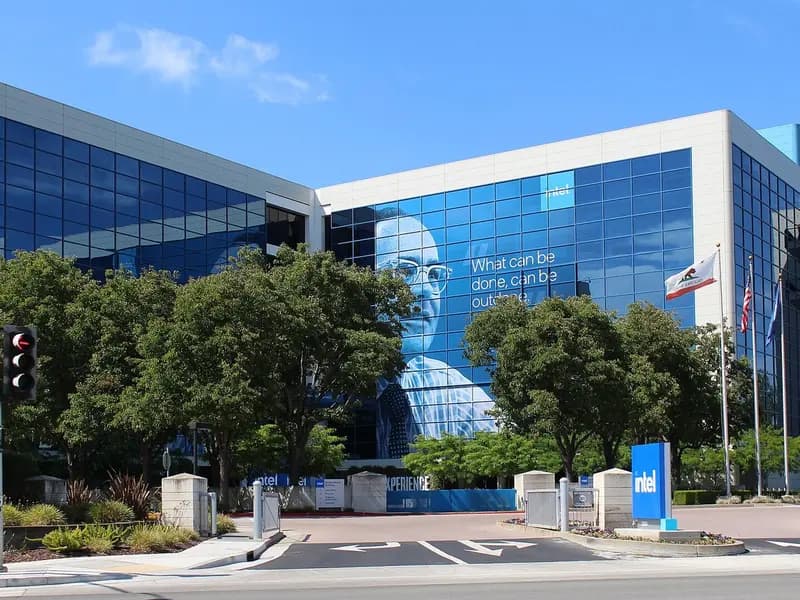
Intel Plunges After Hours as a Weak Fourth-Quarter Forecast Overshadows a 78% Jump in Data Centre Sales
Oct 29, 2026/2 min read

Amazon Stock Slides After Hours Despite AWS Growing 39% as Free Cash Flow Turns to a $42 Billion Outflow
Oct 29, 2026/2 min read
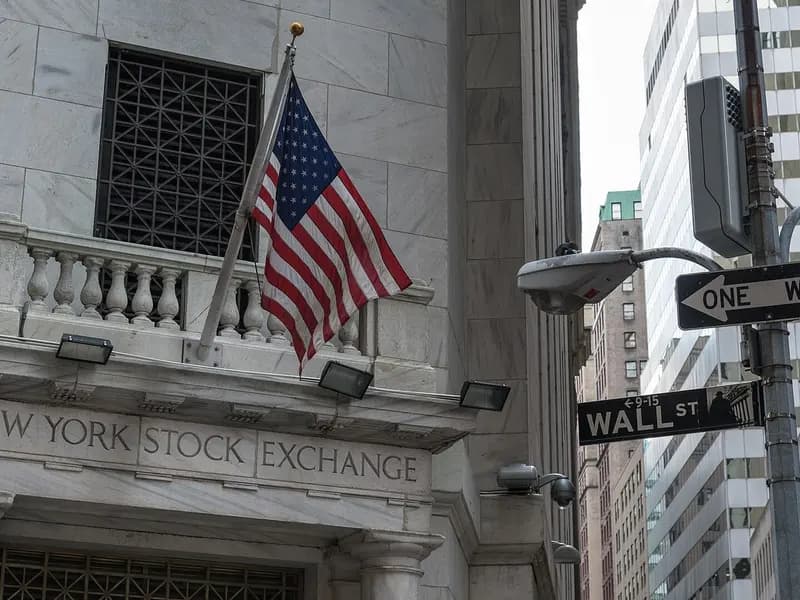
Alphabet Closes 12.6% Lower in Its Worst Day Ever, but Most Stocks Rise as the Nasdaq Falls 1.4%
Oct 29, 2026/2 min read

Alphabet Heads for Its Worst Day on Record, Shedding About $500 Billion, as Nasdaq Slides
Oct 29, 2026/2 min read