Genuine Leather Is the Lowest Grade That Is Still Leather, and Other Things the Label Does Not Tell You
Full grain, top grain, corrected, split, genuine, bonded and vegan describe seven different materials, some of them barely related. What each one is, how it will age, and how to tell them apart in the shop.
Sunday, September 6, 2026/4 min read
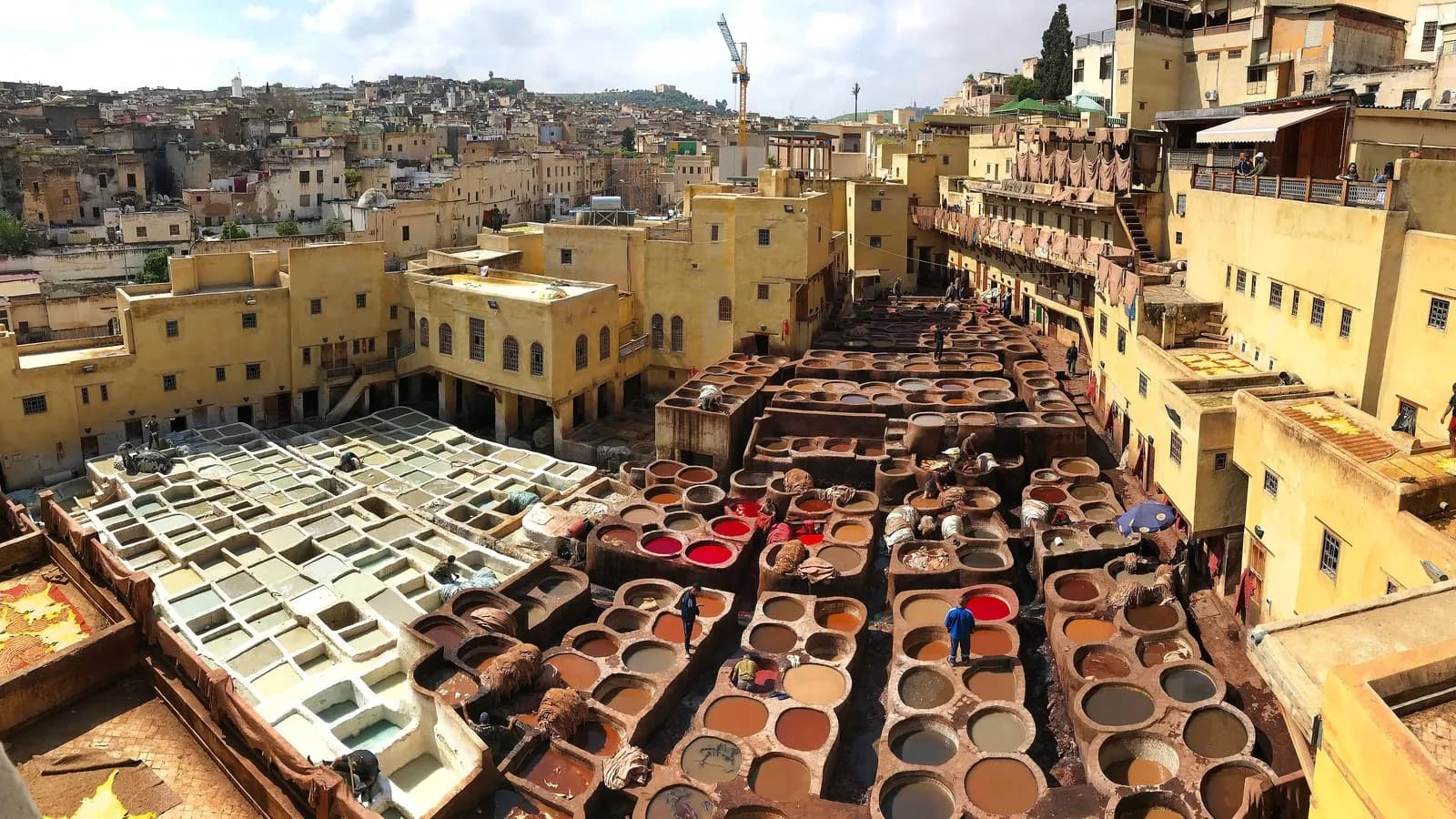
The stamp that says genuine leather is the most misread mark in fashion. Shoppers take it as a guarantee of quality. In the trade it is closer to a confession: the material is leather, technically, and the maker has chosen not to say anything more specific about it. The vocabulary of leather is small and precise, and knowing it changes what you buy.
A hide is a sandwich
Cattle hide is a thick layer of skin, and its structure is not uniform through the thickness. At the surface is the grain: the layer that was the outside of the animal, with tightly packed, fine fibres and the natural pattern of pores, scars and creases. Below it the fibres become looser and coarser. A tannery splits the hide horizontally into layers, and which layer a piece comes from, and what has been done to its surface, is the whole story.
Full-grain leather is the top layer with the grain left intact. Nothing has been sanded or buffed away. The natural marks are visible, the surface is the strongest part of the hide, and it develops a patina with use because the fibres are dense enough to take a polish and absorb oils over years. It is the most expensive grade because only clean, unblemished hides can be used this way, and it is what a shoe or bag meant to last decades is made from.
Top-grain leather is the same top layer with the surface lightly sanded to remove imperfections and then finished, usually with a pigment coat. The grain layer is still there, so it remains strong, but the sanding removes the densest fibres and the finish means it will not patinate in the same way. It is more uniform in appearance, more stain resistant, and less characterful. Most good handbags are top grain.
Corrected-grain leather goes further: the surface is sanded more heavily and an artificial grain is embossed onto it under a pigment finish. It is made from hides with too many marks to sell as top grain. It looks perfectly regular, because the regularity is printed on, and it will eventually crack at the flex points as the finish fails.
Split leather is the lower layers, below the grain. It has no natural surface. Left rough it is suede. Coated with a polyurethane film and embossed it becomes what is sold as bicast or coated leather, and it is here that the stamp genuine leather most often appears. The material is real hide, but it is the weakest part of it wearing a plastic face.
Bonded leather is not a layer at all. It is shredded leather fibre mixed with a polyurethane or rubber binder, spread onto a backing and embossed with a grain pattern. The proportion of actual leather varies and is rarely declared. It is used for cheap belts, book bindings and furniture, and it peels rather than wears.
Vegan leather, finally, is in nearly every case polyurethane on a fabric backing, sometimes with plant material added for the story. Some newer materials are genuinely different. Most are plastic.
Tanning
How the hide was preserved matters almost as much as which layer it came from. Chrome tanning, using chromium salts, is fast and produces a soft, stable, water-resistant leather in a day; most of the world's leather is made this way. Vegetable tanning, with tannins from bark and plant matter, takes weeks, produces a firmer leather that moulds to use and darkens beautifully with age, and is what the best belts, saddlery and many bag makers use. Vegetable-tanned leather is usually the more expensive and the more rewarding to own.
The environmental record of tanneries, particularly on effluent and chromium handling, varies enormously by country and by factory. The Leather Working Group audits and rates tanneries on exactly this, and a growing number of brands state that their leather comes from rated tanneries. It is a claim worth looking for.
Telling them apart in the shop
- Look at the surface closely. Full grain has irregular pores, occasional small marks and slight variation in colour. A perfectly uniform, repeating texture is embossed.
- Press it with a thumb. Full and top grain wrinkle finely and recover. Corrected grain and coated split show a flat crease that stays.
- Look at a cut edge. Real hide shows a fibrous cross-section. Bonded leather and polyurethane show a smooth or layered edge like card.
- Smell it. Leather smells of leather. Bonded and coated materials smell of the binder.
- Read the words. Full grain and top grain are specific claims. Genuine leather, real leather and made with leather are not.
What it means for how things age
A full-grain, vegetable-tanned belt is scuffed and darkened in a year and looks better for it. A top-grain bag stays much as it was bought for a decade, which for a structured bag is the point. Corrected grain looks new until it cracks, usually along the fold of a wallet or the vamp of a shoe, and the crack cannot be repaired. Bonded leather flakes.
This is why the cheap belt is the expensive one. The method for pricing a purchase by the years it will give you is in our piece on cost per wear, and leather is its clearest example: the material that costs twice as much lasts ten times as long, and looks better every year it does.
Published in The Outspoken Digest
Newsletter
The Digest, in your inbox
One edition, sent when it is ready. No noise, and your address is never passed on.
Read Next
More Fashion →
Victoria's Secret Fashion Show Heads to Los Angeles on Sunday With an All-Women Lineup and Three Angel Hopefuls
Oct 15, 2026/2 min read

Anthony Vaccarello Is Leaving Saint Laurent After a Decade, and Kering Has Not Yet Named His Successor
Oct 9, 2026/2 min read

Louis Vuitton Closes Paris Fashion Week With Hovering Cars, Paper-Light Dresses and a Louvre Courtyard Cityscape
Oct 7, 2026/2 min read
Celine Dion Made a Surprise Return to the Catwalk to Close L'Oreal's Paris Fashion Week Opening Show
Sep 29, 2026/2 min read