Autopsies Say Five Italian Divers in Maldives Cave Died of Anoxia, Italian Report Says
An expert report for Italian prosecutors lists anoxia as the cause of death for the five divers lost in a Vaavu Atoll cave in May. Why they ran short of gas is still unanswered.
Tuesday, October 6, 2026/3 min read
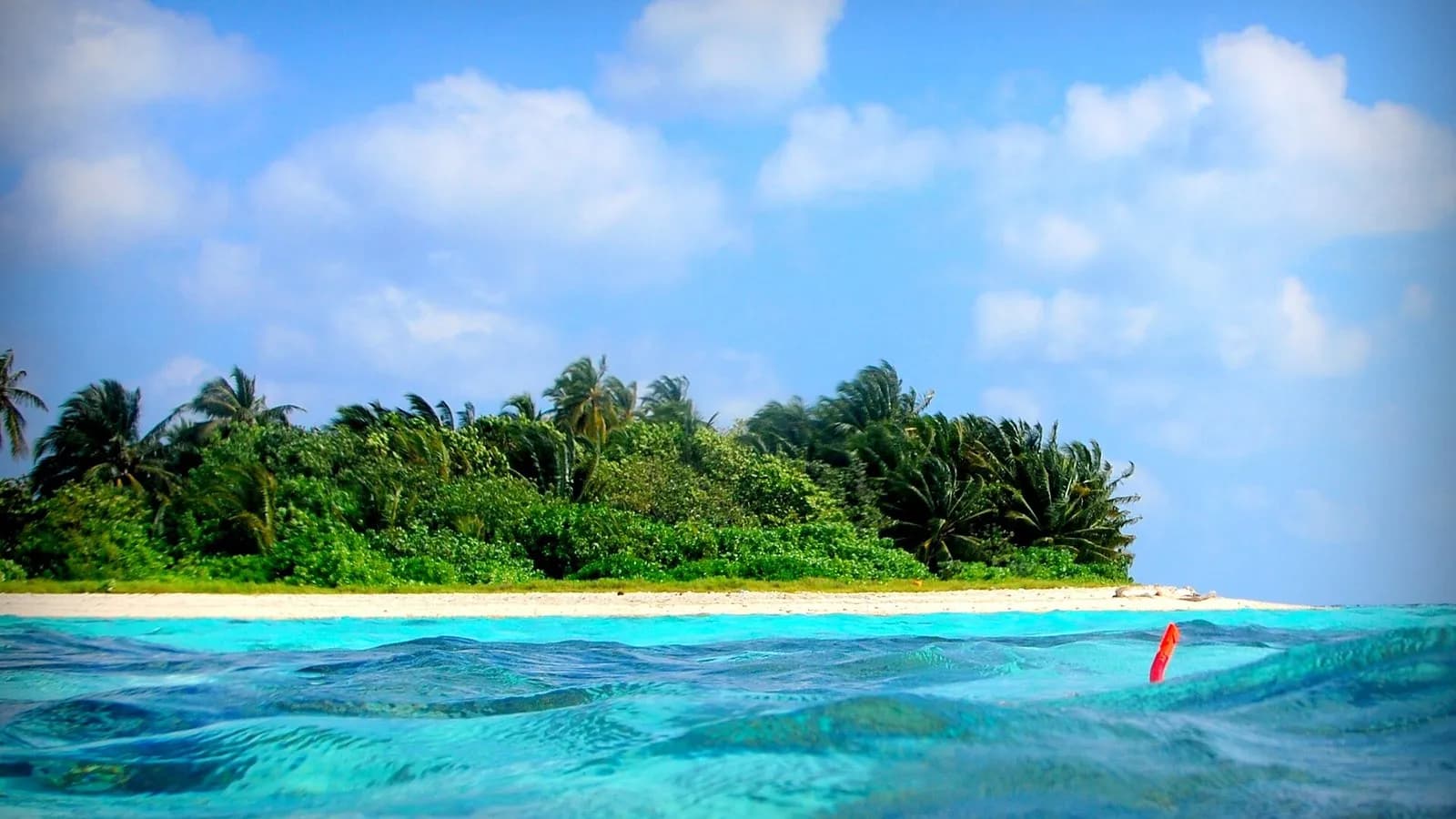
Almost five months after the Maldives cave deaths, the first formal medical finding has reached the public. According to a report published on 5 October by Il Sole 24 Ore, an expert report commissioned by the public prosecutor of Busto Arsizio lists anoxia, a total lack of oxygen, as the cause of death for all five Italian divers who died in a submerged cave on Vaavu Atoll on 14 May.
The five were Monica Montefalcone, Giorgia Sommacal, Muriel Oddenino, Federico Gualtieri and the diving guide Gianluca Benedetti. Our first report on the tragedy set out what was known in the days after. This article covers only what the new report changes, and what it leaves open.
What do the autopsy findings actually say?
Il Sole reports that the Busto Arsizio prosecutor acted on delegation because the post-mortems had to be done at the best-equipped hospital nearest the airport where the bodies arrived. The examinations found no injuries pointing to a shark attack or to an accident in which other divers would have had to intervene. The newspaper adds that the cause is not yet definitive and has to be compared with analyses of the recovered equipment.
Preliminary autopsy results for two of the divers had already been reported by Italian papers in May, as relayed by the Maldivian outlet The Edition, which noted that final results were expected within about three months. The October report is the longer-awaited version, and it points the same way.
What is still not known?
A lot. Anoxia describes the state in which the body is deprived of oxygen. It is the end point of drowning and of running out of breathing gas alike, so the finding says how, not why. Il Sole says the reason the divers lost precious minutes remains unconfirmed, and that the idea they lost their bearings is a hypothesis only.
Toxicology results are still awaited. Carlo Sommacal, husband of Monica Montefalcone, told the paper the results had been due in August and an extension had been requested. Analysis of the dive equipment, including cameras, cylinders, dive computers and wrist instruments, is also pending. The case now sits with the Rome public prosecutor, which is handling a manslaughter inquiry.
Why do investigators wait for the equipment data?
This is general practice rather than a comment on these divers. In any dive fatality, a cause of death and a cause of the accident are different questions. The first comes from the body. The second is reconstructed from the gas that was in the cylinders, the depth and time profile on dive computers, any footage, the site itself and the plan the team made. Only when those line up can investigators say what happened in what order, and responsibility, if any, is a legal judgement that comes after that.
Anyone who dives will recognise the discomfort of a finding that explains the ending but not the sequence. It is also the reason accident analysis in diving tends to be slow, and why early theories, including ones that sound sensible, deserve caution.
What happens next?
Expect the toxicology and the equipment analysis to be the next public milestones, and both depend on the Italian judicial process rather than on any set date. The Maldives Police Service and military took part in the recovery in May, in which Sergeant Major Mohamed Mahudhee of the Maldives National Defence Force also lost his life, and the Maldives has since moved toward regulating technical diving. Those threads remain open. This article will be followed only when a named official source says something new.
This is journalism, not instruction. Cave and deep diving training belongs with a certified instructor and a recognised agency.
Published in The Outspoken Digest
Editorial desk
Outspoken Digest Diving DeskCovers freediving, recreational and technical diving, dive medicine and the incidents the sport learns from.
Newsletter
The Digest, in your inbox
One edition, sent when it is ready. No noise, and your address is never passed on.
Read Next
More Diving →
Breathless and Coughing Pink Froth After a Dive: Immersion Pulmonary Edema Explained
Oct 17, 2026/3 min read
Your Gas Consumption Is Not One Number: Why Depth, Cold and Nerves Change It
Oct 16, 2026/3 min read
SS United States Reef Sinking Targeted for November: What Divers Should Know
Oct 16, 2026/2 min read
Divers Excavating Off Kekova Find a Wreck Believed to Be the World's Oldest, Turkey Says
Oct 15, 2026/2 min read