Maldives Moves to Regulate Technical Diving After Cave Deaths
After six divers died in a Vaavu Atoll cave, the Maldives is drafting new rules to permit and regulate technical diving in the country for the first time in its history.
Thursday, May 28, 2026/4 min read
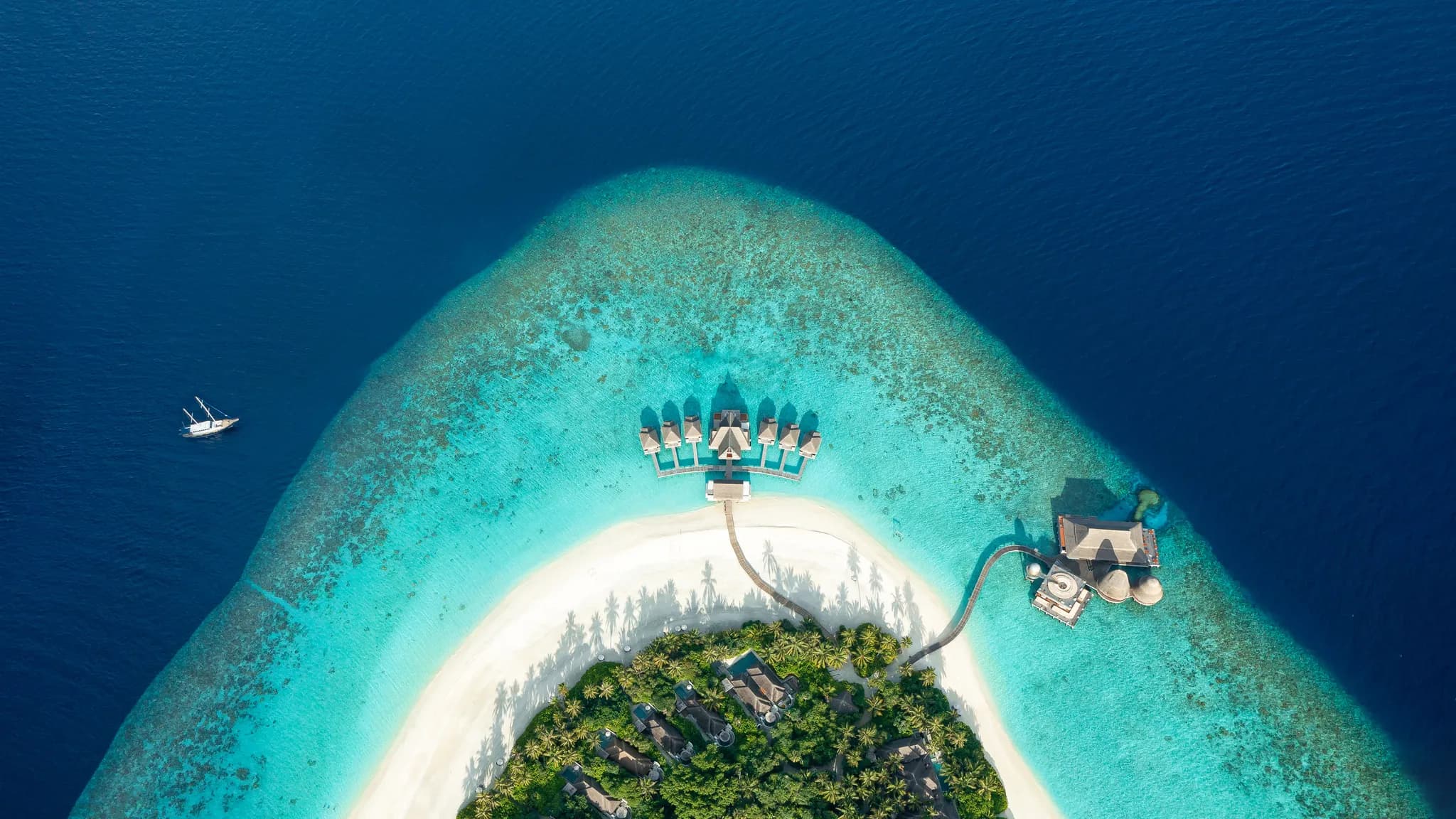
For a country whose entire tourism identity rests on the water around it, the Maldives has long kept a surprisingly tight lid on how deep visitors are allowed to go. Recreational diving is generally capped at 30 metres. Technical diving, the kind involving mixed gases, staged decompression and overhead environments like caves, has existed in a legal grey zone: not exactly licensed, not exactly banned, mostly just undone by anyone willing to arrange it privately.
That grey zone is now closing. Two weeks after five Italian divers and a Maldivian military diver died in a cave near Vaavu Atoll, the deadliest diving accident in the country's history, Maldivian authorities have begun drafting legislation to formally regulate technical diving for the first time.
What the new draft law would require
According to reporting from The Scuba News and Diventures Magazine, the draft framework would require anyone undertaking technical dives, including cave and wreck penetration, to hold a special permit. Those permits would be limited to researchers and divers holding advanced technical certifications, rather than being generally available to any visiting diver willing to pay for a private arrangement.
The legislation is also expected to set mandatory minimum standards covering diver experience, technical equipment and safety protocols. Reporting from Gazeta Express frames the move as an attempt to close a regulatory gap that has existed for years: the Maldives permits recreational diving under a clear framework while leaving technical diving essentially unaddressed by law, despite the country hosting increasingly ambitious dives at sites like Dhekunu Kandu.
Why the gap existed in the first place
The Maldives' tourism model was built around shallow reef diving, and for most of its diving history, that was also the limit of demand. Technical diving is a smaller, more specialised market, drawing experienced divers and researchers rather than resort guests, and it developed informally around individual operators and dive centres rather than through any centrally managed permitting system. As coverage from Indoneo notes, the May tragedy exposed how far that informal arrangement had drifted from what a dive of Dhekunu Kandu's depth and complexity actually required.
What the draft law does not yet cover
Early coverage of the drafting process describes it as being in its initial stages. A source cited in reporting from Adhadhu indicates the government intends to move quickly once the framework is settled, but as of this writing the specific numeric thresholds, such as minimum logged dives, required certification levels, or exact equipment mandates, have not been finalised or published. What is confirmed is the direction of travel: permits, minimum standards, and a restriction to researchers and advanced technical divers, rather than an open field.
The wider question the accident raised
The Dhekunu Kandu incident did more than prompt a single piece of legislation. It forced a public reckoning, discussed at length in outlets covering the dive industry, over how a destination can host world class technical dive sites while having no formal system for who is qualified to attempt them, no requirement for permits, and in effect no official record of who is diving where. Divernet's reporting on the accident's likely contributing circumstances underlines a related point often raised by technical diving instructors: without oversight, dive planning and site briefing quality varies enormously between operators, and there is no external check on whether a group attempting a dive of this complexity is actually equipped and trained for it.
What comes next
The regulatory process is still young, and the details that will matter most to divers, exactly what a permit will require and how it will be enforced on the water rather than only on paper, are still being written. What is clear is that the Maldives has moved from an informal, largely unregulated approach to technical diving toward an explicit licensing model, a shift that would have been unthinkable to propose before 14 May 2026 and now looks close to inevitable. Investigations into the original accident continue in parallel, and any findings they produce are likely to shape the final shape of the law.
How the dive industry has reacted
Reaction within the Maldivian dive industry itself has been described in early reporting as broadly supportive of some form of oversight, tempered by concern over how any permit system will actually be administered. Operators running legitimate technical and research diving trips have an interest in a framework that distinguishes properly prepared expeditions from ad hoc arrangements, since a single high profile accident affects the reputation of an entire niche of the industry, not just the operator involved. At the same time, dive professionals quoted in industry coverage have raised practical questions about enforcement capacity, since a permit requirement is only as effective as the government's ability to actually verify certifications and monitor compliance on remote atolls far from Malé.
A regional pattern, not an isolated case
The Maldives is not the first diving destination to tighten technical diving rules after a fatal accident, and it will likely not be the last. Regulatory responses to serious diving accidents elsewhere in the world have historically followed a similar arc: an accident exposes a gap between what a destination's law assumes divers are doing and what some divers are actually attempting, followed by a period of drafting, followed eventually by a permit or certification requirement that narrows who can legally attempt the activity. What makes the Maldivian case notable is less the pattern itself than the speed of the response, moving from tragedy to draft legislation within roughly two weeks, reflecting both the scale of the loss and the international attention the accident drew to a destination whose entire economy depends on being seen as a safe place to be in the water.
Published in The Outspoken Digest
Editorial desk
Outspoken Digest Diving DeskCovers freediving, recreational and technical diving, dive medicine and the incidents the sport learns from.
Newsletter
The Digest, in your inbox
One edition, sent when it is ready. No noise, and your address is never passed on.
Read Next
More Diving →
Playing Recordings of a Healthy Reef Drew More Coral and Fish Larvae to Artificial Structures Off Hawaii
Oct 9, 2026/3 min read
Blacktip Sharks Can Hear a Sound From Nearly 250 Feet Away and Swim Straight Toward or Away From It
Oct 1, 2026/2 min read
A Sea Turtle Species Never Recorded Nesting in the United States Laid Eggs on a Southern California Beach
Oct 1, 2026/2 min read
Marine Surveyors Confirmed Living Coral Off Benin, More Than Sixty Years After the Reef Was Presumed Dead
Sep 29, 2026/2 min read