Marvell Agrees to Buy Lumentum for $115 Billion in Stock, and Both Companies' Shares Slide
The chip designer is paying 4.5 of its own shares for every Lumentum share to own the lasers and optical parts that AI data centres are short of. Investors sent Marvell down about 13 percent.
Outspoken Digest Technology Desk
Tuesday, November 3, 2026/3 min read
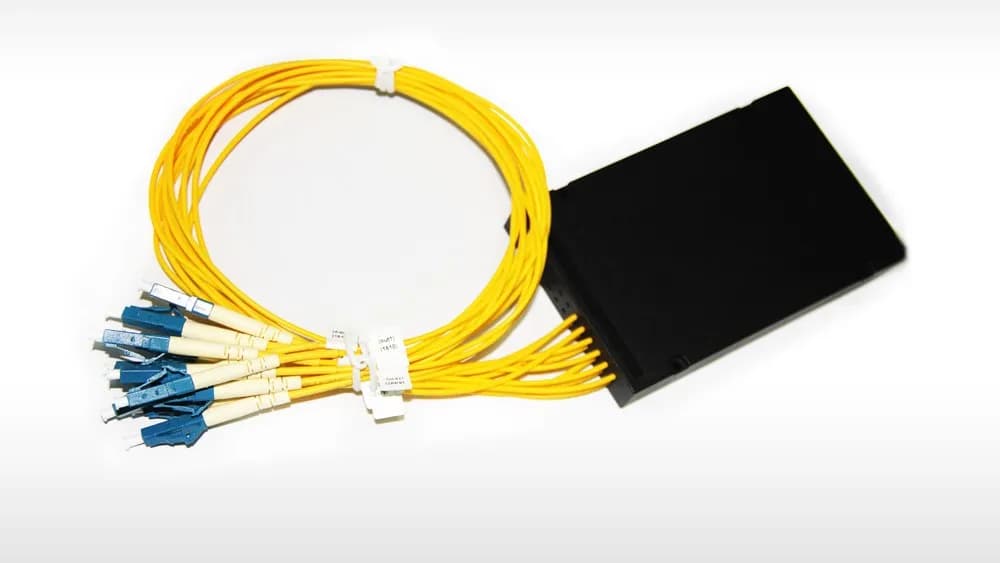
Marvell Technology agreed on Monday to buy Lumentum, the San Jose maker of lasers and optical transceivers, in an all-stock deal that values Lumentum at an enterprise value of $115 billion, the companies said. Lumentum holders will receive 4.5 Marvell shares for each of theirs, which was worth about $1,132 a share and a premium of roughly 23.9 percent on the two stocks' unaffected closing prices on 28 October.
The market's first verdict was harsh. Marvell closed down about 13 percent and Lumentum fell about 18.6 percent, The Motley Fool reported, on roughly 60 million Marvell shares traded, nearly three times the three-month average. Because the price is set in Marvell stock, every point Marvell loses shrinks what Lumentum's shareholders actually get.
What is Marvell buying, and why optical?
Lumentum makes the components that turn electrical signals into light and back: high-performance lasers, optical transceivers, optical circuit switches and the modules and subsystems that connect data centre and telecom networks. Marvell designs the high-speed networking silicon and custom chips that let AI accelerators talk to one another, and competes with Broadcom in that business.
Marvell's chairman and chief executive, Matt Murphy, said in the release that AI infrastructure is shifting toward optical connectivity, and the pitch to investors is that owning the lasers as well as the chips puts the combined company on both sides of that shift. Lumentum's chief executive, Michael Hurlston, pointed to a combined addressable market the companies put at $550 billion. Yahoo Finance noted that the deal also hands Marvell optical manufacturing capacity, which has become one of the bottlenecks of the AI build-out.
Why did Marvell and Lumentum stock fall?
Three reasons, according to the day's coverage: dilution, valuation and execution. Marvell holders will own about 67 percent of the combined company and Lumentum holders about 33 percent on a fully diluted basis, so existing Marvell investors are giving up a third of a company whose shares had already risen more than 120 percent this year. Lumentum's own stock had more than doubled in 2026 before the announcement, so the premium is being paid on an elevated base.
Reports the previous week that the two sides were in advanced talks had already weighed on Marvell, the Fool noted, and the broader tape did not help: the Nasdaq Composite fell about 1.1 percent on Monday. Marvell says it has line of sight to more than $1 billion in annual run-rate cost synergies, which investors will want to see in detail.
When would the Marvell Lumentum deal close?
Not soon. Both boards approved the transaction unanimously, but the companies expect it to close in the first half of calendar 2028, subject to shareholder votes and regulatory approvals in multiple jurisdictions. A deal that combines a leading networking chip designer with a leading optical component maker will attract antitrust attention in the United States, Europe and China, and the 18-month timeline reflects that.
Yahoo Finance described the transaction as the largest merger between two publicly traded companies on record by its headline value, a claim that depends on how one counts enterprise versus equity value. Either way it is a bet that the next phase of AI spending moves from GPUs to the light that links them.
Because the consideration is all stock, the price will float with Marvell's shares for the next 18 months, and the first question for both sets of shareholders is how much of the $115 billion is still $115 billion by the time they vote.
Published in The Outspoken Digest
Editorial desk
Outspoken Digest Technology DeskSoftware, hardware, artificial intelligence and what they change for everyone else.
Newsletter
The Digest, in your inbox
One edition, sent when it is ready. No noise, and your address is never passed on.
Read Next
More Technology →
Children Who Live Near More Trees and Parks Scored Better on Attention Tests, a 12,000-Child Study Finds
Nov 3, 2026/2 min read

The Brain Culls Most of Its Genetically Damaged Neurons Around Birth, a Nature Study Finds
Oct 30, 2026/2 min read

A Sahara Meteorite Is at Least 4.1 Billion Years Old and May Be the Oldest Known Piece of Mars
Oct 30, 2026/2 min read

GM Will Pay $220 Million to 36 States Over Selling Drivers' Location and Driving Data
Oct 30, 2026/3 min read