Molchanov Dives 137 Metres and Torocsik 108 Metres at Freediving's Limassol World Championships
Two depth marks fell at the AIDA world championships in Cyprus, one in constant weight for men and one in free immersion for women. Both still await ratification.
Saturday, October 10, 2026/2 min read
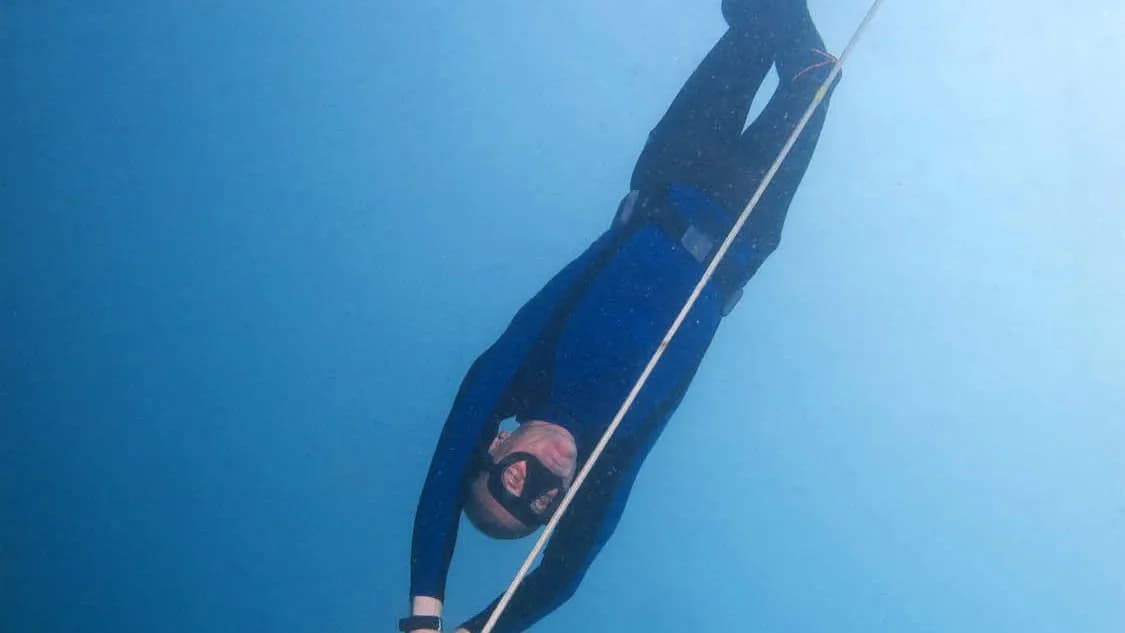
The AIDA World Apnea 2026 Depth Championships in Limassol, Cyprus, ran from 30 September to 9 October and produced two new marks at the deep end of the sport. Alexey Molchanov reached 137 metres in constant weight, and Hungary's Zsofia Torocsik reached 108 metres in free immersion. Both are described as pending the usual verification.
Molchanov, competing as an independent athlete, made his dive on Thursday 8 October, according to Sigmalive. Constant weight means diving with fins or a monofin and without pulling on the line. His previous record was 136 metres, set in 2023, so the improvement is a single metre.
What did Molchanov and Torocsik actually achieve?
Sigmalive says the dive still has to pass verification, including anti-doping checks, before AIDA ratifies it. Divernet counts it as Molchanov's 46th career world record and the seventh time he has reset the mark he has held for 14 years. It also won him the overall men's world title, with 484 points across four disciplines, 11 clear of Croatia's Petar Klovar, who had been within a point of him going into the last day.
Cyprus Mail gives the depth podium as Molchanov at 137 metres, Klovar at 125 and the American Brad Stephens at 115.
Torocsik's mark came earlier, on Tuesday 6 October. Cyprus Mail reported that she won the free immersion world title with 108 metres in four minutes, a new world record pending ratification. In free immersion the athlete pulls along the line without fins. Divernet says she beat Ukraine's Natalia Zharkova by five metres on the day, and that the women's mark stood at 103 metres at the start of 2026 and has now been broken five times. Our report in August on the 106 metre tie covers one of those steps.
What does ratification involve?
A depth record is first a claim. The athlete announces a target, performs it under judges, and the federation, here AIDA International, verifies the protocol and the anti-doping result before the number is official. That is why the reports above say pending. Only AIDA results are final.
Why do the deepest dives still carry real risk?
These athletes work inside a safety system: a prepared line, safety divers who meet the athlete on the way up, medical staff and judges who watch the surface protocol. The mechanism that endangers competent freedivers is shallow water blackout, a loss of consciousness as oxygen drops during the final metres of ascent. It can happen to the strongest breath-holders, which is why diving without a watching buddy is the dangerous habit.
The rule for everyone else is the one competition itself follows: never freedive alone, and train with a buddy who watches you from the surface for the whole dive and for the minutes after it.
What comes next?
Expect AIDA to publish the verified results once the doping controls are cleared. Divernet also reports, in the same piece, on a small preprint from the University of Paris-Saclay in which fMRI scans of 17 recreational freedivers found no sign of hippocampal damage after training, though it is not yet peer reviewed.
This is journalism, not instruction. Freediving training belongs with a certified instructor and a recognised agency.
Published in The Outspoken Digest
Editorial desk
Outspoken Digest Diving DeskCovers freediving, recreational and technical diving, dive medicine and the incidents the sport learns from.
Newsletter
The Digest, in your inbox
One edition, sent when it is ready. No noise, and your address is never passed on.
Read Next
More Diving →
Breathless and Coughing Pink Froth After a Dive: Immersion Pulmonary Edema Explained
Oct 17, 2026/3 min read
Your Gas Consumption Is Not One Number: Why Depth, Cold and Nerves Change It
Oct 16, 2026/3 min read
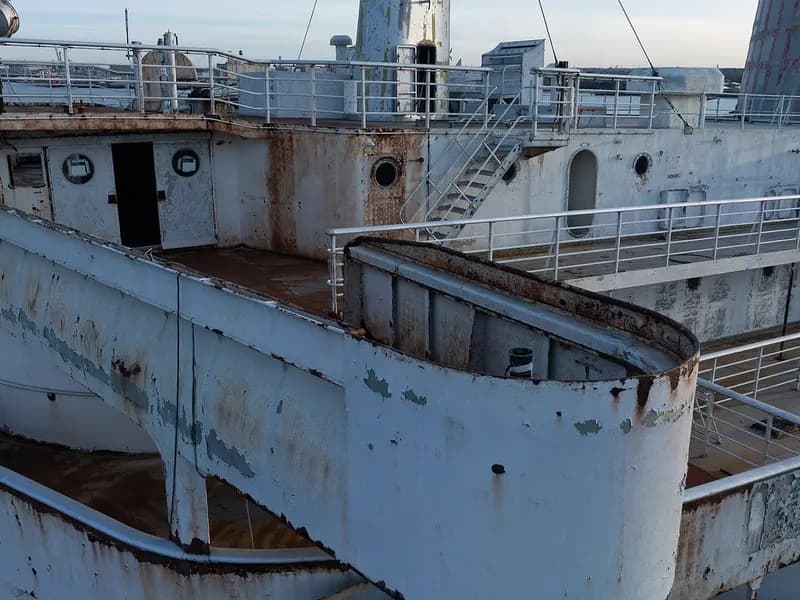
SS United States Reef Sinking Targeted for November: What Divers Should Know
Oct 16, 2026/2 min read
Divers Excavating Off Kekova Find a Wreck Believed to Be the World's Oldest, Turkey Says
Oct 15, 2026/2 min read