Oily Fish Twice a Week or Once: What the Official Advice Says, What Counts, and Who Should Eat Less
At least two portions of fish a week, one of them oily, is the standing advice in the UK. Tinned tuna does not count, tinned sardines do, and some groups are told to limit how much they eat.
Outspoken Digest Nutrition Desk
Monday, September 14, 2026/3 min read
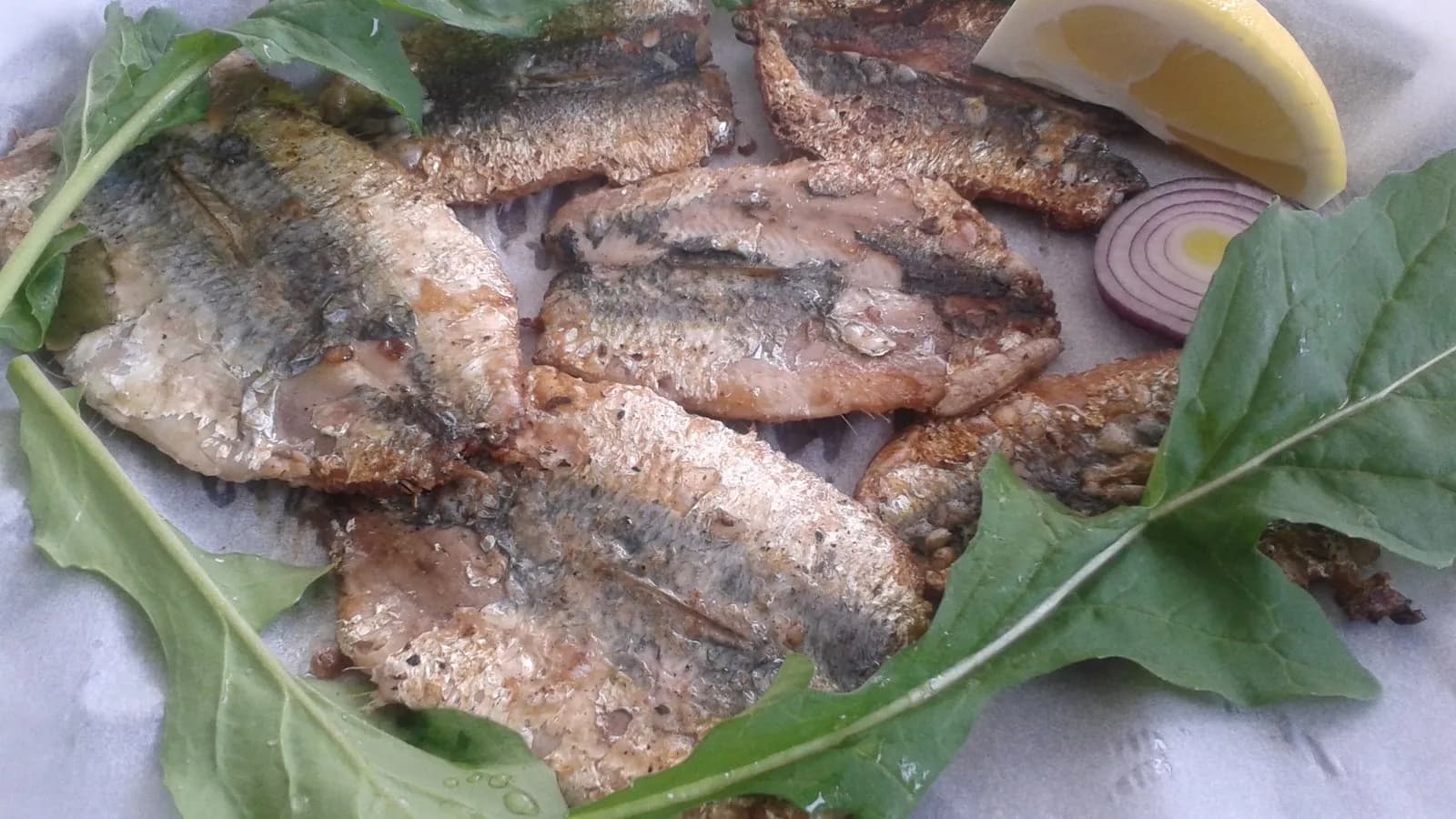
Few pieces of dietary advice have lasted as long, or been repeated as often, as this one: eat fish twice a week, and make one of those portions oily. The NHS puts it plainly. A balanced diet should include at least two portions of fish a week, including one of oily fish, and a portion is around 140 g cooked. Most adults in Britain do not manage it. It is worth knowing which fish count, because the labels and the folklore are both unreliable, and worth knowing the limits, because oily fish are the one food group where official advice caps the amount for some people.
What makes a fish oily
Oily fish store fat in their flesh and around the gut, rather than only in the liver as cod and haddock do. That fat is the richest dietary source of the long-chain omega-3 fatty acids EPA and DHA, which are linked in the evidence to heart health and, in pregnancy, to a baby's nervous system development. The usual list is salmon, trout, mackerel, herring, sardines, pilchards, kippers, eel and sprats. Fresh tuna is oily in the biological sense, but canning strips out most of the fat, so the NHS is clear that tinned tuna does not count towards your oily fish portion.
Tinned counts, with a footnote
Tinned sardines, pilchards and salmon all count, and they are among the cheapest ways to meet the target. Check the salt: fish tinned in brine or smoked, as kippers and smoked mackerel are, can carry a lot of it, and the nutrition label is where to look. Battered and fried fish is a different matter; the NHS notes that frying, especially in batter, adds fat and is a less healthy choice than steaming, baking or grilling.
The limits
Oily fish also tend to carry higher levels of pollutants such as dioxins, which build up in the body over years. For that reason the UK advice sets maximums. Girls, women who are planning a pregnancy or may have a child one day, and pregnant or breastfeeding women should eat no more than two portions of oily fish a week. Boys, men and women past the menopause can eat up to four. Separately, shark, swordfish and marlin carry more mercury than other fish: they should be avoided in pregnancy and by anyone under 16, and other adults are advised to have no more than one portion a week. Tuna has its own cap for women trying to conceive or pregnant: no more than four medium cans or two steaks a week.
The advice elsewhere
The US takes a similar line. The Food and Drug Administration's advice about eating fish recommends two to three servings a week of lower-mercury choices, a serving being about 4 ounces (113 g) before cooking, and lists salmon, sardines, herring, anchovies and trout among the best choices. Both bodies make the same underlying point: the benefit comes from the regular habit of eating fish, not from any single portion. The NHS summary is on its fish and shellfish page.
What about supplements
A capsule is not the same as a meal, because fish is also protein, iodine, selenium and vitamin D, and because the trial results for omega-3 supplements in healthy people have been less convincing than the observational evidence for fish itself. Fish liver oils, including cod liver oil, are high in vitamin A, and the NHS advises against taking them in pregnancy and suggests no more than 1.5 mg of vitamin A a day from food and supplements combined for adults. If you do not eat fish, algae-based oils are the plant source of EPA and DHA; the plant omega-3 in flax and walnuts converts to them poorly.
Buying well
Variety protects both you and the sea. The Marine Conservation Society's Good Fish Guide rates species and fisheries by sustainability, and small oily fish such as sardines and herring tend to score well because they sit low on the food chain. Fish allergies are common and serious, and cooking does not reduce the risk. For everyone else, the practical version is short: tinned sardines on toast on a Tuesday, a baked trout on a Saturday, and a rota that you can keep up.
Published in The Outspoken Digest
Editorial desk
Outspoken Digest Nutrition DeskDiet, food science and the evidence behind claims about what we eat.
Newsletter
The Digest, in your inbox
One edition, sent when it is ready. No noise, and your address is never passed on.
Read Next
More Nutrition →
Older Adults Who Ate Four or More Ultra-Processed Servings a Day Had More Depressive Symptoms
Oct 22, 2026/2 min read
Each Extra Daily Serving of Fruit Was Linked to 13 Percent Lower Risk of Teen Depression Symptoms
Oct 21, 2026/2 min read
Small Pilot Trial Finds Meals or an App Slowed Weight Regain After People Stopped GLP-1 Drugs
Oct 15, 2026/2 min read
Potassium-Rich DASH Diet Did Not Raise Blood Potassium to Unsafe Levels in Adults on Blood Pressure Drugs
Oct 13, 2026/2 min read